You Won’t Believe What Yosemite Hides Beyond the Postcard Views
Yosemite National Park isn’t just about famous landmarks—it’s a living canvas of wild beauty waiting to be explored. I’ve wandered its trails in spring mist and summer glow, and each visit revealed something unexpected. From towering granite cliffs to quiet meadows humming with life, Yosemite’s magic goes far beyond the postcard shots. This guide shares the *real* scenic gems—the breathtaking, the hidden, and the truly unforgettable—so you can experience the park like a seasoned traveler, not just a passerby.
The Iconic Wonders: Why They’re Worth the Hype
When most travelers think of Yosemite, their minds drift to a few legendary sights: El Capitan rising like a fortress from the valley floor, Half Dome’s smooth curve silhouetted against the sky, and Bridalveil Fall tumbling down in a silvery ribbon. These landmarks are iconic for good reason—they represent the raw power of nature shaped over millions of years. El Capitan, a monolithic granite formation that stands over 3,000 feet tall, is not only a mecca for rock climbers but also a testament to the tectonic forces and glacial erosion that carved Yosemite’s dramatic landscape. Geologists estimate that the rock formations in the valley were shaped over 100 million years ago, with glaciers playing a crucial role during the last ice age.
Half Dome, perhaps the most photographed feature in the park, draws thousands each year, many attempting the strenuous hike to its summit. The trail, though challenging, rewards hikers with one of the most panoramic views in the Sierra Nevada. Meanwhile, Bridalveil Fall greets visitors at the park’s southern entrance, its mist often catching rainbows in the morning light. Though smaller in scale, it holds cultural significance for the Ahwahneechee people, who once called this valley home and believed the fall carried healing spirits.
To truly appreciate these wonders without the crush of crowds, timing is essential. Late spring and early fall offer the best balance of mild weather and manageable visitor numbers. Sunrise is the golden hour—not just for lighting, but for solitude. Arriving before 7 a.m. during peak season can mean having Tunnel View almost to yourself, with the entire valley bathed in soft, golden light. For those driving in, parking fills quickly, so using the park’s free shuttle system is highly recommended. The shuttles stop at key viewpoints and trailheads, reducing congestion and giving visitors a chance to enjoy the scenery without the stress of finding a spot.
Accessibility is another consideration. While some viewpoints are wheelchair-friendly and located near shuttle stops, others require short walks over uneven terrain. The National Park Service provides updated trail and road conditions online, a valuable resource for planning. By combining early arrival with smart transportation choices, even the most popular sites can feel personal and peaceful.
Sunrise Secrets: Where Light Transforms the Landscape
There’s a quiet magic that unfolds in Yosemite at dawn—a transformation that turns stone into gold and mist into fire. Sunrise is not just a time of day here; it’s an experience that redefines the landscape. Three locations stand out for their breathtaking morning views: Tunnel View, Glacier Point, and Olmsted Point. Each offers a unique vantage, but all share one thing—the way sunlight spills across granite faces, igniting them in warm, radiant hues.
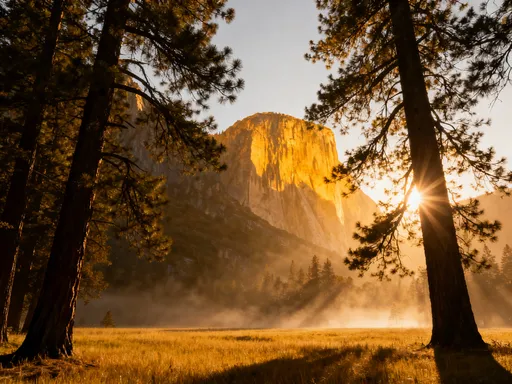
Tunnel View, perhaps the most famous overlook in the park, delivers a postcard-perfect panorama of Yosemite Valley. When the sun rises behind you, it casts long shadows across the valley floor, gradually illuminating El Capitan and then Bridalveil Fall. The interplay of light and shadow creates depth and drama, making it a favorite among photographers. A tripod, a wide-angle lens, and a willingness to wake before dawn are all you need to capture this moment. The air is crisp, the silence profound, and the payoff—a photograph that feels alive.
Glacier Point, perched 3,200 feet above the valley, offers a different kind of sunrise. From this elevated perch, you look down on the entire expanse of Yosemite, with Half Dome catching the first rays. On clear mornings, the valley below is often filled with a soft sea of fog, giving the illusion that the cliffs are floating in the sky. This ethereal scene is fleeting, lasting only 20 to 30 minutes, which makes timing critical. The road to Glacier Point is open seasonally, typically from late May through October, depending on snow levels, so checking current conditions is essential.
For those venturing into the high country, Olmsted Point in Tuolumne Meadows provides a more secluded sunrise experience. Facing east, it offers unobstructed views of the Cathedral Range. What makes this spot special is the reflection of dawn light on the smooth granite domes, their surfaces polished by ancient glaciers. The lack of crowds here adds to the sense of discovery. A wide-brimmed hat, warm layers, and a thermos of coffee can make the early wake-up call feel like a luxury rather than a chore.
Waking up early in Yosemite isn’t just about photography—it’s about connection. The park feels different in the morning: quieter, more intimate. Birds begin their songs, deer move through the meadows, and the air carries the scent of pine and damp earth. This is when Yosemite feels most alive, and most yours. By embracing the early hours, visitors gain not just images, but memories etched in light.
Hidden Valleys and Quiet Corners Off the Beaten Path
Away from the postcard vistas and crowded trails lies a quieter side of Yosemite—one that rewards those willing to explore beyond the well-trodden paths. Hetch Hetchy, a remote reservoir in the park’s northwest corner, is one such hidden gem. Fed by the glacial waters of the Tuolumne River, this serene valley is flanked by steep granite walls and dotted with stands of pine and cedar. Unlike the bustling Yosemite Valley, Hetch Hetchy offers solitude, making it ideal for hikers seeking peace and natural beauty without the crowds.
The trail to Wapama Falls, one of the area’s highlights, is a moderate 5-mile round trip that follows the reservoir’s edge. In spring and early summer, the falls thunder with runoff, sending sprays of mist into the air. The sound of rushing water, the scent of wet stone, and the sight of sunlight glinting off the lake create a sensory experience that feels untouched by time. Along the way, interpretive signs tell the story of the valley’s controversial damming in the early 20th century, adding a layer of historical depth to the journey.
Another quiet retreat is Merced Grove, one of three giant sequoia groves in the park. Tucked along the Big Oak Flat Road, this lesser-known grove requires a 1-mile hike downhill to reach, which naturally limits foot traffic. The path winds through a mixed forest before opening into a cathedral-like stand of ancient trees. Some of these sequoias are over 1,000 years old, their massive trunks rising like pillars into the canopy. The air here is cooler, hushed, and reverent. Visitors often speak in whispers, as if not to disturb the silence.
For families or those with limited mobility, the grove offers a manageable hike with immense emotional impact. The contrast between the delicate ferns at ground level and the towering trees above creates a sense of wonder. Picnic areas nearby allow for a quiet lunch surrounded by nature. By balancing visits to popular sites with time in these quieter corners, travelers gain a fuller understanding of Yosemite’s diversity. These hidden valleys remind us that beauty isn’t always loud—it can be found in stillness, in shadow, in the slow growth of centuries.
Alpine Highs: Exploring Tuolumne Meadows and Beyond
Rising above 8,600 feet, Tuolumne Meadows is a high-altitude paradise of rolling meadows, crystal-clear rivers, and rugged peaks. This vast subalpine plateau offers a stark contrast to the deep valleys below, with wide-open skies and a sense of boundless space. The meadows are fed by snowmelt from the surrounding mountains, creating a network of streams that wind through lush grasslands dotted with wildflowers in summer. Lupines, paintbrush, and alpine aster bloom in vibrant purples, reds, and yellows, attracting butterflies and hummingbirds.
The ecosystem here is fragile yet resilient. Plants grow slowly due to the short growing season, often lasting only 6 to 8 weeks. Wildlife thrives in this environment—mule deer graze at dawn, pikas scurry among the rocks, and golden eagles soar overhead. The Tuolumne River, one of the park’s major waterways, flows gently through the meadow, its waters cold and pure. Anglers come to fish for native trout, while hikers follow the Pacific Crest Trail, which runs directly through the area.
For day hikers, two destinations stand out: Cathedral Lakes and Lembert Dome. The trail to Lower Cathedral Lake is about 7 miles round trip, winding through pine forests and granite outcrops before opening to a stunning alpine lake with views of the Cathedral Range. The water is so clear it reflects the surrounding peaks like a mirror. Lembert Dome, shorter at 2.8 miles round trip, offers a steep but rewarding climb to a panoramic viewpoint. From the top, you can see the entire meadow, the distant peaks, and even the faint blue line of the Pacific Ocean on exceptionally clear days.
Because of the elevation, weather in Tuolumne Meadows can change rapidly. A sunny morning can turn into a thunderstorm by afternoon, so packing layers, rain gear, and extra food is essential. The park service recommends carrying a map and compass, as cell service is unreliable. Despite these challenges, the high country offers some of the most rewarding experiences in Yosemite. The air is thinner, the light brighter, and the sense of solitude profound. It’s a place where time slows, and nature takes center stage.
Waterfalls That Take Your Breath Away—And How to See Them All
Yosemite is home to some of the tallest and most powerful waterfalls in North America, each with its own character and rhythm. Yosemite Falls, at 2,425 feet, is the tallest in the United States and one of the most iconic. It flows strongest in late spring when snowmelt peaks, thundering down in three distinct sections: upper fall, middle cascades, and lower fall. By late summer, it often reduces to a trickle or even dries up completely, reminding visitors of the seasonal pulse of the Sierra.
Vernal and Nevada Falls, located along the Merced River, are accessed via the famous Mist Trail—one of the most popular hikes in the park. The trail lives up to its name, especially in spring and early summer, when the spray from Vernal Fall soaks hikers climbing the steep granite steps. Handrails are provided, but the path can be slippery, so sturdy footwear is a must. The reward is a front-row view of the 317-foot Vernal Fall, its water crashing into the pool below with incredible force. Continuing onward, Nevada Fall stands at 594 feet, its broad face spreading like a curtain of white.
For those seeking a less intense experience, the John Muir Trail offers a drier, higher-altitude alternative with equally stunning views. It switchbacks up the ridge, providing panoramic overlooks of both falls without the constant mist. This route is longer but gentler in gradient, making it suitable for families and less experienced hikers. Both trails converge at the top, where a snack bar and rest area offer a chance to catch your breath and take in the view.
Other notable falls include Sentinel Fall, Ribbon Fall—the tallest single-drop waterfall in North America—and Illilouette Fall, which is harder to access but visible from certain points on the Glacier Point Road. Each waterfall has its own best viewing time, usually tied to snowmelt patterns. The National Park Service provides a waterfall flow chart each year, helping visitors plan their visits. Safety is paramount near all waterfalls—slippery rocks, strong currents, and falling debris are real hazards. Staying on designated trails and viewing platforms ensures both safety and preservation of these natural wonders.
Night Skies and Silent Giants: Yosemite After Dark
As the sun sets and the cliffs fade into shadow, a new dimension of Yosemite emerges—one of silence, stars, and profound stillness. Light pollution is minimal in the park, making it one of the best places in California for stargazing. Glacier Point, Tunnel View, and Olmsted Point transform into prime viewing spots after dark, where the Milky Way stretches across the sky in a glowing arc. On moonless nights, thousands of stars become visible, along with planets, satellites, and occasional meteor showers.
The park’s ranger-led night programs enhance this experience, offering guided telescope viewings and astronomy talks. These events, held several times a month during summer, are designed for all ages and require no prior knowledge. Rangers explain constellations, share myths from Native American traditions, and point out celestial phenomena. For families, these programs are both educational and deeply moving—a chance to connect with the universe in a place of natural grandeur.
But it’s not just the stars that make Yosemite at night special. The absence of human noise reveals the subtle sounds of the wild: the rustle of leaves, the distant call of an owl, the creak of ancient trees in the wind. Standing beneath a giant sequoia at night, with the stars above and the earth below, creates a sense of awe that’s hard to put into words. It’s a reminder of how small we are, and how vast the world can be.
For those walking at night, safety is key. Using a red-filtered flashlight preserves night vision and minimizes disturbance to wildlife. Staying on marked paths and avoiding flash photography helps protect the natural darkness. Some lodges offer night walks with rangers, a perfect option for those unfamiliar with the terrain. Experiencing Yosemite after dark adds a layer of depth to any visit—transforming it from a visual journey into a spiritual one.
Planning Your Perfect Visit: Timing, Trails, and Takeaways
Planning a trip to Yosemite requires thoughtful consideration of season, schedule, and personal interests. Each time of year offers something unique. Spring, from April to June, brings peak waterfall flow, wildflowers, and moderate temperatures. It’s one of the most popular times to visit, so reservations for lodging and wilderness permits are essential. Summer, while warm and busy, offers full access to high-elevation areas like Tuolumne Meadows and Glacier Point. Fall, from September to November, sees fewer crowds, golden foliage, and crisp air—ideal for hiking and photography. Winter transforms the park into a snowy wonderland, with opportunities for snowshoeing, cross-country skiing, and quiet reflection.
When deciding which trails to prioritize, consider fitness level and time available. A one-day visit might focus on Yosemite Valley highlights, while a multi-day trip can include excursions to Hetch Hetchy, Tuolumne Meadows, or Glacier Point. The park’s shuttle system makes car-free exploration possible, reducing stress and environmental impact. For overnight stays, options range from historic lodges like The Ahwahnee to campgrounds and wilderness backcountry sites. Reservations for popular accommodations fill up months in advance, so early planning is crucial.
Transportation within the park is straightforward but requires awareness. Private vehicles are allowed, but parking is limited at major sites. The free shuttle buses run frequently and cover key areas, including Yosemite Village, Yosemite Falls, and Mirror Lake. For those arriving from outside the park, Amtrak and YARTS (Yosemite Area Regional Transportation System) provide bus connections from nearby cities. Once inside, walking and biking are excellent ways to explore the valley floor.
Ultimately, Yosemite is more than a destination—it’s an experience that lingers long after the journey ends. It’s the feeling of standing beneath a waterfall, the sight of dawn light on granite, the sound of silence under a star-filled sky. It’s a reminder of nature’s power, beauty, and permanence. Whether you’re a first-time visitor or a returning traveler, Yosemite has a way of revealing something new each time. By planning thoughtfully, venturing beyond the obvious, and staying open to wonder, you’ll discover not just the park’s hidden corners, but a deeper connection to the natural world.