You Gotta See What I Found in Varna – Art, Soul, and Hidden Culture
Stepping into Varna, Bulgaria, felt like flipping open a sketchbook left by centuries of artists and dreamers. I didn’t expect a seaside city to pulse with so much culture—from open-air murals to ancient mosaics tucked in quiet corners. This isn’t just a beach getaway; it’s a living gallery. If you’re chasing authentic moments where art meets everyday life, Varna quietly delivers. Let me show you why.
First Impressions: A Coastal City with an Artist’s Heart
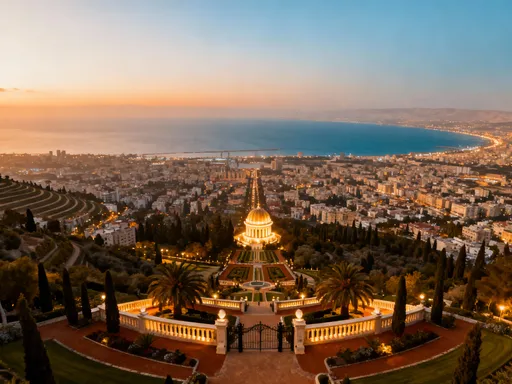
Arriving in Varna by train or car, the first thing you notice is the way sunlight dances across the Black Sea, casting shimmering reflections on the facades of pastel-colored buildings. The city greets visitors with a gentle rhythm—neither rushed nor sleepy, but balanced, like a well-composed melody. Unlike other coastal resorts that trade character for convenience, Varna preserves its soul. Its streets breathe history, yet they are alive with modern creativity. The blend of neoclassical architecture and contemporary street art creates a visual dialogue between eras, inviting travelers to look beyond the postcard-perfect beaches.
What sets Varna apart in the Balkan cultural landscape is its dual identity: a port city shaped by trade and migration, and a longtime center for music, literature, and visual arts. For centuries, merchants, sailors, and scholars passed through, leaving traces in the city’s eclectic design and open-minded spirit. Today, that legacy lives on in the ease with which old and new coexist. You’ll find 19th-century villas standing beside sleek cultural centers, and Orthodox churches nestled near indie bookshops. The air carries the scent of salt and fresh bread, mingling with the faint aroma of paint from nearby studios.
Walking through the central districts, one senses a quiet pride in craftsmanship and beauty. Public spaces are thoughtfully maintained, not for show, but as a natural expression of civic care. The Sea Garden, a sprawling waterfront park, exemplifies this balance—designed in the early 20th century, it remains a place where families stroll, musicians play, and artists sketch. There’s no forced charm here; Varna’s appeal is in its authenticity, a city that doesn’t perform for tourists but simply lives its culture every day.
The Old Town Vibe: Where History Paints the Streets
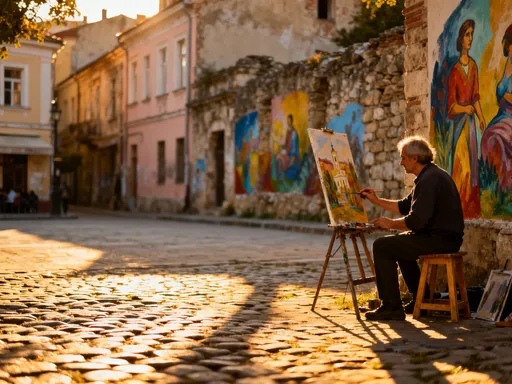
Varna’s Old Town is not a museum piece frozen in time, but a living, breathing neighborhood where history and daily life intertwine. Cobblestone lanes wind gently uphill, lined with houses painted in soft ochre, sage green, and faded rose. Shutters are often left open, revealing glimpses of flower-filled balconies and hand-carved woodwork. It’s the kind of place where you can lose yourself without getting lost—each turn offering a new detail: a wrought-iron gate shaped like grapevines, a centuries-old stone fountain still in use, or a small sign marking a family-run workshop.
At the heart of this historic district lie some of the city’s most treasured sites. The Roman Thermae, one of the best-preserved ancient bath complexes in the Balkans, rises impressively from the hillside. Built in the 2nd century AD, these grand ruins offer a tangible connection to Varna’s past as a major Roman settlement. Visitors can walk through the vaulted chambers, imagining the steam and conversation that once filled these halls. Nearby, the Varna Archaeological Museum houses an extraordinary collection, including the famous Varna Gold—the oldest processed gold in the world, dating back over 6,500 years. The artifacts speak of a people deeply attuned to beauty, ritual, and craftsmanship.
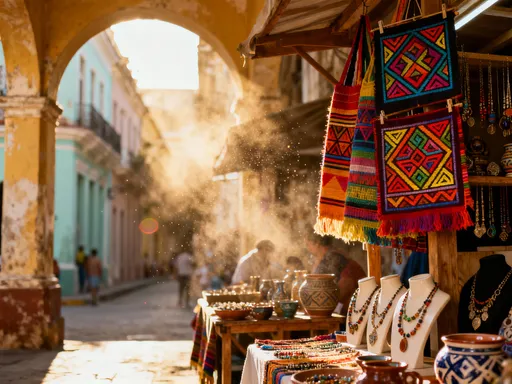
But the true magic of Old Town lies in its smaller, quieter spaces. Independent galleries display works by local painters, often inspired by the sea, folklore, or seasonal rhythms. Craft shops sell hand-thrown pottery, embroidered textiles, and wooden carvings—each piece bearing the mark of its maker. These are not souvenirs churned out for mass markets, but expressions of tradition passed through generations. Shopping here feels personal, often accompanied by conversation with the artisan, a cup of herbal tea, or a story about how a pattern was inherited from a grandmother.
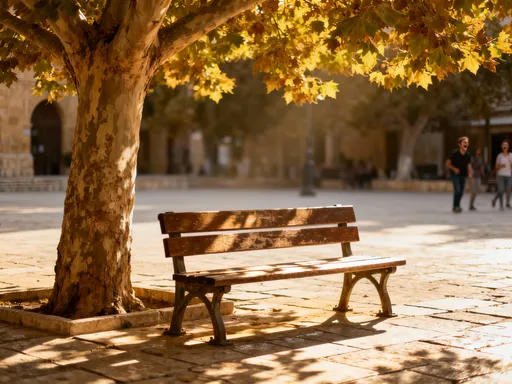
The pace in Old Town encourages slowness. There are no loud advertisements or crowded tour groups rushing from one site to the next. Instead, visitors are invited to linger—to sit on a bench beneath a plane tree, watch sunlight shift across a frescoed wall, or listen to the distant chime of church bells. It’s a rare kind of urban experience, one that respects both heritage and human scale. For women who cherish meaningful travel, who seek depth over dazzle, this part of Varna offers a quiet kind of nourishment.
Street Art That Speaks: Murals with Meaning
In recent years, Varna has embraced street art not as rebellion, but as a form of civic storytelling. Across neighborhoods like Mladost and Vladislav Varnenchik, once-ordinary walls have become canvases for powerful visual narratives. These are not random graffiti tags, but carefully composed murals that reflect Bulgarian identity, folklore, and social reflection. One large-scale piece depicts a woman weaving a tapestry that blends traditional embroidery patterns with constellations, symbolizing the connection between heritage and the cosmos. Another shows children holding hands with stylized animals from Thracian mythology, their outlines merging with the landscape.
What makes Varna’s street art scene remarkable is the city’s open embrace of it. Unlike places where urban art is erased or criminalized, here it is often commissioned, preserved, and celebrated. Local authorities and cultural organizations have supported initiatives that bring artists together to transform neglected spaces. Schools, community centers, and even residential buildings now feature murals that inspire pride and conversation. This acceptance reflects a broader cultural value—one that sees art not as decoration, but as a vital part of public life.
The themes in these murals often echo timeless Bulgarian traditions: the reverence for nature, the strength of women, the resilience of rural life. Some pieces subtly address contemporary issues—environmental awareness, the importance of education, or the value of intergenerational connection—without becoming didactic. Instead, they invite viewers to pause and reflect. A mural of an old woman tending a garden, her hands deep in the soil, becomes a quiet tribute to care, patience, and the cycles of life.
For visitors, walking through these neighborhoods becomes a kind of visual journey. There are no entry fees, no timed tickets—just the freedom to discover art in unexpected places. Children point at colorful figures, couples take photos, and locals nod with recognition. The art belongs to everyone. It’s a reminder that creativity thrives not only in galleries but in the fabric of everyday streets. In a world where so much feels commercialized, Varna’s murals offer something rare: authenticity with intention.
Galleries Beyond the Mainstream: Hidden Creative Spaces
While Varna has established cultural institutions, its true artistic pulse can be found in smaller, lesser-known venues. These hidden galleries and cultural hubs offer intimate encounters with contemporary Bulgarian art, often created by artists who live and work in the region. The Ruse-Varna Art Exchange, a real regional collaboration, exemplifies this spirit. It rotates exhibitions between the two cities, showcasing emerging painters, sculptors, and multimedia artists who explore themes of memory, identity, and transformation. The works on display are rarely flashy—they favor subtlety, texture, and emotional depth.
One such space, tucked behind a quiet courtyard near the city center, hosts pop-up exhibitions every few months. The current display features abstract canvases layered with natural pigments and fragments of old textiles, evoking the passage of time and the traces we leave behind. Another, located in a renovated schoolhouse, presents experimental photography that captures rural life in northeastern Bulgaria—quiet moments of farming, family gatherings, and seasonal rituals. These are not idealized images, but honest, poetic observations.
What makes these galleries special is their accessibility. Admission is often free or by small donation, and artists sometimes attend openings to discuss their work. Visitors are encouraged to ask questions, share impressions, or simply sit and absorb the atmosphere. There’s no pressure to perform cultural literacy—just an invitation to engage. For women who appreciate thoughtful expression, these spaces offer a deeper connection to the country’s creative soul.
These venues also reflect a growing movement across Bulgaria to decentralize art and make it more inclusive. Instead of concentrating everything in the capital, cities like Varna are cultivating their own artistic ecosystems. Workshops, artist residencies, and community projects allow locals to participate, not just observe. This democratization of culture ensures that art remains rooted in real life, not isolated in elite circles. For travelers, it means discovering perspectives that aren’t curated for foreign tastes, but emerge from genuine local experience.
Cultural Rhythms: Music, Festivals, and Local Life
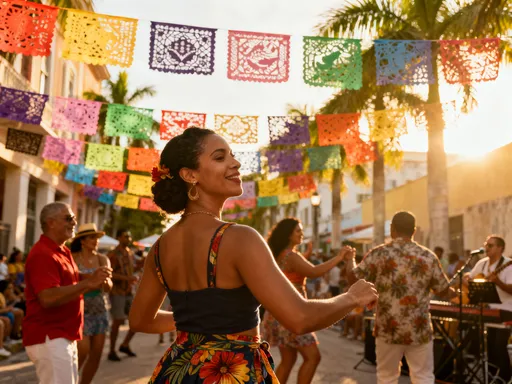
Varna’s cultural calendar is rich with events that bring people together, not as spectators, but as participants. The Varna Summer International Jazz Festival, held annually in the grand setting of the Opera House and open-air venues, draws musicians from across Europe and beyond. But it’s not a distant performance—locals fill the seats, picnic on the lawn, and stay late into the evening, swaying to the rhythms under the stars. The atmosphere is elegant yet relaxed, sophisticated without pretense.
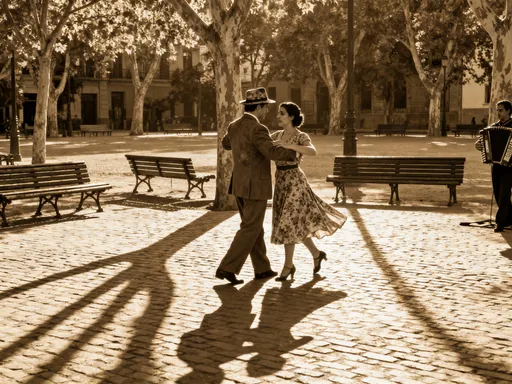
Equally enchanting are the free concerts in the Sea Garden, where brass bands, folk ensembles, and classical quartets perform on weekends during the warmer months. These gatherings are not tourist attractions but community traditions. Families spread blankets, grandparents nod along, and children dance without self-consciousness. The music ranges from traditional Rhodope melodies to modern interpretations of Bulgarian choral songs. It’s a living soundtrack to daily life, reminding visitors that culture here is not something preserved behind glass, but something practiced, shared, and renewed.
Seasonal festivals also play a vital role. The Varna Sea Festival celebrates the city’s maritime heritage with boat parades, seafood tastings, and craft markets. Meanwhile, smaller neighborhood events honor local saints, harvests, or historical milestones, often featuring traditional costumes, dancing, and communal meals. These gatherings are open to all, and visitors are welcomed as guests, not intruders. The emphasis is on connection—to place, to people, to tradition.
For women traveling with family or seeking meaningful solo experiences, these events offer a gentle way to engage with local life. There’s no need to speak the language fluently to feel included. A smile, a nod, a shared plate of grilled peppers and cheese is enough. The rhythm of these celebrations mirrors the pace of Varna itself—steady, warm, and deeply human.
Art You Can Taste: Craft Cafés and Cultural Hangouts
In Varna, culture isn’t confined to museums or concert halls—it spills into cafés, bookshops, and studios where art and daily life blend seamlessly. A growing number of locally owned coffee spots double as rotating art galleries, displaying paintings, photographs, or ceramic pieces by regional artists. One popular café near the Old Town features a new exhibition every six weeks, with opening nights that draw artists, writers, and regular patrons. The menu is simple—freshly ground coffee, homemade pastries, herbal teas—but the atmosphere is rich with conversation and creative energy.
Bookshops also serve as cultural anchors. A small independent store in the city center specializes in Bulgarian literature, art monographs, and children’s books with hand-illustrated covers. It hosts weekly readings and storytelling sessions, creating a space where language and imagination thrive. Nearby, a ceramic studio offers weekend workshops where visitors can try their hand at wheel-throwing or hand-building, guided by local artisans. The pieces made during these sessions are often fired and mailed home, becoming lasting mementos of creative connection.
These spaces reflect a broader lifestyle in Varna—one that values slowness, craftsmanship, and human connection. There’s a deep appreciation for things made by hand, for moments of quiet reflection, for beauty in the ordinary. A cup of coffee is not just a drink, but an experience; a book is not just an object, but a doorway. For women who seek travel that nurtures the spirit, these cultural hangouts offer a gentle kind of luxury—one measured not in price, but in presence.
What stands out is how naturally these experiences unfold. There’s no marketing hype, no influencer-driven trends. These cafés and studios exist because people love them, support them, and return to them. They are not designed for Instagram, but for life. And in that authenticity lies their greatest appeal.
Why Varna Works: Balancing Beauty, Culture, and Ease
Varna’s quiet brilliance lies in its balance. It offers rich cultural experiences without the crowds of more famous European cities. You can wander through ancient ruins, stand before a powerful mural, sip coffee in a book-filled café, and still have time to sit by the sea and watch the waves. There’s a sense of space—both physical and emotional—that allows visitors to breathe, to absorb, to be present. For women who travel not to check boxes, but to feel and understand, this is a rare gift.
The city’s accessibility enhances its appeal. Public transportation is reliable and affordable, with buses and trolleys connecting key areas. The compact center is easily explored on foot, and bike rentals are available for those who want to trace the coastline. Accommodations range from family-run guesthouses to seaside hotels, many with balconies facing the water. The cost of living remains moderate, making it possible to enjoy high-quality food, art, and experiences without strain.
Timing your visit can deepen the experience. Late spring and early autumn offer mild weather and fewer tourists, ideal for exploring museums, attending smaller events, and enjoying outdoor concerts. Summer brings the full energy of the festival season, while winter reveals a quieter, more introspective side of the city—perfect for gallery visits, cozy cafés, and meaningful conversations with locals.
What makes Varna truly special is not any single monument or event, but the way culture is woven into the everyday. It’s in the way a baker arranges bread in the window like a still-life painting, in the care taken to restore an old doorframe, in the respect shown to both history and innovation. This is a city that honors its past without being trapped by it, and embraces the new without losing its soul.
If you’re looking for a destination that offers beauty, depth, and warmth—not in grand gestures, but in quiet details—Varna deserves your attention. Come with curiosity. Walk slowly. Listen. Look closely. Let the city reveal itself, not as a performance, but as a living, breathing work of art. And when you leave, you may find, as I did, that a piece of Varna stays with you—not as a memory of what you saw, but as a feeling of what you felt.