You Won’t Believe What I Found in Panama City’s Hidden Markets
Panama City isn’t just skyscrapers and finance—it’s alive with color, rhythm, and local soul. I spent two weeks slowing down, wandering neighborhoods like Casco Viejo, and discovering a side of Panama most tourists miss. Forget malls—real shopping here means handmade molas, street vendors with coffee magic, and corners where time moves differently. This is slow travel at its finest: authentic, sensory, and deeply personal. Let me take you through the finds that changed how I see the city.
Reimagining Panama City: Beyond the Skyline
When most people think of Panama City, they picture a glittering skyline of glass towers rising above the Pacific coast. The financial district pulses with energy, a symbol of modern economic growth in Central America. But just a short walk—or a quiet drive—away lies another world entirely. A world where cobblestone streets echo with centuries of history, where the scent of jasmine drifts from hidden courtyards, and where daily life unfolds not behind screens, but in open-air markets, family-run cafés, and hand-painted storefronts. This is the side of Panama City that rewards curiosity and patience.
Shifting from conventional tourism to slow travel means letting go of the checklist. Instead of racing to tick off landmarks, the goal becomes immersion. It’s about noticing how sunlight filters through wooden shutters in the late afternoon, how laughter spills from a courtyard during a local celebration, or how an elderly vendor arranges mangoes just so. These moments don’t fit neatly into a guidebook, but they shape a deeper understanding of place. In Panama City, this shift is not just possible—it’s essential to truly know the heart of the capital.
Walking becomes the most powerful tool for discovery. There’s no better way to absorb the rhythm of a neighborhood than moving through it on foot. Each step reveals new textures: the cool shadow of an old church wall, the warmth of sun-baked stone, the sudden coolness of a breeze off the bay. In these unhurried moments, the city reveals itself not as a destination, but as a living, breathing community. And in that awareness, shopping transforms from transaction to connection—every purchase tied to a face, a story, a shared smile.
Casco Viejo: Where Time Slows and Style Speaks
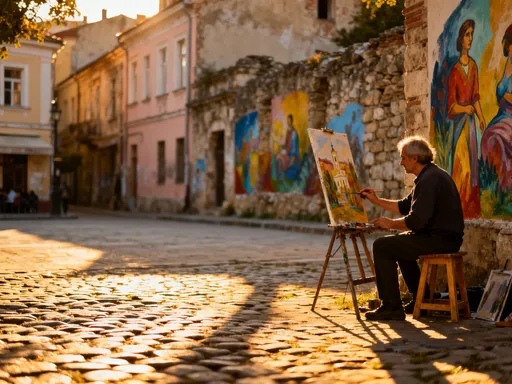
No place embodies this transformation more than Casco Viejo, the historic heart of Panama City. Once a fading district of colonial ruins and abandoned buildings, Casco has been carefully restored over the past two decades into a vibrant cultural hub. But unlike sanitized tourist zones elsewhere, Casco retains its authenticity. Restoration here hasn’t erased history—it’s honored it. Pastel-colored buildings with wrought-iron balconies stand beside modern galleries, their facades telling stories of earthquakes, fires, and rebirth. This blend of old and new creates a unique atmosphere where design, tradition, and everyday life coexist.
Wandering through its narrow streets, one discovers a thriving network of independent boutiques and artisan studios. These are not chain stores or souvenir shops, but intimate spaces where creators showcase their work. A converted colonial house might now house a ceramicist shaping delicate jewelry from local clay. A corner storefront could display handwoven bags made from recycled textiles, each pattern inspired by indigenous motifs. These pieces carry more than aesthetic value—they reflect a commitment to craftsmanship, sustainability, and cultural continuity.
What makes Casco’s shopping scene so special is the sense of community behind it. Many of these businesses are run by Panamanian artists and designers who choose to invest in their city. They collaborate with local tailors, weavers, and potters, ensuring that the creative economy benefits more than just a few. Some studios even offer workshops, inviting visitors to try their hand at embroidery or natural dyeing. These experiences deepen appreciation for the work involved and foster a genuine connection between maker and buyer.
The architecture itself enhances the experience. Stepping into a courtyard shaded by banana trees, one might find a pop-up market featuring handmade soaps infused with native botanicals or small-batch chocolate made from Panamanian cacao. These spaces feel intimate, almost private, as if one has been invited into a hidden corner of the city. It’s shopping as ritual, not rush—a chance to pause, observe, and engage with care.
Authentic Encounters at Local Markets
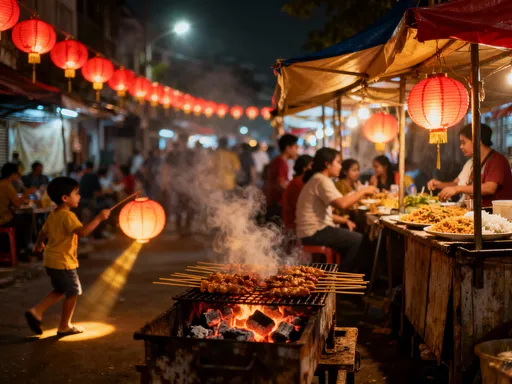
While Casco Viejo offers curated artistry, the city’s true pulse beats strongest in its local markets. Chief among them is the Mercado de Mariscos, a bustling waterfront hub where fishermen unload their morning catch and families gather for fresh ceviche. But beyond the seafood counters lie rows of smaller stalls—less polished, less photographed, and far more revealing. Here, shopping is not a performance for tourists. It’s part of daily life, shaped by necessity, tradition, and personal relationships.
To shop here is to participate. Vendors greet regulars by name, wrap purchases in banana leaves, and offer samples with a smile. Tourists who approach with respect are welcomed, not exploited. Bargaining is common, but it’s not aggressive—it’s a dance of mutual understanding. A simple “¿Cuánto cuesta?” followed by a polite smile often leads to a warm explanation of prices and origins. This is commerce rooted in dignity, not desperation.
One of the most surprising discoveries was the presence of authentic Panama hats. Yes, despite the name, these finely woven toquilla straw hats originate in Ecuador, but Panama has long been their global ambassador. In local markets, however, one finds versions made by Panamanian artisans, often embellished with native patterns or dyed with plant-based colors. Unlike mass-produced versions sold at airports, these pieces reflect individual skill and regional pride.
Coffee, too, tells a story. Panama is renowned for its high-altitude Geisha beans, some of the most sought-after in the world. But beyond the luxury auctions, everyday Panamanians cherish their coffee culture. Street vendors brew strong, dark cups in small aluminum pots, serving them in paper cups with a pinch of sugar. Buying a bag from a local roaster means supporting small farms in the highlands, where families have cultivated coffee for generations. Each sip carries the terroir of volcanic soil and mountain mist.
Equally compelling are the handmade soaps and botanical products sold by women’s cooperatives. Infused with coconut, aloe vera, or wild herbs from the Darién region, these items are crafted with care and sold with pride. Many vendors share how their recipes have been passed down through generations, turning hygiene into heritage. To buy one is not just to acquire a product, but to honor a legacy.
The Art of Handmade: Molas, Masks, and Cultural Craft
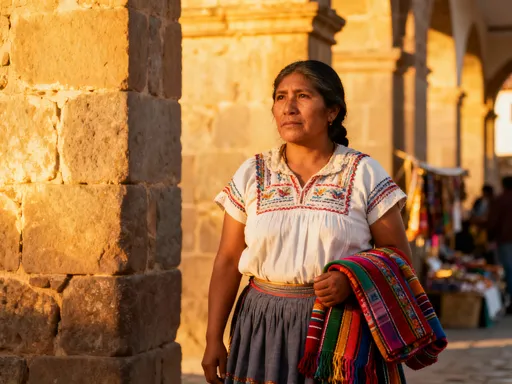
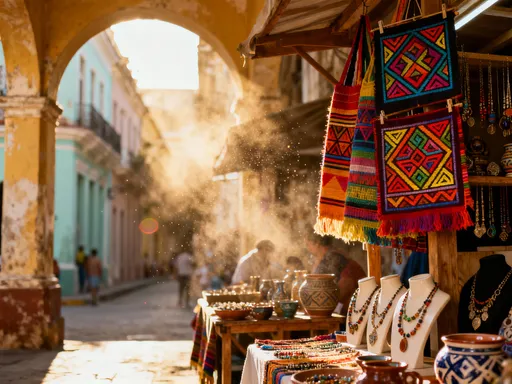
Among the most profound experiences was learning about the Guna people and their iconic molas. These intricate textile panels, traditionally made by Guna women, are more than decorative—they are visual narratives. Each mola is hand-stitched using a reverse-appliqué technique, layering colorful cotton fabrics to create complex geometric or natural designs. Patterns may depict animals, ancestral myths, or spiritual symbols, serving as both art and cultural record.
Visiting a fair-trade cooperative in the city allowed for a deeper understanding of this tradition. Unlike shops that sell mass-produced imitations, this collective works directly with Guna artisans from the San Blas Islands. Profits go back to the communities, supporting education, healthcare, and cultural preservation. The women who create these pieces are not anonymous laborers—they are named, respected, and celebrated. Their work is priced fairly, reflecting the hours of meticulous stitching each mola requires.
Seeing a mola up close is to witness patience made visible. A single piece can take weeks to complete, with tiny stitches so fine they’re nearly invisible. Some depict the double-headed serpent, a symbol of duality and balance; others show tropical birds in flight, rendered in bold, contrasting colors. To own one is to carry a piece of living heritage—one that resists cultural appropriation by ensuring authenticity and equity.
Other crafts tell equally rich stories. Hand-carved masks, used in traditional festivals, reflect the blending of indigenous, African, and Spanish influences in Panamanian culture. Made from native woods and painted with natural pigments, these masks are not meant for walls—they are made to be worn, danced in, and passed down. Similarly, woven baskets from Emberá communities use fibers from the iraca palm, dyed with roots and leaves to create earth-toned patterns. Each item is functional, beautiful, and deeply rooted in ancestral knowledge.
Choosing authentic crafts over generic souvenirs is an act of ethical travel. It rejects the commodification of culture and instead supports self-determination. When we buy directly from artisans or fair-trade organizations, we help sustain traditions that might otherwise fade. More than that, we acknowledge the value of indigenous knowledge and the right of communities to control their own narratives.
Slow Shopping, Deep Connections
The most unexpected rewards of this journey weren’t the items I brought home, but the connections I made along the way. Time and again, pausing to ask questions led to moments of genuine warmth. A vendor selling hand-embroidered blouses invited me to her home studio, where her daughters were learning the craft. A chocolatier offered a tasting paired with stories of cacao’s sacred role in pre-Columbian cultures. These exchanges transformed shopping from consumption into conversation.
One afternoon, while browsing a small tailor’s shop in Casco, I admired a linen dress with hand-stitched details. The tailor, Doña Rosa, noticed my interest and offered a custom fitting. Over the next two days, we discussed fabric choices, sleeve length, and hemlines—not as customer and seller, but as women sharing ideas about beauty and comfort. When I returned to collect the dress, she presented it with a sprig of gardenia tucked into the folds. That small gesture turned a garment into a memory.
These interactions are the heart of mindful travel. They remind us that every product has a human origin. The coffee I drink each morning came from a family’s harvest. The soap I use was mixed by hand in a small kitchen. The bag I carry was woven by someone who learned the craft from her grandmother. Recognizing these links fosters gratitude and responsibility. It shifts our mindset from “What can I take?” to “How can I honor this?”
Such moments also challenge the fast-paced consumerism we often bring from home. In a world of instant delivery and disposable fashion, Panama City’s markets teach the value of waiting, of choosing carefully, of valuing longevity over novelty. The items I purchased weren’t impulse buys—they were thoughtful decisions, made after conversations, reflections, and sometimes, quiet deliberation. And because of that, they carry emotional weight far beyond their material worth.
Practical Tips for a Mindful Shopping Journey
For travelers seeking similar experiences, a few practical considerations can enhance both enjoyment and respect. First, timing matters. Markets like Mercado de Mariscos are liveliest in the early morning, when fishermen arrive and vendors arrange their freshest goods. Mid-week visits often mean fewer crowds and more opportunity to engage with locals. Arriving too late in the day may mean missing out on the best selections or the most animated atmosphere.
Cash is still king in many of these spaces. While some vendors now accept mobile payments, having small bills in Panamanian balboas or U.S. dollars (both are accepted) ensures smooth transactions. A reusable cloth bag is also essential—plastic is common, but bringing your own shows respect for the environment and the culture’s growing sustainability efforts.
Language can be a bridge, not a barrier. While many vendors in tourist-adjacent areas speak some English, learning a few basic Spanish phrases goes a long way. “Buenos días,” “¿Cuánto cuesta?”, “Gracias, es muy bonito” — simple words offered with a smile open doors. Even mispronunciations are met with kindness when the intent is genuine. For deeper engagement, consider carrying a small phrasebook or using a translation app discreetly—never to bypass conversation, but to enhance it.
To avoid over-touristed spots while still enjoying accessibility and safety, focus on neighborhoods just beyond the main plazas. Areas like San Felipe, Pueblo Nuevo, or parts of Parque Lefevre offer authentic market experiences with fewer crowds. These places are well-connected by public transit and safe for respectful visitors. The key is to move with awareness—dressing modestly, asking before taking photos, and always greeting people before engaging.
Finally, approach shopping as exploration, not conquest. There’s no need to buy something at every stop. Sometimes, the richest experience is simply watching, listening, and absorbing. A conversation with a vendor, a shared laugh over a language mix-up, or the quiet observation of daily routines—these are the moments that stay with you long after the trip ends.
Why This Kind of Travel Changes You
Looking back, I realize that my time in Panama City didn’t just change how I shop—it changed how I travel, and how I see the world. Slowing down allowed me to notice details I would have otherwise missed: the way a grandmother teaches her granddaughter to weave, the pride in a farmer’s voice when describing his coffee beans, the quiet dignity of an artisan who signs her work with a tiny initial in one corner.
This shift has ripple effects. Back home, I find myself choosing products more thoughtfully, asking where they come from, who made them, and under what conditions. I support local makers, seek out fair-trade labels, and avoid fast fashion. These habits didn’t come from guilt, but from gratitude—for the people I met, the stories I heard, and the beauty I witnessed.
More profoundly, this kind of travel fosters cultural respect. It moves us beyond stereotypes and postcard images, revealing the complexity and dignity of everyday life. It reminds us that communities are not attractions, but living, evolving entities with their own values, rhythms, and dreams. When we engage with humility and openness, we don’t just take memories—we leave behind mutual respect.
Panama City, with its layered history and vibrant present, taught me that travel is not about accumulation, but about connection. It’s not about how many places you see, but how deeply you see them. And in its hidden markets, under the shade of a mango tree or in the quiet corner of a courtyard studio, I found something rare: a sense of belonging, not because I was from there, but because I was welcomed—just as I was, with curiosity, respect, and an open heart.