This Sokcho Food Trip Blew My Mind – You Gotta Taste This Coast
Sokcho isn’t just mountains and sea—it’s a flavor explosion waiting to happen. I went for the views but stayed for the food, honestly. From sizzling grilled fish to steaming bowls of sundubu-jjigae by the harbor, every bite felt like a secret I didn’t know I needed. Street stalls, local markets, hidden seaside spots—this city eats different. If you're chasing real Korean flavors off the beaten path, let me tell you why Sokcho’s dining scene is absolutely unmissable.
Why Sokcho? More Than Just a Gateway to Seoraksan
Sokcho is often seen as a transit stop for hikers heading to Seoraksan National Park, but those who linger soon discover a city rich in coastal soul and culinary character. Nestled where the Taebaek Mountains meet the East Sea, Sokcho enjoys a rare geographic blessing—access to both pristine mountain ingredients and an abundance of fresh seafood. This dual influence shapes a cuisine that is deeply rooted in nature, seasonality, and tradition. Unlike the polished dining experiences of Seoul or Busan, Sokcho offers something quieter, more intimate: meals prepared with care by families who’ve lived here for generations.
The city’s food culture thrives on authenticity. You won’t find many flashy restaurants catering solely to tourists; instead, most eateries serve locals first, meaning the flavors are honest and unaltered. The proximity to the sea ensures that fish markets overflow with pollock, squid, octopus, and crab pulled straight from cold, clean waters. Meanwhile, the surrounding hills provide wild herbs like deodeok (mountain bellflower root) and various namul (seasoned vegetables), which appear in nearly every meal as side dishes. These natural resources, combined with a slower pace of life, create a dining rhythm that feels nourishing in both body and spirit.
What makes Sokcho especially compelling is how seamlessly food integrates into daily life. Breakfast might be a simple bowl of rice with fermented side dishes at a neighborhood gukbap shop. Lunch could be a shared platter of grilled mackerel at a harbor stall. Dinner often unfolds slowly, with multiple small plates and a bottle of soju passed around among friends. There’s no rush, no pretense—just good food shared in good company. For travelers seeking a deeper connection to Korean culture, Sokcho offers a rare window into the heart of the country’s culinary traditions.
The Heartbeat of the City: Sokcho Central Market’s Food Alley
If there’s one place where Sokcho’s food soul beats the loudest, it’s the Central Market. Tucked away from the main tourist paths, this bustling indoor-outdoor complex hums with energy from early morning until late afternoon. Locals weave through narrow aisles carrying reusable bags, stopping to sample kimchi from glass jars or sniff at trays of salted seafood. The market’s food alley is a sensory symphony—crackling griddles, bubbling pots, the tang of fermentation, and the briny scent of the sea all blend into a rhythm that feels timeless.
One of the first things you’ll notice is the vibrant display of jeotgal, Korea’s beloved fermented seafood. Rows of clear containers hold everything from tiny shrimp to spicy green peppers packed with salted anchovies. These umami-rich condiments are staples in Korean households, and in Sokcho, they’re made with local catches. Vendors proudly explain their family recipes, some passed down for decades. For the curious traveler, a small sample spoon offered with a smile can open a whole new world of flavor.
But the real stars of the market are the ready-to-eat dishes. At a corner stall tucked between a dried fish vendor and a pickle stand, an elderly woman flips golden memil jeon—buckwheat pancakes—on a hot griddle. The batter, made from locally grown buckwheat, sizzles as she adds scallions and bits of zucchini. Served with a soy-vinegar dip, the pancakes are crisp on the edges, tender inside, and deeply satisfying. Nearby, another vendor stirs a bubbling pot of tteokbokki, the iconic spicy rice cakes dyed red with gochujang. The aroma alone draws a line of customers, young and old, waiting patiently for their turn.
For the adventurous, a must-try is ojingeo-jeot, a pungent but addictive dish of spicy marinated squid. It’s not for the faint of heart—its bold, fermented kick lingers on the tongue—but many locals swear by its health benefits and depth of flavor. Paired with a shot of soju or a bowl of warm rice, it becomes a humble yet powerful expression of coastal living. What makes the Central Market so special isn’t just the food—it’s the warmth of the people behind the counters, the pride in their craft, and the way they welcome visitors into their daily rhythm.
Harbor Nights: Where Seafood Comes Alive
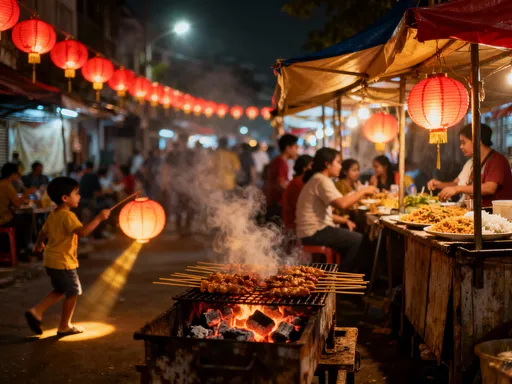
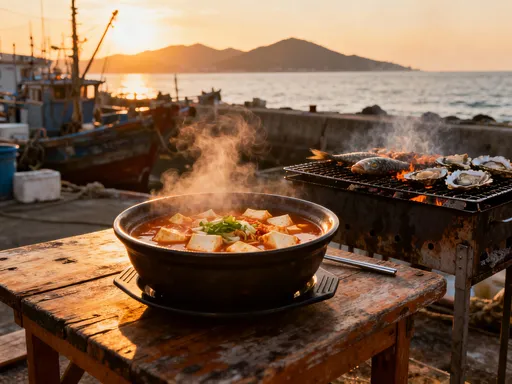
As the sun dips below the horizon, Sokcho Harbor transforms into a glowing stage for one of Korea’s most beloved rituals: the seafood feast. Strings of lanterns illuminate rows of open-air restaurants and grills, where smoke curls into the evening air and laughter echoes across the water. This is where the day’s catch becomes dinner, grilled over charcoal and served with minimal fuss but maximum flavor. The atmosphere is lively yet relaxed—a perfect blend of celebration and comfort.
Dongmyeong Port, in particular, is known for its concentration of seafood restaurants. Many are simple, no-frills spaces with plastic stools and metal tables, but that only adds to their charm. The menu rarely needs printing; instead, the chef points to trays of live crab, glistening mussels, and whole fish laid out on ice. Once you make your choice, the preparation begins immediately. A whole anglerfish might be sliced and tossed into a sizzling hot stone pot to become dajeon, a rich seafood pancake studded with squid, shrimp, and scallions. Or a plump octopus could be chopped and grilled right before your eyes, its tentacles curling and crisping at the edges.
One of the most iconic dishes here is grilled mackerel, a staple of coastal Korean cuisine. The fish is scored deeply to allow seasoning to penetrate, then brushed with a light marinade and cooked over high heat. The result is flaky, smoky flesh with a slightly charred skin that crackles when you bite into it. It’s often served with a side of fresh perilla leaves, garlic, and ssamjang—a spicy fermented soybean paste—so you can wrap each bite in a leaf for a burst of herbal freshness.
And no harbor meal is complete without soju. Locals sip it slowly, often mixed with beer in a combo known as maekju. It’s not about getting drunk; it’s about savoring the moment, sharing stories, and letting the rhythm of the sea set the pace. As boats bob gently in the marina and the city lights shimmer on the water, you begin to understand that dining in Sokcho isn’t just about eating—it’s about connection, community, and the simple joy of being present.
Hidden Gems: Off-the-Beaten-Path Eateries Only Locals Know
Beyond the market and harbor, Sokcho’s true culinary treasures are often found in quiet corners—unmarked doors, narrow alleys, and residential streets where tourists rarely wander. These are the spots that don’t appear on food blogs or travel guides, yet they draw loyal crowds every day. One such place is a tiny naengmyeon shop near a quiet park, run by a husband-and-wife team who’ve been making cold buckwheat noodles for over thirty years. The shop opens at 10 a.m. and often sells out by 2 p.m., a testament to its reputation.
Their naengmyeon is a revelation. The noodles are hand-pulled, giving them a firm, chewy texture that machines can’t replicate. They’re served in a chilled broth made from beef and dongchimi (fermented radish water), with a slice of pear, a boiled egg, and a dollop of mustard sauce on the side. On a warm summer day, it’s the most refreshing meal imaginable—clean, tangy, and deeply satisfying. The owners rarely speak, but their care shows in every detail, from the perfectly chilled bowls to the extra helping of ice they add without being asked.
Another hidden favorite is a morning-only gukbap stall by the fishing docks. Open from 6 to 10 a.m., it serves a simple pork bone soup with rice, known for its milky-white broth that simmers overnight. The soup is rich but not heavy, with tender meat and a hint of garlic and ginger. Regulars line up before sunrise, many still in work clothes, stopping by after a night shift or before heading out to sea. The owner, a grizzled man in his sixties, greets each customer by name, sliding bowls across the counter with practiced ease.
Finding these places requires curiosity and a willingness to wander. But the reward is more than just a good meal—it’s the feeling of being let in on a secret, of experiencing Sokcho as it truly is. These unassuming spots remind us that the best food often comes without fanfare, served by people who cook not for fame, but because they love what they do.
From Mountain to Table: How Nature Fuels Sokcho’s Cuisine
Sokcho’s food identity is inseparable from its landscape. The city sits at the edge of the Taebaek Mountains, where cool temperatures and clean air create ideal conditions for foraging wild edibles. In spring, locals head into the hills to gather deodeok, a knobby root with a crisp texture and slightly bitter taste, often blanched and served with a spicy dipping sauce. In summer, forests yield fiddlehead ferns and wild mushrooms, while autumn brings an abundance of nuts and berries. These ingredients appear in banchan, soups, and even teas, connecting each meal to the changing seasons.
The sea plays an equally vital role. The East Sea’s cold, nutrient-rich currents support a diverse marine ecosystem, making Sokcho a prime location for high-quality seafood. Snow crab, known locally as daege, is a winter delicacy, prized for its sweet, delicate meat. It’s often served raw with a touch of soy sauce and vinegar, allowing the natural flavor to shine. Similarly, pollock—especially when frozen and rehydrated in a process called hwangtae—becomes a key ingredient in hearty stews that warm the body during cold mountain winters.
Seasonality is not just a trend here; it’s a way of life. In winter, you’ll find dongtae guk, a soup made from frozen cod, simmered for hours with radish and chili. In summer, meals lighten up with fresh salads, cold noodles, and raw seafood. This deep respect for nature’s cycles ensures that ingredients are always at their peak, resulting in dishes that taste as they should—pure, balanced, and deeply nourishing.
Even the city’s fermentation practices are shaped by the environment. The cool mountain air slows down the fermentation of kimchi and jeotgal, allowing complex flavors to develop over time. Many families still pack their kimchi into large onggi jars and store them outside during winter, letting the natural cold act as a refrigerator. These traditions, passed down through generations, are not just about preservation—they’re about patience, care, and a deep understanding of how food and nature are intertwined.
A Day in the Life: A Realistic Food-Centric Itinerary
For travelers who want to experience Sokcho’s food culture in a single day, a well-paced itinerary can make all the difference. Start early with breakfast at a local bakery, where you’ll find soboro-ppang, a sweet bun with a crumbly cookie topping, perfect with a warm cup of coffee. These bakeries are modest but beloved, often run by women who’ve perfected their recipes over decades. Arrive before 8 a.m. to avoid the morning rush.
By 9:30, head to Sokcho Central Market. Spend an hour exploring the food stalls, sampling tteokbokki, memil jeon, and fresh oysters. Lunch should be a shared platter of grilled fish or a steaming bowl of sundubu-jjigae at one of the market’s sit-down spots. Keep your budget in mind—most meals here cost under $10, making it one of the most affordable gourmet experiences in Korea.
In the afternoon, take a short walk to Soyang Lake and stop at a café with panoramic views. Try a bowl of yuzu bingsu, a shaved ice dessert layered with citrus curd, condensed milk, and chewy rice cakes. It’s refreshing and not overly sweet, ideal after a morning of savory flavors. Spend an hour relaxing by the water, watching boats drift across the lake.
As evening approaches, make your way to Dongmyeong Port. Arrive by 6 p.m. to secure a good seat at a harbor restaurant. Order a whole grilled fish or a seafood pancake, and don’t skip the side of jeotgal. Pair your meal with a bottle of soju or a glass of makgeolli, a milky rice wine. After dinner, take a leisurely stroll along the breakwater, where street vendors sell roasted sweet potatoes and warm tteokbokki in paper cups.
For a late-night snack, seek out a 24-hour gimbap shop and try chamchi-gimbap, a tuna roll made with a spicy red curry sauce. It’s filling, flavorful, and the perfect end to a long day of eating. With comfortable walking shoes and an open mind, this itinerary offers a balanced, authentic taste of Sokcho’s culinary soul.
Beyond the Plate: Culture, Connection, and the Joy of Eating Local
In Sokcho, food is more than sustenance—it’s a language of care, tradition, and belonging. Every meal tells a story: of fishermen rising before dawn, of grandmothers stirring pots with wooden spoons, of families gathering around low tables to share what the land and sea have provided. There’s a quiet pride in how food is prepared and served, a sense that this is not performance, but life as it’s meant to be lived.
What stands out most is the warmth of the people. Vendors offer samples with genuine curiosity, eager to see your reaction. Restaurant owners remember your order if you return. Strangers at shared tables might pass you an extra side dish or recommend a dish you’ve never heard of. These small gestures create a sense of inclusion, making visitors feel less like outsiders and more like guests.
Sokcho doesn’t rely on spectacle to impress. There are no celebrity chefs, no Michelin stars, no viral food trends. Instead, its power lies in simplicity, honesty, and a deep connection to place. To eat here is to participate in a tradition that values seasonality, craftsmanship, and community. It’s a reminder that the most meaningful meals are often the quietest—the ones shared without pretense, flavored by time, and rooted in the rhythms of nature.
For women in their thirties to fifties, many of whom have spent years preparing meals for others, Sokcho offers a rare chance to be nourished in return. It’s a place where you can slow down, savor each bite, and reconnect with the joy of eating well. Whether you’re traveling solo, with a partner, or with friends, the city welcomes you with open arms and a full table.
Sokcho doesn’t shout about its food—it lets the taste do the talking. Every meal here feels like a quiet revelation, rooted in nature and nurtured by community. For anyone craving Korean cuisine that’s real, raw, and deeply satisfying, this coastal gem delivers beyond expectation. Pack your appetite and go.