Lost in Translation: What No One Tells You About Mendoza’s Cultural Scene
You know that feeling when you show up somewhere expecting pure magic, only to realize you’ve totally misread the vibe? Yeah, that was me in Mendoza. I went for the wine, obviously—but stayed for the culture. Or at least, I tried to. Turns out, diving into local traditions isn’t just about showing up. There are so many subtle missteps that can leave you feeling more lost than inspired. The truth is, Mendoza offers far more than sun-drenched vineyards and world-class Malbec. It pulses with music, pride, and a rhythm of life that rewards those who slow down and listen. But to truly connect, you must move beyond the brochure and embrace the quiet details—the unspoken rules, the pauses between words, the moments when culture speaks not in slogans, but in gestures.
First Impressions: Sun, Malbec, and a Side of Misunderstanding
Mendoza unfolds like a dream at first glance—rolling hills carpeted with vines, snow-capped Andes framing the horizon, and a golden light that lingers long into the evening. The city’s plazas hum with cyclists, families strolling under leafy alamedas, and the scent of grilled meat drifting from corner parrillas. It’s easy to believe you’ve arrived in paradise. And yet, for all its beauty, many travelers unknowingly trip over the very thing they came to experience: authentic connection. The initial charm of Mendoza often masks deeper cultural codes, ones that aren’t explained in guidebooks or on welcome signs.
One of the most common misunderstandings begins with greetings. In North America or Northern Europe, a quick nod or handshake might suffice in casual settings. But in Mendoza, personal interaction is the foundation of trust. Strangers exchange warm greetings in shops, neighbors stop to chat on the sidewalk, and even business meetings often begin with five or ten minutes of personal conversation—about family, the weather, or last night’s football match. Skipping this ritual can make you seem cold or disinterested, even if your intentions are friendly. It’s not about formality; it’s about presence. A simple buenos días with eye contact goes much further than a rushed ‘hello’ while checking your phone.
Another subtle but significant difference lies in the pace of social engagement. Tourists often arrive with tightly packed itineraries, eager to check off wineries, hikes, and dance classes. But locals operate on a different rhythm—one that values lingering over rushing. Invitations are often open-ended, events start later than advertised, and spontaneity is woven into daily life. A traveler who insists on punctuality or rigid scheduling might miss the warmth of an impromptu invitation to a backyard asado or a late-night guitar session in a plaza. These unplanned moments are where culture lives, not in the brochure.
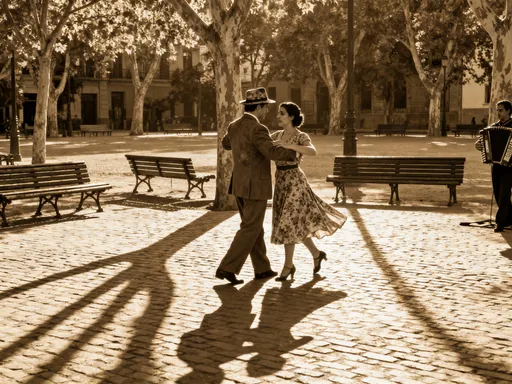
Even something as seemingly simple as a tango lesson can reveal these cultural gaps. Many visitors sign up for a class thinking they’ll learn a few flashy moves to impress friends back home. But in Mendoza, as in much of Argentina, dance is not performance—it’s participation. Traditional gatherings, known as milongas, are social events with their own etiquette: you don’t just jump in; you wait to be invited, you respect the space of others, and you dance with intention, not showmanship. Showing up late, cutting in, or treating the dancers like a spectacle can instantly mark you as an outsider. The lesson? Culture isn’t something you consume. It’s something you enter—slowly, respectfully, and with humility.
The Wine Trap: When Tourism Overshadows Tradition
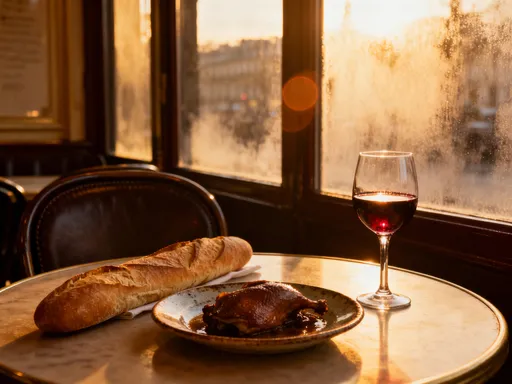
Let’s be honest—most people come to Mendoza for the wine. And why not? The region produces some of the finest Malbec in the world, grown in high-altitude vineyards where cool nights and intense sunlight create grapes of exceptional depth and character. Wineries dot the landscape, offering tastings, tours, and gourmet lunches with panoramic views. But beneath the polished surface of these experiences lies a growing tension between authenticity and commercialization.
Many of the most popular bodegas have adapted to the demands of international tourism. Their tours are conducted entirely in English, their cellars designed for photo ops, and their menus crafted to suit foreign palates. While these experiences are enjoyable—and often luxurious—they risk presenting a sanitized version of Argentine wine culture. What gets lost is the soul of the tradition: the family stories passed down through generations, the seasonal rhythms of harvest and fermentation, and the role of wine in everyday life, not just special occasions.
In contrast, smaller, family-run bodegas often offer a more grounded experience. Here, the owner might greet you personally, speak in rapid Spanish, and pour wines that aren’t labeled or marketed internationally. The setting might be humble—a converted garage or a rustic courtyard—but the connection is real. You’ll hear about the challenges of drought, the pride in organic practices, and the way wine is shared during Sunday lunches with extended family. These moments aren’t staged for tourists; they’re lived.
Choosing where to visit matters. Opting for a well-known, Instagram-friendly winery might give you a great photo, but it won’t teach you how wine shapes identity in Mendoza. Instead, seek out places that prioritize storytelling over spectacle. Ask questions: Who planted these vines? How has the family been involved? What does this vintage mean to you? Even if your Spanish is limited, the effort to engage shows respect. And more often than not, locals appreciate the attempt and will respond with warmth and openness. The difference isn’t just in what you taste—it’s in what you understand.
Dancing Into Awkwardness: Tango and Folklore Missteps
Dance in Mendoza is more than entertainment—it’s expression, memory, and community. Yet, many travelers approach it as a performance to be watched or a skill to be mastered in an hour. This mindset leads to one of the most common cultural missteps: treating traditional music and dance as tourist attractions rather than living art forms. Whether it’s tango in the city or folkloric music in the countryside, the context matters as much as the choreography.
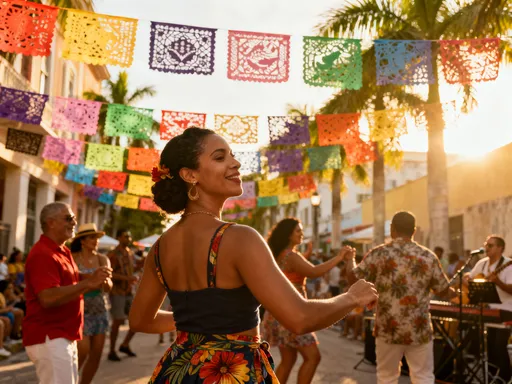
Tango, for instance, is often misunderstood as a dramatic, theatrical dance. While stage performances exist, the heart of tango lies in the milonga—a social dance where couples move in close embrace, guided by feeling more than steps. These gatherings are intimate, often held in small halls or cultural centers, and governed by unspoken rules. You don’t just walk in and start dancing. You observe, you wait to be invited, and you respect the flow of the room. Showing up late, interrupting a dance, or asking for photos mid-song can disrupt the entire atmosphere. To participants, it’s not just rude—it’s disrespectful to the culture.
Similarly, folkloric traditions like peñas—nightly gatherings featuring regional music, dance, and poetry—thrive on participation. These events are often hosted in local bars or community spaces and draw families, elders, and young people alike. The music varies by region: chacarera from the north, zamba with its delicate handkerchief movements, and cueca in border areas. But the spirit is the same: celebration, identity, and continuity. Tourists who treat these gatherings as dinner shows, snapping photos from their seats without clapping or engaging, miss the point entirely. The music isn’t for you—it’s for the community. Your role is to listen, to appreciate, and, if invited, to join.
The key to avoiding awkwardness is preparation and humility. Before attending a milonga or peña, learn a few basic steps. Watch videos, take a short lesson, or practice with a friend. More importantly, understand the etiquette. Arrive on time, dress modestly, and avoid drawing attention to yourself. If you’re unsure whether to dance, watch what others do. Sometimes, the most meaningful contribution is simply being present—clapping at the right moments, smiling at performers, and letting the rhythm move you, even if you stay in your seat. When you approach dance as a guest rather than a consumer, the experience transforms.
Language as a Gateway—Not a Barrier
It’s possible to navigate Mendoza without speaking Spanish—especially in tourist-heavy areas where staff in hotels, wineries, and restaurants often have some English. But fluency in the language isn’t the goal. The real reward comes from effort. Even basic phrases—buenos días, gracias, ¿cómo estás?—open doors that translation apps cannot. They signal respect, curiosity, and a willingness to connect on human terms.
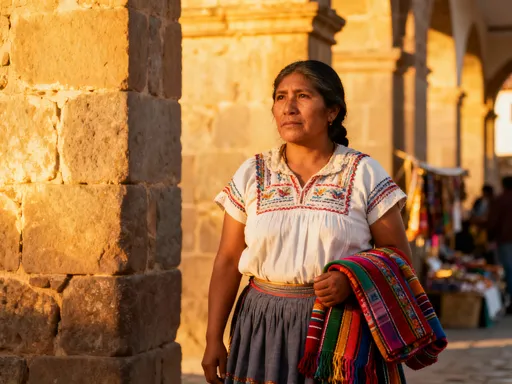
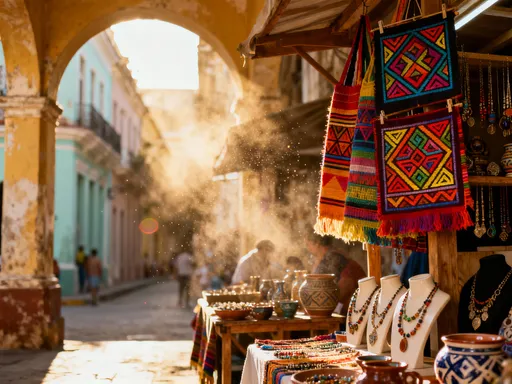
Consider this: you’re at a craft market in the town of Chacras de Coria, drawn to a display of handwoven textiles. The artisan, an older woman with kind eyes, begins to explain the patterns in rapid Spanish. You pull out your phone, open a translation app, and wait for the text to appear. The moment stretches. She smiles politely, but the warmth fades. The conversation stalls. Now imagine the same scene, but this time you say, “Hermoso. Muy bonito. ¿De dónde es este diseño?”—simple words, imperfect pronunciation, but delivered with eye contact and a smile. Her face lights up. She responds slowly, gestures to the cloth, and begins to tell you the story behind the symbols. That exchange—fragile, imperfect, real—is where connection happens.
Language isn’t just about information; it’s about relationship. When you speak even a little Spanish, you show that you value the local culture enough to try. This small act builds trust. Shopkeepers might offer you a taste of homemade dulce de membrillo, a neighbor might invite you to a family gathering, or a musician might let you try their guitar after a performance. These moments don’t happen because you’re fluent—they happen because you’re trying.
And mistakes? They’re not failures. They’re part of the journey. Mispronouncing a word, mixing up verbs, or accidentally ordering something unexpected—these are not embarrassments. They’re stories. Locals often find them endearing. They remember the tourist who tried to say “I love this place” but ended up saying “I am this place” (soy este lugar)—and laughed with them, not at them. The goal isn’t perfection. It’s presence. Every awkward phrase, every misstep, brings you closer to understanding not just the language, but the people who speak it.
Timing Trouble: Missing the Rhythm of Local Life
If there’s one concept that defines daily life in Mendoza, it’s hora mendocina—the local sense of time. It’s not laziness. It’s not disorganization. It’s a cultural rhythm that prioritizes relationships over schedules. Events start later than advertised. Shops close midday for siesta. A dinner invitation might say 9 p.m., but no one arrives until 10 or even 11. To visitors used to minute-by-minute planning, this can feel frustrating, even disrespectful. But fighting it only leads to stress. The wiser approach is to adapt.
Understanding hora mendocina begins with letting go of rigid expectations. A tour that says it starts at 3 p.m. might not begin until 3:30. A restaurant might not take reservations, or might seat you later than promised. Instead of checking your watch, use the time to observe. Sit in a plaza, sip a café con leche, and watch how people move through their day. You’ll notice conversations lasting longer, meals stretching into hours, and a general resistance to rushing. This isn’t inefficiency—it’s intentionality. Time is not a commodity to be saved; it’s a space to be shared.
Some of the richest cultural experiences happen because of, not in spite of, this rhythm. Imagine arriving early for a folk music event, only to find the musicians still setting up. Instead of waiting impatiently, you strike up a conversation. They invite you to help arrange chairs, offer you a glass of wine, and begin to play informal tunes while they warm up. What was supposed to be a one-hour concert turns into a three-hour evening of music, stories, and laughter. This wouldn’t have happened if everything had started on time.
Aligning with local timing also means adjusting your itinerary. Instead of packing three activities into one day, choose one or two and allow space for the unexpected. Visit a neighborhood market in the morning, linger over lunch, and take a nap if you need to. When you slow down, you notice more: the way vendors greet regular customers by name, the sound of children playing in a courtyard, the smell of fresh bread from a corner bakery. These are the textures of real life. They don’t fit into a schedule—but they define the soul of a place.
Beyond the Postcard: Finding Authentic Cultural Spaces
The most memorable moments in Mendoza rarely happen at the top-rated winery or the most photographed plaza. They unfold in quieter corners—in a backyard where an elderly couple dances to old tangos, in a village square where children learn folk dances from their grandparents, in a small church hall where artisans sell handcrafted goods during a local festival. These are the spaces where culture breathes, untouched by tourism. But finding them requires more than a map.
One of the best ways to discover authentic experiences is through conversation. Strike up a chat with a barista, a taxi driver, or a shopkeeper. Ask simple questions: “¿Qué recomienda para conocer la cultura local?” or “¿Hay alguna fiesta este fin de semana?” You’ll often get recommendations that don’t appear online—neighborhood celebrations, family-run restaurants, or seasonal events like the vendimia (grape harvest festival). These moments aren’t curated for visitors. They’re real, spontaneous, and deeply rooted in community.
Another powerful tool is joining local groups or events. Platforms like Meetup or community bulletin boards often list cultural exchanges, language tandems, or volunteer opportunities. Participating in a cooking class with locals, helping at a community garden, or attending a neighborhood fiesta patria can open doors that tourist activities never will. These experiences aren’t about observation—they’re about participation. You’re not watching culture. You’re living it.
It’s also important to be cautious of “curated authenticity”—experiences designed to look local but created for tourists. A restaurant that claims to serve “traditional family recipes” but has a multilingual menu, piped-in music, and no local patrons is likely performing culture rather than sharing it. True authenticity is messy, unpredictable, and often unadvertised. It doesn’t come with a price tag or a reservation system. It comes from being present, patient, and open to the unexpected.
Coming Full Circle: How Mistakes Led to Meaning
Looking back, my time in Mendoza was shaped not by the moments I got right, but by the ones I got wrong. I arrived with a list of must-dos, a fluent phrasebook, and a belief that preparation would guarantee connection. I was wrong. I showed up late to a milonga and stood awkwardly at the edge. I mispronounced words and caused laughter—genuine, kind laughter, but laughter still. I once ordered what I thought was a light appetizer and was served an entire roasted lamb for two. I made mistakes. And each one taught me something.
They taught me to slow down. To listen before speaking. To value presence over productivity. I learned that culture isn’t something you collect like souvenirs. It’s something you grow into, through humility, patience, and repeated effort. The woman at the craft market didn’t care that my Spanish was broken. She cared that I tried. The musicians didn’t mind that I clapped at the wrong time. They smiled because I was there, because I was part of the moment.
Travel at its best isn’t about checking boxes. It’s about transformation. It’s about arriving as a stranger and leaving with a deeper understanding of what it means to belong, even briefly, to a place and its people. Mendoza didn’t give me answers. It gave me questions. It challenged my assumptions, softened my edges, and reminded me that connection begins not with perfection, but with the courage to try.
So if you go to Mendoza—for the wine, the mountains, the light—don’t just plan. Prepare to be surprised. Prepare to misunderstand. And prepare to learn. Because the most beautiful moments often come not from getting it right, but from getting it wrong—and staying anyway. In the end, it’s not about mastering the culture. It’s about honoring it, one imperfect step at a time.