You Gotta See Haifa From These Spots – Mind-Blowing Views Await
If you think you’ve seen Haifa from the best angles, think again. This vibrant coastal city in northern Israel unfolds in unexpected ways when viewed from the right vantage points. From sweeping coastal panoramas to quiet hillside overlooks, each viewpoint tells a different story of sea, city, and mountain. I’ve explored the most stunning lookouts so you can skip the guesswork and head straight to the views that truly take your breath away. Whether you're drawn to serene spiritual sites, lush green trails, or charming urban corners, Haifa offers a visual symphony shaped by elevation, history, and the shimmering Mediterranean. This guide reveals how to experience the city not just as a visitor, but as a witness to its layered beauty.
Why Viewpoints Matter in Haifa
Haifa is a city built on elevation, where the land itself shapes the way you see and feel it. Unlike flat coastal towns, Haifa cascades down the slopes of Mount Carmel in a graceful descent from forested heights to the shimmering shoreline. This unique topography means that nearly every view is layered—mountain, city, sea—all unfolding in one sweeping glance. The city’s design follows the natural contours of the land, creating a dynamic interplay between urban life and natural beauty. Because of this, choosing the right vantage point isn’t just about scenery; it’s about understanding Haifa’s soul.
What sets Haifa apart from other Mediterranean cities is how its verticality enhances the travel experience. While many destinations offer oceanfront promenades or hilltop ruins, Haifa integrates both into daily life. Residents commute up and down the mountain via the iconic Carmelit subway, and neighborhoods like the German Colony and Hadar are nestled at different altitudes, each with its own atmosphere. When you stand at a high point and look out, you’re not just seeing a postcard—you’re witnessing how geography, culture, and community converge.
For travelers, this means that a simple shift in perspective can transform the experience. A view from the base of the mountain shows bustling streets and port activity, while a glance from above reveals patterns—the symmetry of the Baha’i Gardens, the curve of the coastline, the patchwork of rooftops fading into the haze. These moments of clarity are what make Haifa so rewarding to explore. The city invites you to look deeper, to climb a little higher, and to discover how light, elevation, and location shape its identity. Understanding this helps you choose not just where to go, but when and how to see it for maximum impact.
The Iconic Baha’i Gardens and Upper Terrace
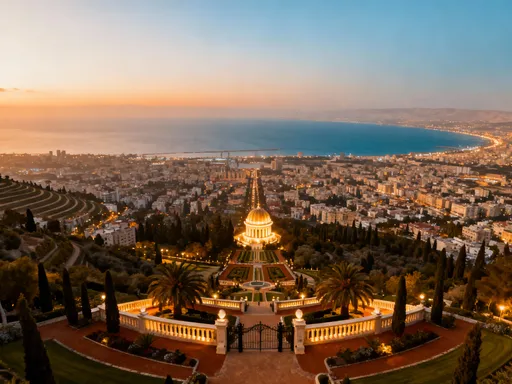
No symbol captures Haifa’s beauty more perfectly than the Baha’i Gardens. These meticulously maintained terraced gardens stretch from the base of Mount Carmel all the way to its peak, culminating at the golden-domed Shrine of the Bab. While many visitors walk through the lower and middle levels, the most breathtaking perspective comes from the Upper Terrace, located at the summit. From here, you can step back and see the entire garden complex in one sweeping vista—an emerald staircase descending toward the Mediterranean, framed by cypress trees and marble pathways.
This panoramic view is more than just picturesque; it’s a testament to precision, harmony, and devotion. The symmetry of the gardens, their alignment with the coastline, and the way they blend into the natural slope of the mountain create a sense of balance that is both calming and awe-inspiring. The Upper Terrace is designed for contemplation, with wide open spaces, shaded benches, and unobstructed sightlines. It’s the perfect place to pause, breathe, and absorb the scale of what lies before you.
To make the most of this experience, timing is essential. Early morning visits, especially on weekdays, offer soft light and fewer crowds. The sun rises behind the city, casting a golden glow over the gardens without harsh shadows. Late afternoon also works well, as the western light reflects off the sea, adding a silvery sheen to the landscape. Photography enthusiasts will appreciate how the elevated position allows for wide-angle shots without obstructions. While the gardens are closed on Saturdays and major religious holidays, planning ahead ensures a peaceful and uninterrupted visit.
It’s also worth noting that the Upper Terrace is accessible to all. Paved pathways, handrails, and seating make it suitable for visitors of all ages and mobility levels. Staff are present to assist and ensure respectful behavior, as this is a sacred site for the Baha’i faith. Visitors are asked to dress modestly and maintain a quiet demeanor, enhancing the tranquil atmosphere. Whether you’re a first-time traveler or returning after years, this vantage point offers a renewed sense of wonder—a reminder that beauty, when thoughtfully designed, can elevate the spirit.
Mount Carmel National Park Lookouts
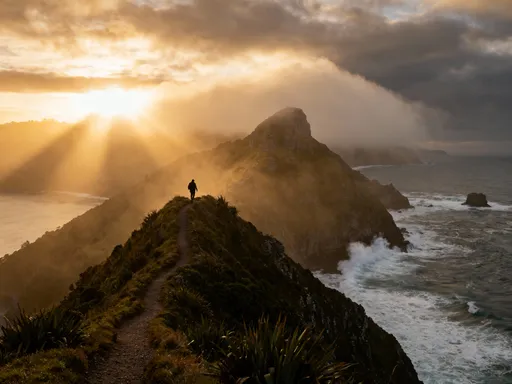
Just beyond the city’s edge, Mount Carmel National Park offers a network of trails and hidden clearings that provide some of the most serene and expansive views in the region. Unlike the structured beauty of the Baha’i Gardens, these lookouts feel wilder, more intimate—places where nature reclaims the foreground and the city becomes a distant tapestry below. The park covers over 10,000 acres of forested slopes, home to oak and pine trees, aromatic herbs, and diverse wildlife. But for many visitors, the true reward lies in the spontaneous moments of discovery: a roadside pull-off with an unobstructed horizon, a trail bend that opens to a sweeping vista of the coastline.
One of the most beloved local spots is the overlook near the Ein Hod trailhead, where a simple dirt clearing offers a panoramic view stretching from Haifa’s port to the northern coastline. At sunrise, the mist rises off the sea, softening the edges of the city. In the late afternoon, the light turns warm and golden, highlighting the contrast between the green hills and the deep blue water. These moments feel private, even when others are present, because the space is vast and the experience deeply personal.
Reaching these lookouts doesn’t require a strenuous hike. Many can be accessed by car via well-maintained forest roads, with parking areas just steps from the viewpoints. For those who enjoy walking, short trails like the Ammi’ad Path or the Carmel River route offer gentle ascents through shaded groves, ending in scenic clearings. The park is open daily, though hours vary by season, and entry is free. Bicycles are welcome on designated paths, making it a great option for active families or couples seeking a peaceful outdoor escape.
Photographers and nature lovers will appreciate the changing seasons. In winter and early spring, after the rains, the hills burst with wildflowers—red anemones, yellow cyclamens, and delicate rock lilies. By summer, the landscape turns golden, and the air carries the scent of thyme and sage. Regardless of the season, the air is noticeably fresher here, a welcome contrast to the humidity of the coast. These lookouts are not just about the view—they’re about the feeling of being above it all, surrounded by silence and sky, with the city quietly humming below.
Stella Maris Monastery and the Carmelite Observation Point
Perched on a high cliff along Mount Carmel’s northern ridge, Stella Maris Monastery is a centuries-old spiritual sanctuary with one of the most dramatic coastal views in the region. The name, meaning “Star of the Sea,” reflects its historical role as a place of guidance and refuge for sailors. Today, it remains a place of quiet contemplation, where the rhythm of prayer meets the endless horizon of the Mediterranean. The observation point in the monastery courtyard offers an unobstructed panorama—waves crashing against the rocks below, ships gliding across the bay, and the city of Haifa spreading out like a living map.
What makes this vantage point unique is the blend of natural beauty and cultural depth. The monastery, run by the Carmelite Order, has stood on this site since the 18th century, though the tradition dates back much further. According to tradition, the prophet Elijah lived in a cave on this mountain, making it a site of significance for multiple faiths. Visitors are welcome to explore the church, light a candle, or simply sit in silence. The atmosphere is reverent but not restrictive—travelers of all backgrounds are treated with kindness and respect.
The view from the terrace is unforgettable. On clear days, you can see all the way to the Akko coastline in the north. The contrast between the deep blue sea and the white stone of the monastery creates a striking visual harmony. Benches along the railing invite lingering, and the gentle breeze carries the scent of salt and pine. It’s a place that encourages reflection, whether you’re drawn by faith, history, or the sheer beauty of the landscape.
For families and older travelers, the site is easily accessible by car or bus, with a short walk from the parking area to the entrance. Modest dress is recommended, and photography is allowed in outdoor areas. While the interior of the church may have limited access during prayer times, the courtyard remains open to visitors throughout the day. Whether you arrive at sunrise for a moment of solitude or in the late afternoon to watch the light shift over the water, Stella Maris offers a rare combination of peace, history, and visual splendor.
Haifa Port and The German Colony Waterfront
At sea level, Haifa reveals a different character—one shaped by industry, commerce, and coastal charm. The Haifa Port area, long a hub of maritime activity, now shares space with cafés, art installations, and walking paths that invite leisurely exploration. Nearby, the German Colony, a historic neighborhood built by Templar settlers in the 19th century, has transformed into a cultural hotspot with boutique shops, galleries, and restaurants. Together, these areas form a vibrant waterfront district where old and new coexist in surprising harmony.
Walking along the promenade at sunset offers a more intimate kind of beauty. The sun dips behind the mountain, casting long shadows across the docks. Cranes stand still against the orange sky, their silhouettes softened by distance. Fishing boats bob gently in the marina, and the occasional cargo ship passes in the distance, lights beginning to flicker on. This is not the grandeur of a hilltop panorama, but something quieter—a moment of connection between city and sea, work and rest, past and present.
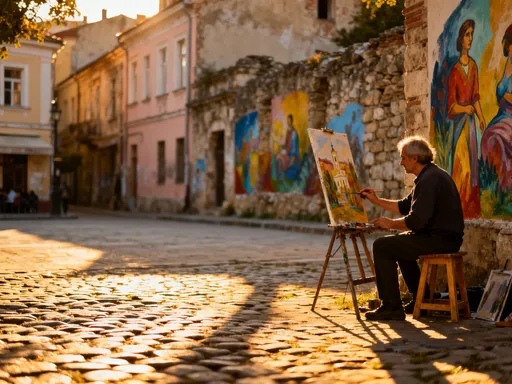
The German Colony’s cobblestone streets and red-roofed buildings add to the charm. Many of the old houses have been restored and now house cozy cafés where you can sit with a cup of coffee and watch the world go by. Some offer outdoor seating with partial sea views, perfect for people-watching or journaling. The atmosphere is relaxed, welcoming, and distinctly European in flavor, yet unmistakably Israeli in spirit. Families stroll with children, couples share desserts, and older residents sit on benches, enjoying the evening breeze.
This area is also ideal for those who prefer a slower pace. You can spend an hour or two wandering without a strict itinerary—stopping at a gallery, browsing a bookshop, or simply finding a quiet bench to watch the light change. The waterfront path connects seamlessly to other parts of the city, including the lower Baha’i Gardens and the Technion campus, making it easy to extend your walk. For travelers seeking authenticity, this is where Haifa feels most alive—not in grand gestures, but in everyday moments.
Urban Vantage Points: Cafés and Rooftops
Not every unforgettable view requires a hike or a pilgrimage. Some of Haifa’s most delightful panoramas come from within the city itself—on the upper floors of restaurants, in rooftop cafés, or at window seats with a perfect line of sight. These urban vantage points offer comfort and convenience without sacrificing beauty, making them ideal for travelers with limited mobility, families with young children, or anyone who wants to enjoy the scenery with a warm drink in hand.
In the German Colony, several multi-story buildings house cafés and eateries with elevated seating. While specific establishments may change over time, the pattern remains: upper floors often feature large windows or small terraces that face west, directly toward the sea. Sitting here in the late afternoon, you can watch the light shift across the water, the city lights begin to twinkle, and the mountains fade into silhouette. The experience is both relaxing and immersive—a way to absorb Haifa’s beauty without leaving the comfort of a cushioned chair.
Downtown Haifa also offers hidden gems. Some hotels and cultural centers have public lounges or restaurants on higher floors, providing panoramic views of the port and surrounding neighborhoods. These spaces are often overlooked by tourists but cherished by locals who know the value of a quiet moment with a view. Early evenings are ideal, as the transition from daylight to night brings a magical quality to the skyline. The contrast between warm interior lighting and the cool blue of the twilight sky enhances the sense of depth and space.
When choosing a spot, look for places with large windows, minimal glare, and outdoor seating if possible. Arriving before peak hours ensures better seating options, especially on weekends. While menus vary, many offer light meals, pastries, and locally brewed coffee—simple pleasures that complement the experience. These urban lookouts prove that you don’t need to climb a mountain to feel above the world; sometimes, the right window at the right time is enough.
Sunset Versus Sunrise: When to Visit Each Spot
Light is the silent architect of every great view, and in Haifa, the difference between sunrise and sunset can define your entire experience. Each moment of the day paints the city in a different hue, alters the mood of the landscape, and influences crowd levels. Understanding these patterns allows you to plan your visits for maximum impact, whether you seek solitude, vibrant colors, or photographic perfection.
Sunrise is best for those who value peace and soft illumination. At the Baha’i Upper Terrace, the morning light comes from behind, gently illuminating the gardens without harsh contrast. The air is cool, the paths are quiet, and the city is just waking up. Similarly, the Mount Carmel lookouts offer misty, dreamlike views in the early hours, with long shadows and a sense of stillness. Stella Maris Monastery at dawn feels especially spiritual, as the first rays touch the sea and the sound of waves blends with morning prayer.
Sunset, on the other hand, draws crowds—but for good reason. The western-facing viewpoints along the German Colony, the port, and the Carmel ridges turn into stages for the daily light show. As the sun sinks into the Mediterranean, the sky erupts in shades of pink, orange, and purple. The city lights begin to glow, and the atmosphere becomes romantic and lively. Rooftop cafés fill up quickly, and the waterfront buzzes with activity. For photographers, this is prime time—reflections on the water, silhouettes of ships, and warm tones on stone buildings create endlessly captivating images.
For a balanced experience, consider visiting certain spots at different times. The Baha’i Gardens are stunning at both sunrise and late afternoon, but weekdays offer fewer people. Mount Carmel is best at dawn for solitude, but late afternoon works well for families finishing a day of exploration. The German Colony is ideal in the evening, when shops are open and the energy is high. Regardless of your preference, checking weather conditions and daylight hours in advance ensures you don’t miss the moment. And remember—whether you rise early or stay late, Haifa’s beauty is always worth the wait.
Conclusion
Haifa reveals itself layer by layer, and the right viewpoint can turn a simple trip into a lasting memory. By chasing not just the sights, but the perspectives, travelers gain a deeper connection to the city’s rhythm and beauty. The journey isn’t just about where you go—but how you see it. From the sacred calm of Stella Maris to the vibrant buzz of the German Colony waterfront, from the wild trails of Mount Carmel to the comfort of a rooftop café, each vantage point offers a unique lens on this remarkable city. With thoughtful planning, attention to light, and a willingness to explore beyond the obvious, you’ll discover that Haifa’s true magic lies not in any single view—but in the many ways it lets you see the world anew.