You Won’t Believe What Parisian Dining Feels Like Until You’ve Lived It
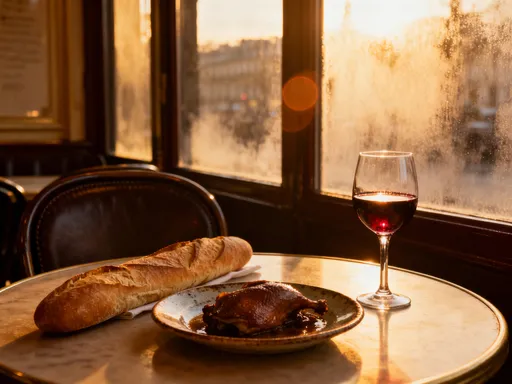
Paris isn’t just about croissants and cafés — it’s a full sensory love letter to food. I still remember my first real French meal: crusty bread, velvety wine, and a duck confit that made me close my eyes mid-bite. Dining in Paris isn’t just eating — it’s rhythm, ritual, and soul. This is your guide to tasting the city like you belong here, not just passing through. More than sightseeing, the true heartbeat of Paris reveals itself at the dinner table, in bustling markets, and over slow morning coffees. For women who cherish connection, comfort, and beauty in everyday moments, Paris offers a culinary experience that feels both luxurious and deeply human. Let this be your invitation to savor it all — slowly, thoughtfully, and with heart.
The Heartbeat of Paris: Why Dining Is Culture Here
In Paris, meals are not interruptions to the day — they are the day’s most important moments. Dining is woven into the fabric of life with such intention that it shapes social rhythms, family bonds, and personal well-being. Unlike the rushed breakfasts or desk lunches common elsewhere, Parisians treat eating as a practice of presence. A weekday lunch may last an hour, while weekend dinners unfold over three courses and two hours, filled with laughter, clinking glasses, and stories passed between generations. This cultural reverence for food stems from a philosophy often called joie de vivre — the joy of living — where pleasure is not indulgent but essential.
Seasonality plays a central role in how Parisians eat. Menus shift with the calendar: asparagus in spring, tomatoes at their peak in August, rich stews and roasted meats in winter. This connection to nature’s cycle ensures freshness and deep flavor, but it also reflects a respect for tradition and sustainability. Supermarkets may stock strawberries in December, but at local markets, you’ll find only what is truly in season. This rhythm teaches patience and appreciation — qualities that resonate deeply with women who value balance and mindfulness in daily life.
Meals are also a form of identity. A grandmother’s onion tart, a favorite boulangerie’s weekly bread ritual, or a family’s Sunday roast at a neighborhood bistro — these are not just meals but anchors of belonging. For visitors, embracing this mindset transforms dining from consumption into connection. When you sit down to eat in Paris, you’re not just feeding your body; you’re participating in a centuries-old culture of care, craftsmanship, and community. That shift — from tourist to temporary local — begins the moment you slow down and savor.
Beyond the Guidebooks: Finding Authentic Spots Like a Local
One of the greatest joys of dining in Paris is discovering places untouched by crowds — spots where the menu is in French, the owner greets regulars by name, and the wine list feels personal. These authentic experiences exist beyond the glossy pages of travel guides and Instagram feeds. The key to finding them lies not in rankings or reviews, but in observation and intuition. Begin by following the locals: if a small bistro fills with office workers at noon or retirees sharing wine in the early evening, you’ve likely found a gem. Parisians rarely wait in long lines for dinner; they know where the real quality lies.
Look for restaurants without translated menus. While this may seem daunting, it often signals authenticity. A menu printed only in French suggests the chef is cooking for neighbors, not tourists. If you’re unsure, don’t hesitate to ask for help — most staff appreciate the effort to engage. Simple phrases like "Qu'est-ce que vous recommandez?" (What do you recommend?) go a long way. Additionally, avoid places with photos of food in the window or menus offering ten languages. These are often designed to attract passersby rather than nourish regulars.
Neighborhood bistros in areas like the 10th, 11th, or 12th arrondissements often deliver the most genuine experiences. These districts are less crowded with tourists but rich in culinary tradition. Places like Charonne or Rue des Martyrs offer a mix of family-run establishments, artisanal cheese shops, and wine bars where conversation flows easily. Reservations are wise for dinner, especially on weekends, but lunch is often first-come, first-served. By choosing depth over fame, you gain more than a meal — you gain insight into how Parisians truly live.
Morning Magic: The Real Parisian Breakfast Experience
The Parisian morning begins not with a protein shake or toast from a toaster, but with a ritual walk to the neighborhood boulangerie. This daily pilgrimage is more than convenience — it’s a commitment to freshness and craft. The scent of warm bread, the crackle of a perfectly baked baguette, the golden sheen of a freshly pulled croissant — these are the true markers of a Parisian dawn. While tourists may imagine breakfast as a long café affair with endless coffee, locals often eat quickly at home: a buttery croissant, a pain au chocolat, and a small cup of strong coffee or hot chocolate.
Choosing the right bakery makes all the difference. Look for the Boulangerie de Qualité sign, which indicates adherence to traditional methods and high-quality ingredients. Observe the clientele — if retirees and parents with children are lined up, it’s a good sign. Avoid places where pastries look too uniform or shiny; real viennoiseries are made fresh each morning and may vary slightly in shape. A true croissant should be flaky, layered, and rich without being greasy. The same goes for the baguette: it should crackle when squeezed and have a soft, airy interior.
For a more leisurely start, a café terrace can be a beautiful place to pause. Order a café crème (espresso with steamed milk) and a tartelette aux fruits for a light, elegant breakfast. But remember, Parisians don’t linger over breakfast like they do dinner. The morning meal is a quiet prelude to the day, a moment of simple pleasure before work, school, or errands. By embracing this rhythm, you align yourself with the city’s natural pace — one that values quality over quantity, and presence over performance.
Lunch Like a Parisian: Balancing Simplicity and Flavor
Lunch in Paris is a masterclass in balance — simple ingredients, thoughtful preparation, and unhurried enjoyment. Unlike the hurried sandwich at a desk, the Parisian lunch is a protected moment of pause. Even in busy neighborhoods, workers step away from their offices to sit down, often with a glass of wine and a full plate. The plats du jour — daily specials — are the heart of this tradition. Typically offered at midday, these dishes feature seasonal ingredients prepared with care: a roast chicken with herbs, a vegetable gratin, or a fresh fish in white wine sauce.
Many brasseries and bistros offer a formule déjeuner — a lunch menu with two or three courses at a fixed price. This is not only economical but also a smart way to experience authentic cooking without overspending. A typical formula might include a starter like a frisée salad with lardons, a main course such as duck breast with lentils, and a small dessert or cheese. Wine is often included by the glass, reinforcing the idea that a meal is incomplete without a proper pairing.
Portion sizes in Paris are notably smaller than in many other countries, but this is by design. The focus is on quality, not quantity. A perfectly seared scallop means more than a plate piled high with mediocre seafood. This approach encourages mindful eating — savoring each bite, noticing textures and flavors, and stopping when satisfied, not stuffed. For women who seek nourishment without excess, this philosophy feels both refreshing and empowering. Lunch is not a race; it’s a rhythm to be honored.
Market Days: Where Flavor Meets Community
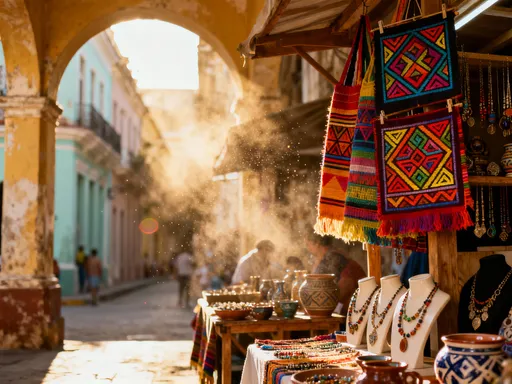
No visit to Paris is complete without a stroll through an open-air market. These vibrant gatherings are more than places to buy food — they are living classrooms of French culinary culture. Markets like Marché d’Aligre in the 12th or Marché des Enfants Rouges in the 3rd offer a feast for the senses: pyramids of ripe peaches, wheels of aged cheese, bundles of fresh herbs, and trays of olives glistening in the sun. Vendors call out greetings, customers bargain gently, and children peek over counters at colorful pastries. This is where food becomes community.
Shopping at a Parisian market is an experience in mindfulness and connection. Rather than grabbing pre-packaged items, you engage directly with the people who grow, bake, or prepare what you eat. A cheese vendor might offer a taste of a creamy Camembert or a sharp Mimolette, explaining how it’s aged. A fruit seller might recommend the sweetest figs for a picnic. These interactions, though brief, create a sense of trust and belonging. For women who value authenticity and human connection, these moments are priceless.
Navigating a market is easier than it seems. Most operate on a cash-and-carry basis, though many now accept cards. Bring a reusable bag — both practical and eco-friendly. To build a simple picnic, choose a baguette from a nearby boulangerie, a small round of cheese, some charcuterie, and a piece of fruit. Add a bottle of wine from a local caviste, and you have a meal that rivals any restaurant. Practice a few basic French phrases — "Un kilo de tomates, s'il vous plaît" — and you’ll be rewarded with smiles. The market is not just where Parisians shop; it’s where they live.
Dinner with Depth: From Cozy Bistros to Hidden Gems
Dinner in Paris is an event — longer, richer, and more intimate than other meals. It’s the time when families gather, friends reconnect, and visitors truly taste the soul of the city. Traditional bistros remain the backbone of Parisian dining: warm lighting, white tablecloths, and menus filled with classics like steak frites, onion soup, and sole meunière. These establishments pride themselves on consistency and hospitality, offering a sense of comfort and continuity in a changing world.
In recent years, a new wave of neo-bistros has emerged — smaller, more inventive, and often led by young chefs reinterpreting French cuisine. These spots may feature dishes like beetroot carpaccio with goat cheese or roasted pigeon with honey-glazed carrots. While they embrace innovation, they still honor the core principles of French cooking: respect for ingredients, balance of flavors, and attention to detail. Finding these hidden gems requires curiosity: ask your hotel concierge, browse local food blogs in French, or simply wander charming side streets in residential neighborhoods.
Reservations are highly recommended, especially on weekends. Use platforms like TheFork or call the restaurant directly. When reading a wine list, don’t feel pressured to choose the most expensive bottle. Sommeliers are often happy to suggest pairings based on your meal and budget. And don’t rush — dinner is meant to unfold slowly. Start with an apéritif like a kir or a glass of Champagne, move through each course, and finish with a digestif if you wish. This is not just a meal; it’s a celebration of time well spent.
Sweet Endings and Final Tips: Mastering the Full Experience
No Parisian meal is complete without a sweet note. While macarons from famous patisseries like Ladurée or Pierre Hermé are iconic, the true dessert landscape is much broader. A perfectly baked tarte tatin, its apples caramelized and warm, served with a dollop of crème fraîche, can be more memorable than any colorful confection. Chocolate mousse, light yet deeply flavored, or a simple fromage blanc with honey offer elegance without excess. And let’s not forget the cheese course — a proud tradition where a selection of regional cheeses is served before dessert, often accompanied by a final glass of red wine.
As you navigate Parisian dining, a few final tips will help you feel at ease. Tipping is simple: round up the bill or leave 5–10% if service isn’t included. There’s no expectation to overtip — kindness is valued more than generosity. Embrace the concept of déjeuner tardif — a late lunch — if dinner feels too late for your rhythm. Many Parisians eat between 7:30 and 9:00 p.m., but cafés and bakeries remain open for lighter evening meals.
Most importantly, allow yourself to slow down. Put the camera away. Taste the bread. Listen to the hum of conversation. Let the wine linger on your palate. Parisian dining is not about perfection — it’s about presence. When you eat like a local, you don’t just taste the food; you taste the culture, the history, the heart of the city. For women who seek meaningful travel — experiences that nourish the spirit as much as the body — this is the ultimate reward. To dine in Paris is not to consume, but to connect. And in that connection, you find not just flavor, but belonging.