You Won’t Believe What I Found in Victoria, Seychelles
Stepping off the plane in Victoria, Seychelles, I was hit by that warm, salty breeze and instantly knew this place was different. It’s not just another tropical postcard—it’s alive with colors, rhythms, and natural beauty that sneak up on you. From granite boulders hugging turquoise coves to jungles humming with life, every turn feels like a private discovery. This isn’t just a vacation—it’s a soul reset. In a world where many island destinations feel overdeveloped or predictable, Victoria offers something rare: authenticity. Here, the capital city doesn’t dominate the island—it complements it, serving as a gentle gateway to landscapes so vivid they seem painted by nature’s own hand. This is a place where the wild remains wild, and beauty is found not in perfection, but in balance.
First Impressions: Landing in Victoria
Arriving at Seychelles International Airport on Mahé Island, travelers are greeted with an immediate sense of calm. The airport itself is modest in size, reflecting the nation’s emphasis on thoughtful development rather than mass tourism. As you exit the terminal, the island’s rhythm begins to unfold—the rustle of palm fronds, the distant cry of a frigatebird, and the scent of frangipani carried on the breeze. The short 15-minute drive into Victoria, the smallest capital city in the Southern Hemisphere, sets the tone for the entire journey. Lined with lush vegetation and occasional Creole-style houses painted in soft pastels, the road eases visitors into the island’s relaxed pace.
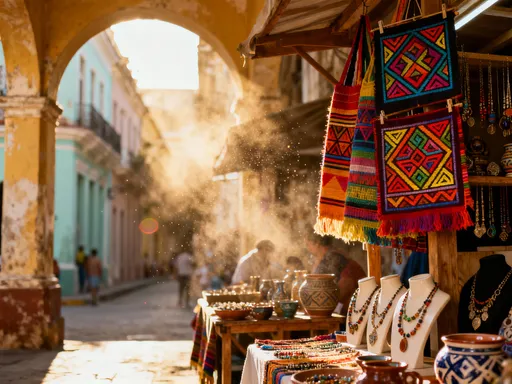
Victoria may be small, but it pulses with character. The city center is walkable and vibrant, centered around the Sir Selwyn Selwyn-Clarke Market, where baskets overflow with tropical fruits like mangoes, breadfruit, and soursop. The air is rich with the aroma of cinnamon, vanilla, and freshly grilled fish. Hand-carved coconuts and woven hats line the stalls, offering a glimpse into local craftsmanship. Unlike the bustling capitals of larger nations, Victoria doesn’t overwhelm. Instead, it invites curiosity. Its colonial-era clock tower, modeled after London’s Big Ben but painted in cheerful yellow and green, stands as a symbol of the island’s unique blend of cultures—African, French, British, Indian, and Chinese influences that have shaped Seychellois identity.
What strikes most visitors is how seamlessly the city transitions into nature. Within minutes of leaving the market, the urban landscape gives way to dense forest and coastal paths. There are no sprawling suburbs or concrete barriers between town and trail. This proximity to untouched landscapes is Victoria’s greatest asset. It allows travelers to experience both cultural richness and natural wonder without compromise. For families, couples, and solo adventurers alike, this harmony creates a rare kind of travel—one that nourishes both the mind and the spirit.
Why Victoria Stands Out Among Tropical Destinations
In the world of tropical travel, many island capitals serve primarily as logistical hubs—places to pass through on the way to resorts or beaches. Victoria is different. It is both a destination and a doorway. While cities like Malé in the Maldives or Pago Pago in American Samoa are densely populated and heavily urbanized, Victoria maintains a delicate balance. With a population of just over 25,000, it retains an intimate, village-like atmosphere while still offering essential services, cultural experiences, and access to world-class natural sites.
What truly sets Victoria apart is its authenticity. There are no artificial attractions or staged performances designed solely for tourists. Life here unfolds naturally. Fishermen mend their nets by the harbor at dawn. Children walk to school along shaded paths. Elders gather under banyan trees to share stories in Creole. This unscripted rhythm offers a refreshing contrast to the curated experiences found in more commercialized destinations. For travelers seeking connection over convenience, Victoria delivers a rare sense of place.
Equally important is the city’s role as a launchpad for exploration. From Victoria, some of the Indian Ocean’s most pristine environments are easily accessible. Within half an hour, you can be hiking through misty mountain forests, snorkeling in coral-rich bays, or standing beneath towering granite cliffs that have stood for millions of years. This immediacy—where urban life and wild nature coexist so closely—is uncommon in modern travel. It allows visitors to immerse themselves in the island’s essence without long transfers or complicated logistics. For families traveling with children or older adults seeking gentle adventures, this ease of access enhances the overall experience, making nature feel welcoming rather than daunting.
Top Natural Highlights Within Reach of Victoria
One of the most remarkable aspects of staying in Victoria is the abundance of natural beauty just a short distance away. Beau Vallon Bay, located about 30 minutes north of the city, is perhaps the most famous. With its wide arc of golden sand and calm, shallow waters, it’s ideal for swimming, paddleboarding, and family outings. The beach is lined with casuarina trees that provide dappled shade, and the underwater visibility is excellent for snorkeling, especially near the reef edges where parrotfish, angelfish, and blue-striped snappers dart among the coral.
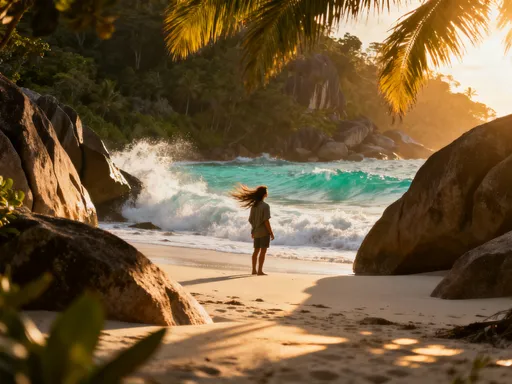
Further west, Port Launay offers a quieter alternative. Nestled within a protected marine park, this crescent-shaped cove is surrounded by granite boulders and dense jungle. The water here is exceptionally clear, and the presence of sea turtles is common, particularly in the early morning hours. Kayaking is a popular activity, allowing visitors to explore hidden inlets and observe marine life without disturbing the environment. The nearby Sainte Anne Marine National Park includes several small islands that can be visited on guided eco-tours, offering opportunities to learn about coral restoration and native seabirds.
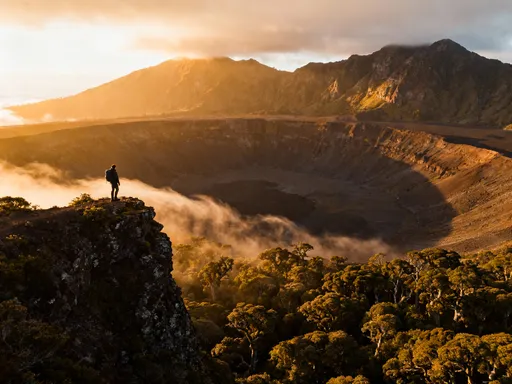
For those drawn to inland adventures, the Morne Seychellois National Park covers over 20% of Mahé and begins just on the outskirts of Victoria. Trails range from gentle walks to challenging climbs, all winding through rainforest canopies alive with the calls of endemic birds like the Seychelles sunbird and the blue pigeon. The Copolia Trail, one of the most scenic, leads to a ridge offering panoramic views of the island’s rugged interior and the Indian Ocean beyond. At every turn, the landscape tells a story of geological time—ancient granite formations, twisted takamaka trees, and ferns that seem to belong in another era.
Hidden Gems Only Locals Know About
Beyond the well-trodden paths lie treasures known mostly to residents. One such spot is Anse Forbans, a secluded cove reachable via a narrow footpath from the main road near Victoria. With no facilities and minimal signage, it remains uncrowded, offering a sense of solitude that’s increasingly rare in popular destinations. The beach is small, framed by smooth boulders and swaying palms, and the water is calm and clear—a perfect place for quiet reflection or a picnic with local fruit.
Another lesser-known gem is the Jardin du Roi Spice Garden, located in a historic valley once used by French colonists to cultivate nutmeg, cloves, and cinnamon. Today, it functions as both a botanical garden and a conservation site. Guided tours explain the history of spice trade in the Indian Ocean and demonstrate traditional uses of plants in Seychellois cooking and medicine. The scent of vanilla pods drying in the sun lingers in the air, creating an immersive sensory experience.
For those who enjoy tide pooling, the rocky shores near Takamaka offer fascinating discoveries at low tide. Small pools trap sea urchins, hermit crabs, and tiny octopuses, providing a hands-on way for children and adults alike to connect with marine life. The key to enjoying these hidden spots lies in respectful exploration. Staying on designated paths, avoiding littering, and refraining from removing shells or coral ensures these places remain pristine for future visitors. Slow travel—taking time to observe, listen, and appreciate—often leads to the most meaningful moments.
Sustainable Travel Tips for Exploring Nature Responsibly
The beauty of Victoria and its surroundings depends on careful stewardship. Seychelles has long been a leader in environmental conservation, with over 50% of its land area under some form of protection. Travelers play a crucial role in preserving this legacy. One of the simplest yet most impactful actions is minimizing single-use plastics. Many local businesses have eliminated plastic bags and straws, and visitors are encouraged to carry reusable water bottles. Refill stations are available in hotels, parks, and some public areas.
Staying on marked trails is another essential practice. The island’s soil is fragile, and off-trail hiking can lead to erosion and damage to native plant species. Many trails are clearly signed and well-maintained, making navigation easy. When snorkeling or swimming, it’s important to avoid touching coral or chasing marine animals. Coral reefs are sensitive ecosystems that take decades to recover from even minor disturbances.
Supporting eco-conscious tour operators also makes a difference. Many local guides are trained in sustainable practices and contribute to conservation initiatives. Some lead beach cleanups, participate in turtle monitoring programs, or donate a portion of their proceeds to environmental NGOs. Travelers can ask about these efforts when booking tours. Additionally, choosing accommodations with green certifications—such as those recognized by the Seychelles Sustainable Tourism Label—ensures that lodging choices align with conservation values.
Practical considerations like sun protection, hydration, and wildlife awareness are also part of responsible travel. The equatorial sun is intense, so wearing reef-safe sunscreen, hats, and UV-protective clothing helps prevent sunburn while reducing chemical pollution in the ocean. Drinking plenty of water, especially during hikes, prevents dehydration in the humid climate. Being aware of local wildlife—such as not feeding birds or disturbing nesting sites—ensures that nature remains undisturbed.
Getting Around: Transport Options That Maximize Experience
Navigating from Victoria to the island’s natural attractions requires thoughtful planning. The most flexible option is renting a car, which allows travelers to explore at their own pace and access remote trails and beaches. Roads on Mahé are generally well-paved, though some mountain routes are narrow and winding. Driving is on the left, and signage is clear, making self-guided tours feasible for confident drivers. Parking is available at major sites, though spaces can fill up during peak season.
For those who prefer not to drive, the public bus system offers an affordable and scenic alternative. Operated by the Seychelles Public Transport Corporation, buses connect Victoria with key coastal areas, including Beau Vallon and Anse Royale. While schedules can be irregular, the rides provide a glimpse into daily island life. Many locals use the buses, and conversations often spark between passengers, adding a social dimension to the journey.
Guided tours are another excellent choice, particularly for visitors interested in learning about geology, flora, and fauna. Small-group eco-tours often include transportation, expert commentary, and stops at viewpoints not typically listed in guidebooks. These tours maximize both comfort and educational value, making them ideal for families and older travelers. Whether by car, bus, or guided vehicle, the journey itself becomes part of the experience—winding roads reveal sudden vistas of turquoise water, misty peaks, and waterfalls cascading down forested slopes.
When to Go: Climate, Crowds, and Natural Cycles
Timing your visit to Victoria can significantly enhance your experience. Seychelles enjoys a tropical climate with warm temperatures year-round, averaging between 24°C and 30°C (75°F to 86°F). However, there are two main seasons: the northwest monsoon (November to March), which brings warmer temperatures and occasional heavy rains, and the southeast monsoon (May to September), characterized by cooler breezes and drier conditions.
The months from April to May and September to October are often considered the best for travel. These shoulder seasons offer stable weather, fewer crowds, and ideal conditions for both beach activities and hiking. Sea temperatures remain warm—typically around 27°C (81°F)—making swimming and snorkeling comfortable throughout the year. However, visibility for underwater photography is often best during the drier months when runoff from the hills is minimal.
Wildlife enthusiasts may want to time their visit to coincide with natural cycles. Green sea turtles nest on several beaches from October to January, and guided night tours offer a chance to observe this remarkable event with minimal disturbance. The blooming of native orchids and other endemic plants is most vibrant during the wetter months, adding bursts of color to forest trails. Birdwatchers will appreciate the increased activity during the early morning hours, especially in the national park.
Crowd levels tend to peak during European winter holidays (December to February) and summer vacations (July to August). While the island remains welcoming, accommodations and popular sites can be busier during these periods. Traveling outside peak times not only ensures a more peaceful experience but also supports sustainable tourism by distributing visitor numbers more evenly throughout the year.
Conclusion: Why Nature Lovers Must Experience Victoria
Victoria, Seychelles, is more than a destination—it is an invitation to reconnect. In a world that often feels hurried and disconnected, this small capital offers a rare opportunity to slow down and rediscover the rhythms of nature. Its landscapes are not just beautiful; they are alive with history, biodiversity, and quiet wonder. From the granitic shores that rise like ancient sentinels to the forests that hum with unseen life, every element speaks to the resilience and grace of the natural world.
What makes Victoria truly special is its authenticity. There are no artificial lagoons or imported attractions. What you experience is real—the scent of rain on hot earth, the sound of waves against rock, the sight of a rare bird flitting through the canopy. This genuineness resonates deeply, especially with travelers who value meaning over spectacle. It reminds us that the most profound journeys are not about ticking off landmarks, but about opening our senses and hearts to what is already there.
For families, for dreamers, for anyone seeking renewal, Victoria offers a quiet kind of magic. It asks not for grand gestures, but for presence. To visit with curiosity. To walk gently. To listen. In return, it gives moments of clarity, peace, and connection that linger long after the journey ends. This is not just tropical travel—it is a return to what matters. And that, perhaps, is the greatest discovery of all.