You Won’t Believe These Hidden Viewpoints in Delphi
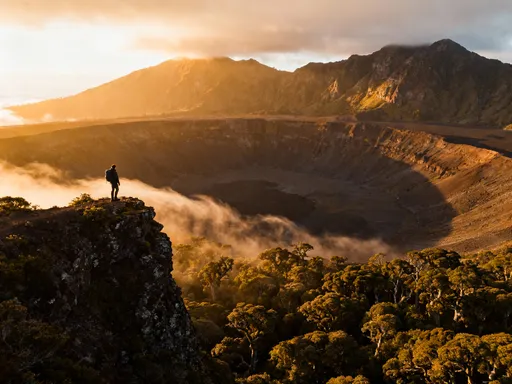
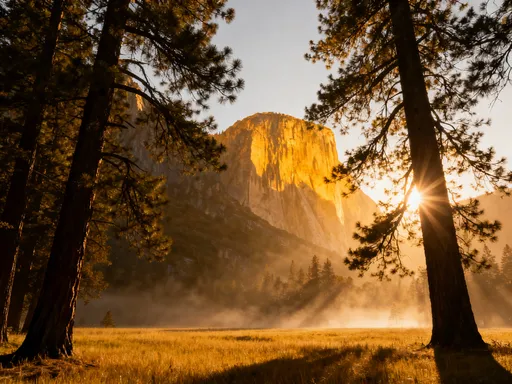
Delphi isn’t just ruins and myths—slow travel here reveals something deeper. I wandered for days without a strict plan, letting the landscape guide me. What I found? Jaw-dropping viewpoints most tourists miss. Perched on ancient paths, hidden terraces, and quiet trails, each spot offered more than a panorama—it felt like stepping into history. The air was crisp, the silence profound, broken only by the rustle of olive leaves and distant church bells. If you're chasing authenticity over checklists, Delphi’s true magic lies in these moments of stillness, where time slows and the soul breathes.
Why Delphi Deserves a Slow Travel Approach
Delphi is often visited as a day trip from Athens, squeezed between museum stops and ferry schedules. But this UNESCO World Heritage site, nestled high on the slopes of Mount Parnassus, rewards those who linger. The rhythm of Delphi is not hurried; it unfolds gradually, like morning mist rising from the valley. When you slow down, the layers of history, nature, and human presence begin to reveal themselves in subtle ways—a carved stone half-buried in soil, a local elder tending grapevines on a terraced slope, the echo of wind through ancient columns.
Staying multiple days allows travelers to witness Delphi in different lights—literally and figuratively. At dawn, the archaeological site glows in soft gold. By midday, the sun casts sharp shadows across the Sacred Way, emphasizing the precision of ancient engineering. In the evening, as the last tour buses depart, a deep quiet settles over the mountain, broken only by the occasional bark of a dog or the distant chime of goat bells. This is when Delphi feels most alive—not as a relic, but as a place still breathing with memory.
Local life here moves at a gentle pace. Families gather in the late afternoon in the small square of the modern village, sipping coffee and sharing stories. The shops sell honey from nearby hives, handwoven textiles, and herbs gathered from the hills. When you stay long enough to notice these rhythms, your visit shifts from observation to participation. You’re no longer just a spectator; you become part of the ongoing story of this sacred landscape.
Contrast this with the typical group tour experience: arriving by coach at 10 a.m., guided through the main ruins in 90 minutes, then back on the bus by noon. These visitors see the Temple of Apollo, the theater, and the stadium—but they miss the subtle magic that comes from lingering. They don’t feel the shift in temperature as clouds pass over the mountain, or hear the whisper of history in the wind. Slowness isn’t just a travel style; it’s a form of respect—for the place, for the past, and for the self.
The Archaeological Site at Sunrise: A Different Kind of Crowd-Free Moment
One of the most transformative experiences in Delphi is visiting the archaeological site before the crowds arrive. While most visitors come mid-morning, arriving at sunrise offers a rare intimacy with this ancient sanctuary. The gates typically open around 8 a.m., but arriving just after dawn—when the first light touches the highest peaks—creates a moment of profound stillness. At this hour, you may share the site with only a handful of early risers, photographers, or local walkers.
The visual drama is immediate. As the sun rises behind Mount Parnassus, its light spills across the valley and climbs the stone steps of the Temple of Apollo. The columns, weathered by centuries, glow in warm hues—amber, rose, and gold. The Sibyl’s Rock, a jagged outcrop just above the sanctuary, catches the light like a beacon. According to legend, the Pythia, the oracle of Delphi, received her visions in a trance-like state near this spot. Standing there in the quiet morning air, it’s easy to imagine the weight of prophecy hanging in the breeze.
For the best view, position yourself on the retaining wall near the theater. From here, you can see the entire sanctuary spread below, with the Gulf of Corinth shimmering in the distance. The theater, carved into the hillside, faces east—deliberately aligned to catch the morning sun. This was no accident; the ancients understood the symbolic power of light. The gradual illumination of the site mirrors the journey from darkness to knowledge, from ignorance to revelation.
Practical tips for this experience: bring a light jacket, as mornings can be cool even in summer. Wear comfortable shoes with good grip—some paths are uneven and can be slippery with dew. A small backpack with water, a notebook, and a camera is all you need. Avoid loud conversation; the silence is part of the magic. And if you’re lucky, you might hear the soft call of a shepherd guiding his flock along a nearby ridge—an echo of daily life that has continued in these hills for millennia.
The Path to the Sanctuary of Athena Pronaia: More Than Just a Side Stop
Many visitors treat the Sanctuary of Athena Pronaia as a brief detour on their way to or from the main site. But the walk between the two sanctuaries is itself a journey worth savoring. This path descends gently through olive groves and ancient stone walls, offering unfolding views of the valley below. Along the way, the landscape shifts—rocky outcrops give way to soft grass, and cypress trees stand like sentinels along the route.
The Sanctuary of Athena Pronaia, meaning 'Athena who is before the temple,' was the first place pilgrims would stop before ascending to Apollo’s sanctuary. Today, its most famous feature is the Tholos—a circular building with elegant Doric columns, partially reconstructed to give a sense of its original grandeur. But the real beauty lies in the surroundings. The retaining walls near the smaller temples provide natural vantage points, where you can pause and take in the vastness of the landscape.
From these elevated spots, the view stretches westward across terraced fields and distant ridges. In the early morning light, the valley is bathed in soft blue and silver tones. By midday, the colors deepen—olive green, sun-baked brown, and the pale gray of limestone cliffs. The interplay of architecture and nature is striking: the man-made precision of the Tholos contrasts with the wild beauty of the mountains, yet they coexist in harmony.
Few tourists linger here for long, rushing instead to the next highlight. But those who take their time will notice small details: lizards darting between stones, wild thyme growing in the cracks, the faint scent of pine carried on the wind. This sanctuary feels quieter, more contemplative than the main site. It’s a place to reflect on the journey so far—and to prepare for what lies ahead. In ancient times, pilgrims came here to purify themselves before approaching Apollo. Today, it serves a similar purpose: a moment of transition, of mental and emotional preparation.
Climbing the Sacred Way: Where History Meets Horizon
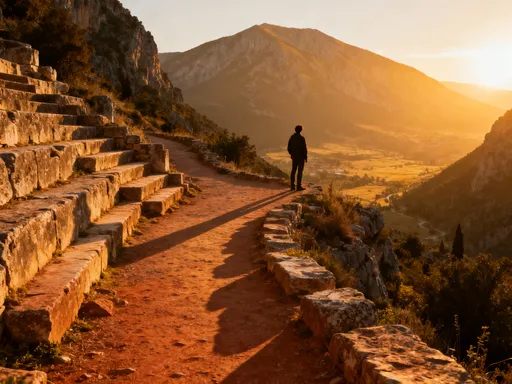
The Sacred Way was the ancient pilgrimage route that led worshippers from the outer sanctuary to the Temple of Apollo. Walking this path today is more than a scenic hike—it’s a physical reenactment of a spiritual journey. The path winds uphill, following the natural contours of the mountain. As you climb, the elevation gain is gradual but steady, and with each turn, the view expands.
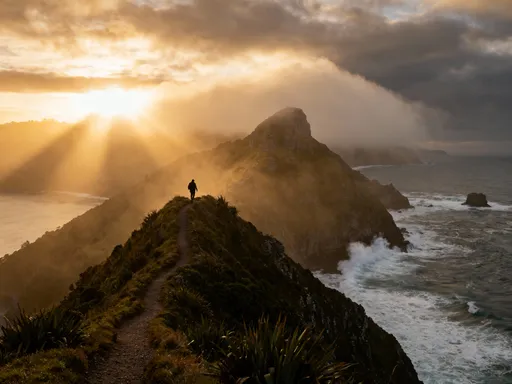
At lower levels, you see the olive groves and the modern village of Delphi nestled in the hills. As you rise, the perspective shifts: the valley opens up, revealing layered ridges that fade into the horizon. On clear days, you can see the entire Gulf of Corinth, a ribbon of blue stretching to the far shore. The higher you go, the more the world seems to fall away, leaving only sky, stone, and the echo of footsteps on ancient flagstones.
There are specific points along the path where the view suddenly opens up, creating a sense of awe. One such moment occurs just after passing the Athenian Treasury, where the path makes a sharp turn to the left. From here, you look directly down the slope, with the theater and stadium below, framed by cypress trees. It’s a view that hasn’t changed much in 2,500 years. The same stones, the same mountains, the same sky.
The physical effort of climbing mirrors the spiritual ascent intended by the ancients. Pilgrims came to Delphi seeking answers, healing, or guidance. The journey itself was part of the process—a way to shed distractions and focus the mind. Today, modern travelers can experience a similar effect. The rhythm of walking, the focus on each step, the awareness of breath and balance—these all contribute to a meditative state. You’re not just seeing the landscape; you’re feeling it in your body. This is slow travel at its most profound: a fusion of movement, memory, and meaning.
Hidden Terraces Above the Modern Village
Beyond the archaeological sites, the modern village of Delphi holds its own quiet treasures. Tucked into the hills above the main road, narrow stone paths lead to residential areas where locals live year-round. These upper lanes are rarely visited by tourists, yet they offer some of the most breathtaking views in the region. With no official signage or marked trails, these spots must be discovered through gentle exploration and respectful curiosity.
One such location is a series of stone-walled terraces behind a cluster of family homes. From here, the westward panorama includes rolling hills, distant peaks, and the shimmering expanse of the Gulf of Corinth. In the late afternoon, the light turns golden, casting long shadows across the fields. It’s a perfect moment for reflection—a time to sit quietly, sip herbal tea, and let the landscape speak.
Another unnamed viewpoint can be found along a footpath that branches off near a small chapel dedicated to Saint John. The path is narrow and slightly overgrown, but safe for careful walking. After a few minutes, it opens onto a flat area where a low stone wall serves as a natural bench. From this vantage, you can see the entire sweep of the valley, with Delphi’s red-tiled roofs below and the mountain rising behind. It’s a view that feels private, almost secret—like a gift from the land itself.
When exploring these areas, it’s essential to be respectful. These are not tourist attractions but people’s homes and gardens. Stay on public paths, avoid loud noises, and never enter private property. A simple nod or smile to a passing resident goes a long way. The beauty of these hidden spots lies not just in the view, but in the sense of connection—to place, to community, to the quiet dignity of everyday life in the mountains.
The Cable Car to Mount Parnassus: A Gateway to Breathtaking Heights
For those seeking even greater elevation, the Arachova-Delphi cable car offers a modern way to experience the grandeur of Mount Parnassus. Located just a short drive from Delphi, this lift was originally built to serve the ski resort of Arachova during winter months. But in recent years, it has become a year-round attraction for hikers, photographers, and nature lovers.
The ride itself takes about ten minutes, ascending from around 1,000 meters to over 1,700 meters above sea level. As the cabin rises, the view transforms dramatically. Below, the green slopes of Delphi fade into a patchwork of forests and rocky outcrops. Ahead, the higher peaks of Parnassus emerge, their rugged faces catching the sunlight. On clear days, you can see all the way to the island of Euboea across the gulf.
At the top station, a network of marked trails leads through alpine meadows and pine forests. Even in summer, the air is cool and refreshing—ideal for a long hike or a peaceful picnic. The panoramic view from the summit area is unmatched: the entire Delphi region lies below like a map, with the sanctuary visible as a cluster of stone ruins on the mountainside. It’s a perspective few ever see, offering a true sense of the site’s geographical and spiritual significance.
Practical notes: the cable car operates year-round, though schedules vary by season. In winter, it runs primarily for skiers; in summer and autumn, it welcomes day visitors. Tickets can be purchased on-site, and there are basic facilities including a small café and restrooms. Hiking boots, water, and a windproof jacket are recommended. While this experience is modern and accessible, it complements the ancient paths beautifully—offering a different kind of reverence for the mountain that has inspired awe for thousands of years.
Closing the Loop: How Viewpoints Shape a Deeper Journey
Each viewpoint in Delphi tells a story—not just of what we see, but of how we see it. The early morning light on the Temple of Apollo speaks of revelation. The quiet terraces above the village whisper of daily life and resilience. The summit of Mount Parnassus offers a god’s-eye view of the world below. Together, these moments form a mosaic of understanding, far richer than any checklist of sites could provide.
What emerges from this kind of travel is not just knowledge, but presence. When you stand on a hidden terrace at sunset, or walk the Sacred Way in silence, you’re not just visiting history—you’re experiencing it. The physical landscape becomes a mirror for the inner journey: the climb represents effort, the view represents reward, the stillness represents clarity.
Delphi was once considered the center of the world—the 'navel of the Earth,' marked by the omphalos stone in the sanctuary. Today, it can still feel like a center, not of geography, but of meaning. In a world that moves too fast, Delphi invites us to slow down, to look closely, to listen. It reminds us that the most profound discoveries are not always found in guidebooks, but in the quiet moments between destinations.
So if you go to Delphi, resist the urge to rush. Stay longer than you planned. Wake up early. Wander without a map. Let the mountain guide you. The ruins are magnificent, yes—but the true magic lies in the spaces between them. It’s in the breath of wind through ancient columns, the warmth of stone under your hand, the silence that follows a distant bell. These are the moments that stay with you, long after you’ve left the path. Delphi doesn’t just show you history. It lets you live it—one quiet, unforgettable view at a time.