You Won’t Believe What We Found Driving Through Barcelona’s Backroads
Driving through Barcelona’s countryside, I stumbled upon something most tourists never see—hidden kitchens serving food so authentic, it feels like a secret. Away from the crowds, these specialty spots blend tradition, flavor, and local pride in ways you can’t imagine. This isn’t just a road trip—it’s a culinary journey that redefines how you experience Spain. And trust me, you’ve gotta taste it to believe it.
Why Self-Driving Unlocks a Different Barcelona
When most travelers think of Barcelona, they picture the winding alleys of the Gothic Quarter, the soaring curves of Gaudí’s Sagrada Família, or the bustling Ramblas lined with street performers and cafés. These are undeniably iconic, but they represent only one layer of Catalonia’s rich cultural tapestry. The deeper, quieter essence of the region lies beyond the city limits, in the rolling hills, coastal inlets, and ancient villages that dot the landscape. To truly experience this hidden side of Catalonia, self-driving is not just convenient—it’s transformative.
Public transportation in Catalonia is reliable and efficient, especially within the city and to nearby towns like Sitges or Girona. However, it follows fixed routes and timetables, limiting spontaneity. Guided tours often prioritize efficiency over immersion, moving groups quickly from one landmark to the next. In contrast, having your own car allows you to follow your curiosity. You can pause at a roadside fruit stand selling sun-warmed peaches, detour to a hilltop village with a view of the Mediterranean, or linger at a family-run winery where the owner offers a tasting straight from the barrel.
One of the most rewarding aspects of driving through rural Catalonia is the access it grants to traditional masias—historic country estates that have been converted into restaurants, guesthouses, or small farms. Many of these are nestled in remote areas, reachable only by narrow roads that wind through olive groves and cork oak forests. Without a car, they remain invisible to most visitors. Yet it is in these places that some of the most authentic Catalan dishes are prepared, often using ingredients harvested just steps from the kitchen door.
Timing also plays a crucial role. With a car, you can align your journey with local rhythms—arriving at a village market on a Saturday morning, catching a festival celebration in full swing, or pulling up to a countryside bistro just as the chef begins roasting suckling pig for the evening meal. These are fleeting moments, impossible to plan in advance but unforgettable when experienced. Self-driving doesn’t just get you from point A to point B; it turns the journey itself into a series of discoveries, each one deepening your connection to the region.
How Specialty Dining Differs from Typical Tourist Eateries
In the heart of Barcelona’s tourist districts, restaurants cater to international palates. Menus are often translated into five languages, dishes are plated for Instagram, and service is fast-paced to accommodate high turnover. While there’s nothing wrong with enjoying a well-made paella near La Barceloneta, these experiences rarely reflect the true depth of Catalan cuisine. Specialty dining, on the other hand, is rooted in place, season, and tradition. It’s not about spectacle—it’s about sustenance, community, and continuity.
Consider the difference between a tapas bar in the city and a village restaurant in the Alt Penedès wine region. In the former, you might order patatas bravas from a pre-made batch, served with a side of aioli from a squeeze bottle. In the latter, you’re handed a wooden tray of hand-cut potatoes, fried in olive oil pressed from local olives, and topped with a spicy tomato sauce made that morning. The aioli is whipped by hand, its garlic bite softened by a touch of warm milk. There’s no menu translation, no online reservation system—just a chalkboard on the wall and a server who greets you like a neighbor.
Many of these specialty spots operate on a seasonal or part-time basis. Some are attached to farms and only open on weekends when the family can spare the time. Others function as social hubs for the village, where elders gather for coffee and cards, and children play in the courtyard after Sunday mass. Meals are served slowly, not because the kitchen is understaffed, but because time is not the enemy. A two-hour lunch is not a luxury—it’s the norm.
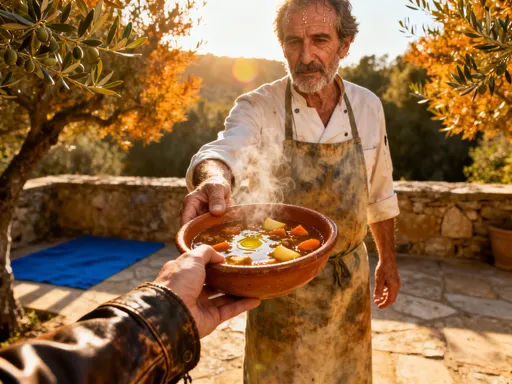
Authenticity in these settings isn’t performative. The chef isn’t trying to impress food critics or earn a Michelin star. They’re cooking the same dishes their parents and grandparents made, using recipes passed down through generations. A pot of caldereta de langosta, a rich lobster stew from the Costa Brava, simmers for hours in a copper pot, its depth of flavor built through patience and care. A plate of botifarra amb mongetes—Catalan sausage with white beans—is served on chipped ceramic plates, the kind that have seen decades of family meals. These are not restaurants designed for tourists. They are places where food is a language, and every bite tells a story.
Choosing the Right Routes for a Flavor-Focused Journey
Not all roads lead to great food, but in Catalonia, many of them do. The key is to choose routes that connect scenic beauty with culinary opportunity. The B-500, which loops around the base of Montserrat mountain, is one such path. As you drive through pine-scented forests and past terraced vineyards, you’ll pass small towns like Olesa de Montserrat and Marganell, where bakeries sell coca de recapte—a savory flatbread loaded with roasted vegetables and anchovies—and family-run cellars offer tastings of Xarel·lo, a white grape native to the region.
Another rewarding route is the C-32, which stretches from Barcelona toward the Costa Brava. This highway transitions into smaller roads as you approach the coast, leading you through towns like Tordera and Sant Feliu de Guíxols. Along this corridor, the landscape shifts from inland farmland to seaside coves, and so does the cuisine. Inland villages specialize in hearty stews and grilled meats, while coastal towns pride themselves on fresh seafood. A stop in L’Escala, for example, offers access to some of the best anchovies in Catalonia, salt-cured and packed in olive oil by local artisans.
For those willing to venture further, the N-260 runs north through the Girona countryside, passing through the heart of truffle country. In winter, some farms open their doors to visitors for truffle hunts, where trained dogs lead you through oak groves in search of the elusive tuber. Afterward, many host small meals featuring truffle-infused dishes—scrambled eggs, risotto, or even truffle honey on toast. These experiences aren’t advertised on major travel sites, but they’re real, legal, and deeply rooted in local tradition.
Timing your journey with seasonal harvests enhances the experience. In spring, the cherry orchards around Berga burst into bloom, and by early summer, the fruit is ripe for picking. Some farms allow visitors to harvest their own cherries and enjoy a picnic on-site. In autumn, the olive harvest brings families together to press oil in ancient mills, some of which still operate using stone wheels turned by mules. Planning your route around these cycles ensures you’re not just observing Catalan culture—you’re participating in it.
Navigating Local Food Culture: Etiquette and Timing
Dining in rural Catalonia is as much about rhythm as it is about flavor. Unlike the fast-paced service common in tourist areas, meals in the countryside unfold slowly, guided by local customs. Lunch, for instance, typically begins between 1:30 and 2:30 p.m., and many restaurants close afterward for a two- to three-hour break. Arriving at noon expecting a quick bite will likely leave you waiting—or locked out. Dinner doesn’t start until 8:30 or 9 p.m., and some places don’t open until then.
Understanding these rhythms is essential to a respectful and enjoyable experience. Showing up too early or demanding immediate service can be seen as rude. Instead, embrace the pace. Use the midday break to explore a nearby trail, visit a local church, or rest in the shade of a centuries-old plane tree. When you do sit down to eat, take your time. Order a glass of house wine, watch the cook through the open kitchen door, and engage with the staff if they’re open to conversation. A simple “Bon profit!” (Enjoy your meal!) in Catalan goes a long way.
Another unspoken rule is the importance of greeting the owner or host. In small village restaurants, the person who takes your order may also be the chef, the sommelier, and the cashier. Acknowledging them with a warm “Bon dia” or “Bona tarda” sets a positive tone. If you’re offered a taste of something not on the menu—a homemade liqueur, a slice of cheese from the back room—it’s a sign of hospitality. Accepting graciously strengthens the connection.
Ordering is also a cultural act. Rather than scanning for familiar dishes, ask what’s fresh that day. In coastal towns, the fisherman may have just delivered the morning’s catch. In the mountains, wild mushrooms or game might be in season. Let the server guide you. You might end up with a steaming bowl of suquet de peix, a fisherman’s stew made with monkfish, potatoes, and garlic aioli, or a plate of escalivada, smoky roasted vegetables served with bread and olive oil. These are the meals that locals eat—not the ones designed for menus.
Must-Try Regional Specialties (And Where to Find Them Legally)
Catalonia’s culinary identity is shaped by its geography. The sea, the mountains, and the farmland each contribute distinct flavors and traditions. Along the coast, seafood dominates. In Arenys de Mar, a working fishing port north of Barcelona, restaurants serve suquet de peix with pride, using fish so fresh it was swimming hours earlier. The stew is thickened with toasted almonds and garlic, giving it a rich, velvety texture. It’s often accompanied by a glass of crisp cava, the region’s famous sparkling wine.
Inland, the cuisine becomes heartier. In the valleys of Osona and Ripollès, escudella i carn d’olla is a winter staple—a robust stew made with beef, pork, chicken, and a large meatball called a pilota, served with potatoes and cabbage. It’s a dish born of necessity, designed to feed large families during cold months. Today, it’s still served in village halls during festivals and on Sundays in family homes. Some rural restaurants offer it on weekends, especially in January during the traditional “mes de l’escudella” celebrations.
The Penedès region, known for its vineyards, also produces excellent cured meats. Botifarra, a spiced pork sausage, comes in many forms—grilled, boiled, or smoked. It’s commonly served with mongetes, tender white beans cooked in olive oil and garlic. In towns like Vilafranca del Penedès, you can visit local markets where butchers sell fresh botifarra alongside other charcuterie. Pair it with a glass of young red wine, and you have a simple yet satisfying meal.
For dessert, Catalonia offers delights like crema catalana, a creamy custard with a caramelized sugar top, and mel i mató, fresh cheese drizzled with honey. In the town of La Seu d’Urgell, near the Pyrenees, you might find formatge de tupí, a rare goat cheese aged in chestnut leaves, its flavor earthy and complex. These specialties aren’t mass-produced. They’re made in small batches, often by artisans who’ve learned their craft from their parents.
All of these dishes can be found in legal, operating establishments accessible by car. While specific restaurant names are avoided here due to variability in availability, the towns mentioned—Arenys de Mar, Vilafranca del Penedès, La Seu d’Urgell—are real and recognized for their culinary heritage. Parking is usually available in village centers, though it may require a short walk. Many places are closed on Mondays or during winter months, so checking locally before traveling is wise.
Balancing Adventure and Practicality on the Road
Self-driving in Catalonia offers freedom, but it also requires preparation. Car rentals are widely available in Barcelona, with major companies operating at the airport and in the city center. Automatic transmission vehicles are in high demand, so booking in advance is recommended. When choosing a car, consider one with GPS navigation, especially if you’re unfamiliar with rural roads. While Google Maps works well in most areas, signal can be spotty in mountainous regions, so downloading offline maps is a smart precaution.
Toll roads, marked with a “T” on maps, are common on highways like the AP-7. These are cashless—payment is made by license plate recognition—so ensure your rental agreement covers toll usage. Fuel stations are plentiful, but in remote villages, they may close on Sundays or holidays. Filling up before heading into the countryside is a practical step.
Parking in medieval towns can be challenging. Many have narrow streets and limited space, with signs clearly marking “Parking Prohibido” zones. Some villages offer public lots just outside the center, with walking access to the main square. Others use time-limited street parking, enforced by attendants. Always check signs carefully to avoid fines.
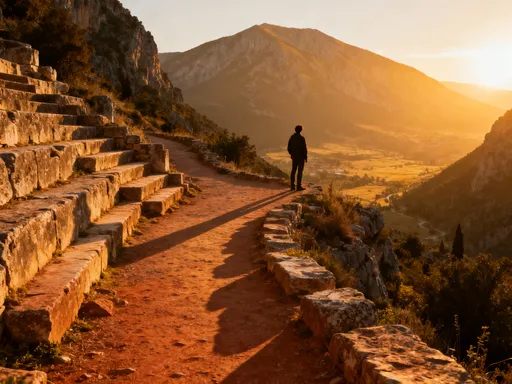
Safety is also important. Rural roads can be winding and steep, especially in the Pyrenees foothills. Drive cautiously, especially in fog or rain. If you’re traveling with children, ensure car seats are properly installed. Above all, stay alert and present. The best moments—the sudden view of a valley bathed in golden light, the smell of rosemary on the breeze, the sound of church bells echoing from a distant steeple—happen when you’re fully engaged in the journey.
Why This Kind of Travel Creates Lasting Memories
Years from now, you may forget the name of the museum you visited or the exact shade of blue in the Mediterranean. But you’ll remember the warmth of the wood-fired oven in a village bakery, the taste of bread still crackling from the heat. You’ll recall the smile of an elderly woman who insisted you try her homemade quince paste, or the way a glass of wine appeared “just because” after you complimented the chef’s stew.
These are the moments that define meaningful travel. They don’t come from checking off landmarks or collecting photos. They arise from connection—between people, place, and tradition. Driving through Barcelona’s backroads in search of authentic food is not just about eating. It’s about slowing down, paying attention, and opening yourself to the unexpected.
In a world where travel often feels rushed and curated, this kind of journey is a quiet rebellion. It says that the best experiences aren’t the most advertised, but the most human. They’re found not in guidebooks, but in the rhythm of daily life—in the way a family gathers around a table, in the pride of a cook who serves what they love.
So take the road less traveled. Rent the car, pack the map, and let Catalonia surprise you. Because sometimes, the most unforgettable meals aren’t served on fine china. They’re eaten on a paper plate, at a wobbly table, in a village you can’t pronounce—but will never forget.