How I Stopped Just Surviving and Started Living Better Every Day
What if small, daily choices could quietly protect your health and boost how you feel every morning? I’m not talking about drastic fixes or miracle cures—just practical, science-backed habits that add up. Over time, these shifts didn’t just lower my risk of illness—they changed my energy, mood, and focus. This is about preventing disease before it starts, not by chasing perfection, but by making sustainable moves that truly fit real life.
The Wake-Up Call: Recognizing Silent Risks
Many women in their 30s, 40s, and 50s believe they are healthy because they don’t feel sick. Yet behind the surface, subtle changes may already be unfolding—elevated blood pressure, rising blood sugar, or persistent fatigue dismissed as “just aging.” These are not normal signs of getting older; they are early warnings. The body communicates through quiet signals: trouble falling asleep, frequent afternoon crashes, or unexplained joint stiffness. These are not random inconveniences but clues pointing to deeper imbalances.
One of the most overlooked contributors to long-term disease is chronic, low-grade inflammation. Unlike acute inflammation from a cut or injury, this type simmers silently, damaging blood vessels, weakening immunity, and disrupting hormone balance. It’s fueled by everyday habits—too much processed food, poor sleep, and constant stress. Research shows this internal state increases the risk of heart disease, type 2 diabetes, and even cognitive decline. The good news is that it’s reversible through lifestyle changes, not medication.
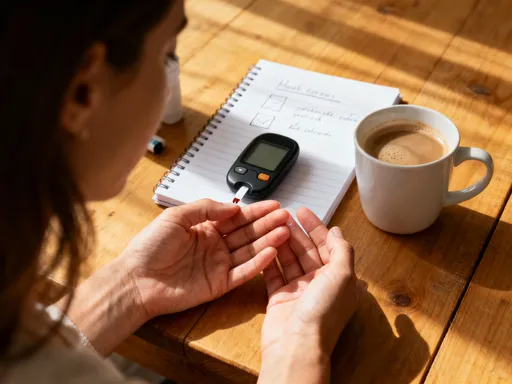
Metabolic health—how well the body processes energy from food—is another silent factor. Insulin resistance, often present years before a diabetes diagnosis, can start with subtle signs like increased belly fat, cravings for sweets, or difficulty losing weight. But because routine checkups may not include advanced metabolic markers, many women remain unaware until a diagnosis forces a reckoning. Awareness is the first step. Recognizing that how you feel today is connected to how you live every day allows you to act before a crisis occurs.
The turning point comes when you shift from reacting to symptoms to proactively supporting your body. This isn’t about fear or obsessing over numbers. It’s about respect—honoring your body’s need for balance, rest, and nourishment. Prevention begins long before a doctor’s visit, in the quiet moments of daily life: choosing water over soda, taking the stairs, pausing to breathe before responding to stress. These small choices build a foundation of resilience.
Movement That Fits: Rethinking Exercise for Real Life
Exercise often feels like another item on an already overwhelming to-do list. For busy women juggling work, family, and household responsibilities, the idea of hour-long gym sessions or intense workouts can feel unattainable. But the truth is, movement doesn’t have to be dramatic to be effective. What matters most is consistency, not intensity. The goal isn’t to train for a marathon but to keep your body functioning well for decades to come.
Daily walking is one of the most powerful tools for long-term health. Just 30 minutes a day can improve circulation, support joint mobility, and enhance mood through the release of endorphins. It doesn’t require special equipment or a gym membership. Whether it’s a morning stroll around the neighborhood, a walk during a lunch break, or an after-dinner circuit of the block, the key is regularity. Over time, walking builds cardiovascular endurance and helps regulate blood sugar, reducing the risk of metabolic disease.
Strength training is equally important, yet often neglected. As women age, muscle mass naturally declines—a process called sarcopenia. This loss affects metabolism, balance, and overall strength. But even two short sessions per week can make a significant difference. Bodyweight exercises like squats, lunges, and wall push-ups can be done at home in 15 minutes. Resistance bands or light dumbbells add variety without requiring a full home gym. The focus should be on form and consistency, not heavy lifting.
Additionally, breaking up long periods of sitting is crucial. Prolonged sedentary behavior is independently linked to higher risks of heart disease and early mortality. Simple strategies—standing while talking on the phone, doing calf raises while brushing teeth, or taking a two-minute stretch break every hour—can counteract the effects of sitting. These micro-movements add up, improving circulation and reducing stiffness. Movement should not feel like a burden; it should feel like a gift to your future self.
Food as Prevention: Eating for Energy and Longevity
Nutrition is not about restriction or chasing the latest diet trend. It’s about giving your body the tools it needs to function optimally. Every bite influences your energy, mood, and long-term disease risk. Instead of focusing on calorie counting or eliminating entire food groups, the most sustainable approach is building meals around whole, minimally processed foods. These foods work with your body, not against it, supporting stable blood sugar, healthy digestion, and lasting energy.
Plants should form the foundation of your plate. Vegetables, fruits, legumes, nuts, and whole grains are rich in fiber, antioxidants, and phytonutrients—natural compounds that protect cells and reduce inflammation. Fiber, in particular, plays a dual role: it slows the absorption of sugar, preventing energy crashes, and feeds beneficial gut bacteria. A healthy gut microbiome is now linked to everything from immune function to mental well-being. Aim to include a variety of colors on your plate—dark greens, reds, oranges, purples—as each color represents different protective compounds.
Protein is another key component, especially for women over 40. It supports muscle maintenance, hormone production, and satiety. Quality sources include eggs, fish, poultry, Greek yogurt, tofu, and lentils. Including a moderate amount of protein at each meal helps prevent overeating and supports metabolic health. Pairing protein with fiber-rich carbohydrates, like beans or quinoa, creates balanced meals that keep you full and focused.
Healthy fats are essential, not enemies. Omega-3 fatty acids, found in fatty fish, walnuts, and flaxseeds, support brain health and reduce inflammation. Monounsaturated fats from olive oil, avocados, and nuts contribute to heart health. These fats also help absorb fat-soluble vitamins like A, D, E, and K. The goal is not to eliminate fat but to choose wisely—replacing processed oils and trans fats with natural, nutrient-dense sources.
Hydration matters too. Water supports every bodily function, from digestion to temperature regulation. Many women mistake thirst for hunger, leading to unnecessary snacking. Drinking water throughout the day, especially before meals, can improve digestion and support weight management. Herbal teas and water-rich foods like cucumbers and melons also contribute to fluid intake. The message is simple: food is not just fuel. It’s information. Every meal sends signals to your cells about what kind of environment they’re in—nourished or stressed.
Sleep: The Overlooked Health Powerhouse
In a culture that often glorifies busyness, sleep is frequently treated as optional—a luxury to be sacrificed for productivity. Yet for long-term health, quality sleep is non-negotiable. It’s during rest that the body repairs tissues, balances hormones, and clears metabolic waste from the brain. Chronic sleep deprivation disrupts insulin sensitivity, weakens immunity, and increases inflammation—all of which raise the risk of chronic disease.
Most adults need seven to nine hours of sleep per night, yet many fall short. The consequences go beyond tiredness. Poor sleep affects decision-making, increases cravings for sugary and high-fat foods, and amplifies stress responses. Over time, this creates a vicious cycle: poor sleep leads to poor choices, which further degrade sleep quality. Breaking this cycle starts with recognizing sleep as a pillar of prevention, not a passive activity.
Creating a sleep-supportive environment begins with routine. Going to bed and waking up at the same time every day—even on weekends—helps regulate the body’s internal clock. This consistency improves sleep quality and makes waking up easier. A calming pre-sleep routine signals the body that it’s time to wind down. This might include dimming the lights, reading a book, or practicing gentle stretching. Avoiding screens for at least an hour before bed is critical, as blue light suppresses melatonin, the hormone that regulates sleep.
The bedroom itself should be a sanctuary for rest. Keep it cool, quiet, and dark. Consider using blackout curtains, a white noise machine, or an eye mask if needed. Reserve the bed for sleep and intimacy only—no work, scrolling, or watching TV. This strengthens the mental association between bed and rest. If you can’t fall asleep after 20 minutes, get up and do something quiet and relaxing until you feel sleepy. Lying in bed frustrated only reinforces anxiety around sleep.
For women navigating perimenopause or menopause, sleep disturbances are common due to hormonal fluctuations. Night sweats, hot flashes, and anxiety can disrupt rest. While these changes are normal, they don’t have to be accepted as inevitable. Cooling bedding, breathable sleepwear, and relaxation techniques can help. Some women find relief through lifestyle adjustments, while others may benefit from medical guidance. The key is to address sleep proactively, not reactively.
Stress Management That Actually Works
Stress is an unavoidable part of life, especially for women managing careers, families, and personal responsibilities. But when stress becomes chronic, it takes a toll on the body. The constant release of stress hormones like cortisol increases blood pressure, suppresses immune function, and contributes to weight gain—particularly around the abdomen. Over time, this wear and tear, known as allostatic load, accelerates aging and increases disease risk.
The solution isn’t to eliminate stress—that’s impossible. It’s to build resilience. The nervous system needs regular opportunities to shift from “fight-or-flight” mode to “rest-and-digest” mode. This reset doesn’t require hours of meditation or expensive retreats. It can happen in moments: a few deep breaths before answering a text, a pause to feel your feet on the ground, or a brief moment of stillness after hanging up the phone.
One of the most effective tools is diaphragmatic breathing—slow, deep breaths that engage the belly. This simple practice activates the vagus nerve, which helps calm the nervous system. Try inhaling for four counts, holding for four, and exhaling for six. Even two minutes of this can reduce anxiety and improve focus. Doing it daily builds a buffer against stress, making you less reactive over time.
Journaling is another practical strategy. Writing down thoughts and feelings helps process emotions and gain perspective. It doesn’t have to be structured—just a few sentences about what’s on your mind. Some women find it helpful to write down three things they’re grateful for each day. This small act shifts attention from what’s wrong to what’s working, fostering a sense of calm and contentment.
Creating daily pauses is essential. These are intentional breaks to check in with yourself. It might be sipping tea mindfully, stepping outside for fresh air, or listening to a favorite song. These moments are not indulgences; they are maintenance for your mental and emotional well-being. Over time, they build emotional resilience, making it easier to handle life’s inevitable challenges without burnout.
Social Connection and Mental Well-Being
Human connection is a fundamental need, yet it’s often undervalued in discussions about health. Strong social ties are linked to lower rates of heart disease, depression, and cognitive decline. Loneliness, on the other hand, is associated with higher inflammation and increased mortality risk—comparable to smoking 15 cigarettes a day. For women who may feel isolated due to empty nesting, relocation, or life transitions, nurturing relationships is a powerful form of prevention.
Connection doesn’t require a large social circle. Even one or two meaningful relationships can provide emotional support and a sense of belonging. Regular check-ins with a close friend, a weekly phone call with a sibling, or a coffee date with a neighbor can make a difference. These interactions don’t have to be long or elaborate—consistency matters more than duration.
Community involvement also strengthens well-being. Volunteering, joining a book club, or participating in a faith-based group fosters purpose and connection. These activities provide structure, reduce isolation, and offer opportunities to contribute—something that enhances self-worth. For women who feel their identity tied to caregiving roles, finding new ways to engage with others can reignite a sense of meaning.
Practicing gratitude strengthens both relationships and mental health. Expressing appreciation—whether through a note, a text, or a simple thank you—deepens bonds and shifts focus toward positivity. Keeping a gratitude journal, where you write down a few things you’re thankful for each day, has been shown to improve mood and life satisfaction over time. These small acts of recognition build emotional resilience and foster a more optimistic outlook.
Mental well-being is not the absence of stress or sadness. It’s the ability to navigate life’s ups and downs with flexibility and self-compassion. By prioritizing connection, you invest in a support system that carries you through difficult times and amplifies joy during good ones. This emotional foundation is just as important as diet and exercise in long-term health.
Building a Sustainable Routine: Small Steps, Big Impact
Lasting change doesn’t come from dramatic overhauls. It comes from small, consistent actions that become habits. The most effective routines are not perfect—they are adaptable, realistic, and integrated into daily life. The key is to start small and build gradually. Trying to change everything at once leads to burnout and discouragement. Instead, focus on one area at a time, allowing each new habit to take root before adding another.
Habit stacking—a technique of linking a new behavior to an existing one—can make adoption easier. For example, if you already drink coffee every morning, use that moment to also step outside for five minutes of fresh air. If you brush your teeth at night, follow it with two minutes of deep breathing. These pairings reduce the mental effort required to start a new habit, increasing the likelihood of success.
Track progress gently, not rigidly. A simple checkmark on a calendar or a brief note in a journal can provide motivation. Celebrate small wins—like choosing a salad over fast food or completing a 10-minute walk—without waiting for major milestones. Each choice reinforces your commitment to well-being.
Be kind to yourself when setbacks occur. Life is unpredictable—illness, travel, or family emergencies will disrupt routines. The goal is not perfection but resilience. When you miss a day, simply begin again the next day. Self-compassion is not a luxury; it’s a necessary part of sustainable change. Women who treat themselves with kindness are more likely to stick with healthy habits long-term.
Finally, remember that prevention is not about fear. It’s about care. It’s about making choices today that allow you to live fully tomorrow—playing with grandchildren, traveling, enjoying hobbies, and feeling strong in your body. These habits are not restrictions; they are investments in a life of vitality and joy.
Preventing disease isn’t about extreme measures—it’s about daily choices that add up. By focusing on movement, food, sleep, and mental well-being, anyone can build a healthier future. These habits aren’t quick fixes, but long-term investments in living well. Always consult a healthcare provider before making major lifestyle changes—this is about support, not replacement, for professional care.