How I Lightened Up: Simple Fasting Meets Daily Movement
Have you ever felt weighed down by complicated health routines? I did—until I discovered how light fasting and gentle daily exercise transformed my energy and mindset. It’s not about extreme diets or grueling workouts. This is real life: sustainable, simple, and surprisingly effective. Let me share how small shifts in eating and movement made a big difference—no magic, just consistency. What began as a quiet experiment out of fatigue became a lasting rhythm that reshaped my days, my choices, and my sense of well-being. This isn’t about perfection. It’s about presence, patience, and practical steps anyone can take.
The Burnout That Started It All
For years, I chased wellness like it was a finish line just beyond reach. I tried every trend: juice cleanses, high-intensity interval training, carb-free weeks, protein shakes for dinner. Each promised quick results, but none delivered lasting change. Instead, I felt more exhausted, more restricted, and more disconnected from my body. The constant tracking, measuring, and disciplining turned health into a chore, not a comfort. I wasn’t living better—I was surviving a self-imposed regime.
The turning point came on an ordinary Tuesday morning. I sat at the kitchen table, staring at a smoothie I didn’t want, dreading the 45-minute workout I felt obligated to do. My energy was low, my motivation was gone, and I realized I had been living in reaction to rules I didn’t even believe in. I wasn’t nourishing myself—I was punishing myself. That moment sparked a quiet rebellion. I asked a simple question: What if health didn’t have to be hard? What if, instead of doing more, I could do less—but better?
From that point, I shifted my focus from intensity to intention. I stopped looking for dramatic transformations and started seeking sustainable rhythms. I wanted something I could maintain during busy weeks, family obligations, and quiet evenings at home. I didn’t need another extreme plan—I needed a gentle reset. That’s when I began exploring the combination of light fasting and daily movement, two practices grounded in simplicity and self-awareness. They weren’t marketed as miracle cures, but they aligned with my growing belief that true well-being comes from consistency, not control.
What Exactly Is Light Fasting?
Light fasting is not about starvation, deprivation, or rigid schedules. It’s a flexible approach to eating that emphasizes timing, awareness, and balance. At its core, it means creating slightly longer gaps between meals—such as a 12- to 14-hour window without food—without pushing the body to extremes. For example, finishing dinner by 7 p.m. and waiting until 9 a.m. the next morning to eat breakfast creates a 14-hour fasting period, allowing the digestive system a longer rest.
Unlike more intense forms of fasting, such as 24-hour fasts or alternate-day fasting, light fasting doesn’t require medical supervision or dramatic lifestyle shifts. It’s designed to fit into real life, not disrupt it. The goal isn’t rapid weight loss or metabolic shock, but rather improved digestion, stabilized energy levels, and enhanced mental clarity. When the body isn’t constantly processing food, it can redirect energy toward cellular repair and regulation, processes that support long-term health.
One of the most empowering aspects of light fasting is its emphasis on listening to the body. It encourages individuals to notice true hunger versus emotional or habitual eating. Over time, this practice fosters a deeper connection with internal cues, reducing mindless snacking and overeating. It’s not about counting calories or eliminating food groups—it’s about creating space between meals to reset appetite and improve metabolic flexibility, the body’s ability to switch between burning glucose and fat for fuel.
For many women in their 30s, 40s, and 50s, this approach resonates deeply. Hormonal shifts, slower metabolism, and increased stress can make traditional dieting feel ineffective or even harmful. Light fasting offers a gentler alternative, one that works with the body rather than against it. It’s not a quick fix, but a gradual recalibration that supports hormonal balance, reduces inflammation, and promotes a more stable mood throughout the day.
Why Pairing It with Movement Makes Sense
Fasting and movement may seem unrelated, but they complement each other in powerful ways. When the body is in a light fasting state—say, several hours after a meal—insulin levels are lower, and fat becomes a more accessible fuel source. Gentle physical activity during this time, such as walking or stretching, can enhance this metabolic shift without straining the body.
Movement also supports circulation, helping nutrients and oxygen reach cells more efficiently. This is especially important during fasting periods when the body is focused on internal maintenance. Improved blood flow aids in the removal of waste products and supports organ function, contributing to clearer thinking and reduced fatigue. Additionally, low-intensity exercise stimulates the release of endorphins, natural mood boosters that can ease the transition into new eating patterns.
Perhaps most importantly, pairing movement with light fasting helps build a positive relationship with the body. Instead of exercising to “earn” food or burn off calories, physical activity becomes a form of self-care—a way to feel strong, grounded, and present. This mindset shift is crucial for long-term success. When movement is no longer tied to punishment or appearance, it becomes sustainable.
Consider the simple act of a 20-minute walk after dinner. This practice not only aids digestion but also helps regulate blood sugar levels, especially beneficial when combined with a fasting window. Similarly, morning stretching or light yoga can awaken the body gently, preparing it for the day without spiking stress hormones. These small actions, when repeated consistently, create a rhythm that supports both physical and emotional well-being.
My Simple Daily Movement Plan
I knew I couldn’t commit to long gym sessions or complex routines. My goal was integration, not disruption. So I built a movement plan that required no special equipment, no membership, and no perfect conditions. It was designed to fit into the spaces I already had—early mornings, lunch breaks, quiet evenings.
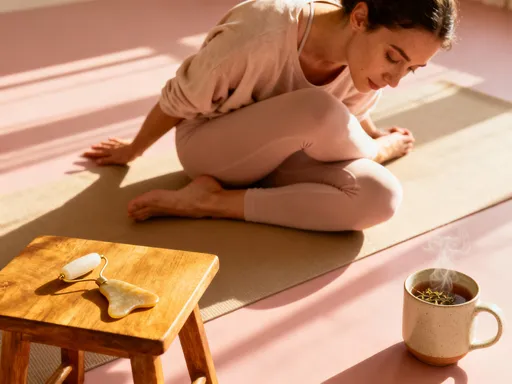
My day begins with 10 minutes of mobility exercises. I stand barefoot on a mat and move slowly through shoulder rolls, neck stretches, spinal twists, and gentle lunges. This isn’t about pushing limits—it’s about waking up the body, releasing tension, and setting a calm tone for the day. I often do this while listening to soft music or the sounds of morning birds, turning it into a mindful ritual rather than a workout.
Later, I take two 20-minute walks—one in the morning and one in the late afternoon. The first walk is usually around the neighborhood, often with a podcast or audiobook. The second is more meditative, a chance to observe nature, reflect on the day, or simply breathe. I wear comfortable shoes and dress for the weather, making it easy to step outside without hesitation. On rainy days, I walk indoors—at a mall, community center, or even around the house in loops.
Twice a week, I add a short strength session. Using only my body weight, I do modified squats, wall push-ups, and seated leg lifts. Each session lasts about 15 minutes and focuses on form, not speed or repetition. I don’t track progress with numbers—I notice how my body feels. Am I steadier? Do stairs feel easier? Is my posture improving? These subtle signs tell me the routine is working.
The timing of my movement aligns with my fasting window. I avoid intense activity during peak fasting hours, choosing instead to move when my energy is naturally higher—mid-morning and late afternoon. This prevents fatigue and supports consistency. I’ve learned that rhythm matters more than rigor. Showing up, even for a few minutes, builds momentum over time.
What Changed—And What Didn’t
After several months of combining light fasting with daily movement, the changes were real—but not what I expected. I didn’t lose 20 pounds or achieve a dramatic physical transformation. What I gained was something deeper: steady energy throughout the day, fewer afternoon crashes, and improved sleep quality. I wake up feeling rested, not drained. My digestion has become more regular, and I no longer feel bloated after meals.
One of the most surprising shifts was mental. I stopped obsessing over food. I no longer plan my next meal while eating the current one. Instead, I eat when I’m hungry and stop when I’m full. This simple awareness has reduced stress around eating and eliminated the guilt that used to follow occasional indulgences. Food is no longer the center of my attention—it’s just one part of a balanced life.
I’ve also developed a greater sense of body awareness. I notice how different foods affect my energy. I feel the difference between true hunger and emotional craving. I’ve learned to honor rest when needed, rather than pushing through fatigue. These small insights have led to more confident decision-making, not just around health, but in other areas of life.
What didn’t change was my need for patience. Results didn’t come overnight. There were weeks when I skipped walks, ate late, or felt discouraged. But the practice wasn’t about perfection—it was about showing up, again and again. Over time, the habits became automatic, less like chores and more like natural expressions of self-respect.
Common Missteps (And How to Avoid Them)
Even with a simple plan, challenges arise. One of the most common mistakes is overdoing it—adding too much movement too soon or shortening the eating window too drastically. I learned this the hard way when I tried to extend my fast to 16 hours and added extra walks. Within days, I felt irritable, tired, and disconnected from my body. The solution wasn’t to push harder, but to step back.
Now, I listen closely to my body’s signals. If I feel dizzy, overly hungry, or unusually fatigued, I adjust. I might eat a small snack, shorten my walk, or take a rest day. Hydration is another key factor. I make sure to drink plenty of water, herbal tea, or electrolyte-infused beverages during fasting periods to maintain energy and prevent headaches.
Another misstep is turning flexibility into rigidity. It’s easy to start treating light fasting like a strict rulebook—“I must fast 14 hours” or “I must walk every single day.” But life happens. Travel, family events, illness—these moments require adaptability. I’ve learned to view my routine as a guide, not a demand. Missing a walk or eating earlier than planned doesn’t mean failure. It means I’m living in the real world.
To stay on track, I focus on patterns, not single days. If I’m consistent most days, occasional deviations don’t derail progress. I also avoid comparing myself to others. What works for one person may not work for another. The goal is personal sustainability, not external validation.
Making It Your Own: A Realistic Approach
The beauty of this approach lies in its adaptability. There is no single “right” way to practice light fasting or daily movement. Some may prefer a 12-hour fasting window, while others find 14 hours more comfortable. Some may enjoy walking, while others prefer gardening, dancing, or swimming. The key is to choose what fits your life, not what fits someone else’s ideal.
If you’re new to this, start small. Try a 12-hour fast—finish dinner by 8 p.m. and wait until 8 a.m. to eat. Add one 15-minute walk three times a week. Notice how your body responds. After a few weeks, you can adjust the timing or add more movement if it feels right. The goal is progress, not perfection.
Consider your daily rhythm. Are you a morning person? Try moving earlier in the day. Do you have more energy in the evening? Schedule your walk after dinner. Do you care for children or elderly parents? Involve them—take a family walk, stretch together, or do seated exercises while watching TV. Health doesn’t have to be isolated—it can be woven into the fabric of your relationships.
Remember, this isn’t about achieving a certain look or reaching a number on the scale. It’s about feeling more alive, more present, and more in tune with yourself. It’s about creating a daily practice that supports your long-term well-being, not a short-term fix that burns out. When health becomes a gentle companion rather than a demanding taskmaster, it becomes sustainable.
Consistency, not intensity, is the foundation of lasting change. Small actions, repeated over time, create powerful results. You don’t need to overhaul your life to feel better. You just need to start where you are, use what you have, and do what you can. The journey to well-being isn’t about grand gestures—it’s about quiet, daily commitments to yourself.