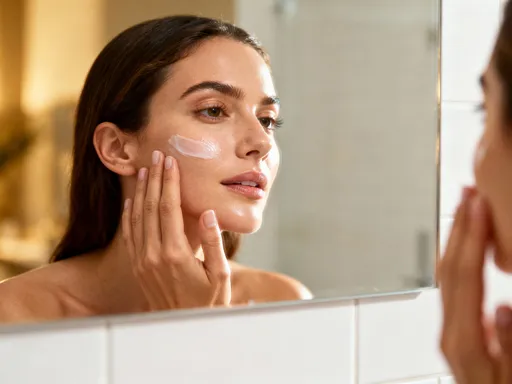
Glow Up from Within: How I Revived My Skin After Years of Damage
You know that dull, tired look when your skin just won’t cooperate, no matter what you try? I’ve been there—struggling with breakouts, dryness, and irritation long after I thought I’d figured it out. What changed wasn’t a miracle product, but a complete shift in how I approached skincare. It wasn’t just about surfaces; it was healing. This is the real talk on how comprehensive care transformed my skin from damaged to glowing—naturally, steadily, and sustainably.
The Wake-Up Call: Recognizing Skin Damage Beyond the Surface
For years, the mirror reflected more than just a tired face—it showed a pattern of persistent redness, flaky patches, and an uneven tone that no amount of concealer could truly fix. At first, these were dismissed as seasonal changes or stress-related flare-ups. But when the issues lingered, the discomfort grew, and over-the-counter solutions only offered temporary relief, it became clear: something deeper was wrong. Skin problems are rarely just cosmetic. They are often signals—quiet warnings from the body that balance has been lost.
Common signs of skin damage include persistent dryness, frequent sensitivity, visible capillaries, recurring breakouts, and a lack of radiance. These aren’t random occurrences. They point to a compromised skin barrier, the outermost layer that protects against environmental aggressors and retains moisture. When this barrier is weakened, the skin loses its ability to defend and repair itself, making it vulnerable to irritation, infection, and premature aging.
The real turning point came with awareness. It wasn’t just about what was happening on the surface, but what had led to it. Years of over-cleansing with harsh soaps, using too many active ingredients like acids and retinoids without proper recovery, combined with irregular sleep and a diet high in processed foods, had taken a cumulative toll. Each habit, seemingly small on its own, contributed to a larger imbalance. Treating symptoms with stronger products only worsened the cycle. The lesson? Skincare isn’t about covering flaws—it’s about understanding root causes and supporting the body’s natural ability to heal.
What Is Skin Rehabilitation? Rethinking Skincare as Healing
Skin rehabilitation is not a trendy term or a marketing gimmick. It is a shift in mindset—from chasing perfection to fostering resilience. Unlike quick-fix solutions that promise instant results, skin rehabilitation focuses on restoring the skin’s core functions: protection, hydration, regeneration, and defense. It treats the skin not as a canvas to be painted over, but as a living organ that requires nourishment, rest, and time to recover.
At its foundation, skin rehabilitation supports three key biological processes. First, it strengthens the skin barrier by replenishing lipids like ceramides, cholesterol, and fatty acids—components that form a protective shield against moisture loss and irritants. Second, it promotes balanced cell turnover, allowing old, damaged cells to shed naturally while supporting the growth of healthy new ones. Third, it reduces chronic inflammation, a silent driver of many skin concerns, from redness to accelerated aging.
This approach doesn’t rely on aggressive treatments or extreme routines. Instead, it emphasizes consistency, gentleness, and patience. The goal is not to strip, resurface, or force change, but to create conditions where the skin can heal itself. Think of it like physical therapy for the skin—structured, intentional, and focused on long-term recovery. Just as a sprained ankle needs rest and support, not more strain, damaged skin thrives when irritation is minimized and repair is prioritized.
Reframing skincare as healing transforms the relationship with one’s routine. It moves away from frustration and comparison toward self-awareness and care. It’s not about achieving a flawless complexion overnight, but about building a foundation where the skin can function optimally. When the focus shifts from appearance to health, the results—calmer texture, improved tone, natural glow—follow as a natural outcome of internal restoration.
The Root Causes: What’s Really Damaging Your Skin
Understanding what harms the skin is the first step toward reversing damage. While genetics play a role, lifestyle and environmental factors are often the primary culprits behind long-term skin concerns. These triggers work silently, accumulating over time until symptoms become impossible to ignore. Recognizing them is essential to breaking the cycle of damage and beginning true recovery.
One of the most significant contributors is UV exposure. Even on cloudy days, ultraviolet rays penetrate the skin, generating free radicals—unstable molecules that damage collagen and elastin, the proteins responsible for firmness and elasticity. This leads to fine lines, sagging, and hyperpigmentation. Sun damage is cumulative, meaning every unprotected moment adds to the total burden, often showing up years later as premature aging.
Pollution is another silent aggressor. Airborne particles like soot, ozone, and heavy metals settle on the skin, triggering oxidative stress and inflammation. Studies have shown that prolonged exposure to urban pollution is linked to increased dullness, enlarged pores, and uneven texture. These particles can also disrupt the skin’s microbiome, the delicate balance of beneficial bacteria that help maintain barrier integrity.
Skincare habits themselves can be damaging when misapplied. Over-cleansing, especially with foaming or alkaline products, strips away natural oils, weakening the moisture barrier. Over-exfoliation—using scrubs, acids, or retinoids too frequently—removes too many layers of skin cells, leaving the surface raw and vulnerable. Many people believe that if a product tingles or causes redness, it’s “working,” but in reality, these are signs of irritation, not efficacy.
Internal factors are equally powerful. Chronic stress elevates cortisol, a hormone that increases oil production and inflammation, often leading to breakouts and sensitivity. Poor sleep disrupts the skin’s nightly repair cycle, reducing collagen synthesis and impairing barrier recovery. Diets high in sugar and refined carbohydrates can trigger glycation, a process where sugar molecules attach to proteins, making them stiff and less functional—this affects both skin structure and resilience.
When these factors combine, the result is a skin system under constant siege. The body’s natural repair mechanisms become overwhelmed, and the visible signs—dullness, redness, texture changes—emerge as evidence of systemic imbalance. Healing begins not by adding more products, but by removing or reducing these stressors, allowing the skin to reset and recover.
Nutrition as Foundation: Feeding Your Skin from the Inside
The saying “you are what you eat” holds profound truth when it comes to skin health. While topical products play a role, the foundation of radiant, resilient skin is built from within. Every cell in the body, including those in the epidermis and dermis, relies on nutrients to function, repair, and regenerate. Without proper nourishment, even the most carefully curated skincare routine will fall short.
Key nutrients have direct, scientifically supported roles in skin repair. Omega-3 fatty acids, found in fatty fish like salmon, flaxseeds, and walnuts, are essential for maintaining the skin’s lipid barrier. They reduce inflammation, support moisture retention, and help prevent conditions like eczema and dryness. Antioxidants—such as vitamins C and E, selenium, and polyphenols—neutralize free radicals caused by UV exposure and pollution, protecting collagen and preventing oxidative damage.
Vitamin A, in its natural forms like beta-carotene from carrots and sweet potatoes, supports cell turnover and helps prevent clogged pores. Zinc, found in pumpkin seeds, lentils, and shellfish, plays a critical role in wound healing and immune function, helping to calm breakouts and support barrier repair. B vitamins, particularly biotin and niacinamide, contribute to skin elasticity and help regulate oil production.
Hydration is equally vital. Water makes up a significant portion of skin cells, and even mild dehydration can lead to dryness, flakiness, and a lackluster appearance. Drinking enough water throughout the day helps plump skin cells, supports detoxification, and aids in nutrient transport. Herbal teas, water-rich fruits like cucumber and watermelon, and soups also contribute to overall hydration.
The focus should be on whole, minimally processed foods. A diet rich in colorful vegetables, leafy greens, healthy fats, lean proteins, and whole grains provides a broad spectrum of nutrients that work synergistically to support skin health. There is no need for expensive supplements or restrictive diets—consistent, balanced eating habits yield the most sustainable results.
It’s also important to recognize how food sensitivities can affect the skin. For some individuals, dairy, gluten, or high-sugar foods may trigger inflammation, leading to breakouts or flare-ups of conditions like rosacea. While not universal, paying attention to how the skin responds to certain foods can provide valuable insights. Keeping a simple food and skin journal can help identify patterns without resorting to elimination diets or unproven tests.
Nutrition is not a quick fix, but a long-term investment. The skin renews itself approximately every 28 days, so changes take time. But with consistent nourishment, the results become visible: a more even tone, reduced redness, improved texture, and a natural glow that no filter can replicate.
Gentle Routine Reset: The Daily Habits That Support Recovery
When the skin is damaged, the instinct is often to do more—to add more products, try stronger treatments, or scrub away imperfections. But the truth is, less is often more. A gentle, simplified routine is one of the most effective ways to support skin rehabilitation. The goal is not to aggressively treat, but to create a stable environment where healing can occur.
The first step is choosing the right cleanser. Harsh, foaming formulas with high pH levels can disrupt the skin’s natural acidity, which is slightly acidic (around 4.5 to 5.5) to protect against bacteria and maintain barrier function. A pH-balanced, creamy, or milky cleanser removes dirt and oil without stripping essential lipids. Washing with lukewarm water—never hot—prevents further irritation and preserves moisture.
Moisturizing is not optional, even for oily skin. A well-formulated moisturizer containing ceramides, hyaluronic acid, and cholesterol helps rebuild the skin barrier, locking in hydration and shielding against environmental stressors. These ingredients mimic the skin’s natural lipid matrix, making them highly effective and well-tolerated, even by sensitive skin types.
Sunscreen is non-negotiable. Daily use of a broad-spectrum SPF 30 or higher prevents further UV damage and allows the skin to focus on repair rather than defense. Mineral sunscreens with zinc oxide or titanium dioxide are often better tolerated by compromised skin, as they sit on the surface and reflect UV rays without penetration.
Actives like retinoids, acids, and vitamin C should be introduced slowly, if at all, during the recovery phase. For skin that is already irritated or sensitized, these ingredients can delay healing. It’s better to wait until the barrier is stronger and inflammation is under control before incorporating them, and even then, to use them sparingly and with care.
Consistency matters more than complexity. A routine with just three steps—gentle cleanse, hydrate, protect—can be more effective than a ten-step regimen filled with conflicting ingredients. The skin thrives on predictability. Applying products at the same times each day, avoiding over-washing, and resisting the urge to pick or touch the face all contribute to a stable healing environment.
Texture and application matter too. Patting products in gently, rather than rubbing, minimizes friction. Using clean hands or soft tools prevents the spread of bacteria. Changing pillowcases regularly and keeping phones and masks clean reduces exposure to dirt and oil that can clog pores.
This reset is not about deprivation, but about intention. Each step is chosen to support, not challenge, the skin. Over time, this approach builds trust—between the individual and their skin, and between daily habits and long-term results.
Lifestyle Leverage: Sleep, Stress, and Environmental Protection
Skin health is deeply intertwined with overall well-being. No amount of topical care can fully compensate for poor sleep, chronic stress, or constant environmental exposure. These lifestyle factors influence the skin at a cellular level, affecting everything from inflammation to regeneration.
Sleep is when the skin performs its most critical repair work. During deep sleep, blood flow to the skin increases, delivering oxygen and nutrients that support collagen production and cell renewal. Growth hormone, which aids in tissue repair, is also released primarily at night. When sleep is disrupted or insufficient, this cycle is impaired, leading to dullness, puffiness, and slower healing of blemishes.
Chronic stress has a similarly profound impact. Elevated cortisol levels increase sebum production, making the skin more prone to clogged pores and breakouts. Stress also weakens the immune response, making the skin more vulnerable to irritation and infection. Over time, it can even accelerate the breakdown of collagen, contributing to fine lines and loss of firmness.
Managing stress doesn’t require drastic changes. Simple practices like mindful breathing, gentle stretching, or a short walk in nature can lower cortisol and improve mood. Reducing screen time before bed, creating a calming evening routine, and setting boundaries around work and digital use all contribute to better mental and physical balance.
Environmental protection extends beyond sunscreen. Wearing wide-brimmed hats, sunglasses, and protective clothing during peak sun hours (10 a.m. to 4 p.m.) adds a physical barrier against UV rays. In polluted areas, cleansing the skin at the end of the day removes accumulated particles. Using a humidifier in dry indoor environments helps prevent moisture loss, especially during winter months.
Air quality matters too. Indoor pollutants like dust, pet dander, and volatile organic compounds from cleaning products can irritate sensitive skin. Regularly cleaning air filters, using natural cleaning solutions, and incorporating houseplants known for air purification—like spider plants or peace lilies—can improve the home environment.
These lifestyle adjustments may seem small, but their cumulative effect is significant. They don’t promise instant transformation, but they create the conditions for lasting change. When the body is rested, calm, and protected, the skin reflects that inner stability with clarity, resilience, and vitality.
Tracking Progress and Staying Consistent: The Long Game of Skin Health
One of the greatest challenges in skin rehabilitation is patience. Unlike fast-acting treatments that deliver immediate—but often temporary—results, true healing unfolds slowly. Changes may be subtle at first: a reduction in morning tightness, less frequent redness, or smoother texture after a few weeks. These quiet improvements are easy to overlook, but they are signs that the skin is regaining strength.
Tracking progress can help maintain motivation. Taking weekly photos under consistent lighting allows for objective comparison over time. Keeping a simple journal to note how the skin feels—hydrated, calm, reactive—can reveal patterns linked to diet, sleep, or product use. Celebrating small wins, like going a full week without irritation, reinforces positive behavior.
Consistency is the cornerstone of success. Skin cells turn over gradually, and barrier repair takes weeks, not days. Skipping sunscreen, reintroducing harsh products too soon, or reverting to old habits can undo progress. The key is to view skincare as a long-term practice, not a short-term project.
It’s also important to let go of perfection. Skin will have good days and bad days. Hormonal shifts, seasonal changes, or occasional stress are normal and do not mean failure. Self-compassion is essential. Treating the skin with kindness—even on difficult days—builds a healthier relationship with one’s body.
If concerns persist despite consistent care, consulting a dermatologist or licensed skincare professional is recommended. They can help identify underlying conditions like rosacea, eczema, or hormonal imbalances that may require medical treatment. Professional guidance ensures that efforts are effective and safe.
The journey to healthier skin is not about achieving flawlessness. It’s about building resilience, understanding one’s body, and making choices that support long-term well-being. When viewed this way, skincare becomes less about appearance and more about self-respect.
Conclusion: Skin That Works—And How to Keep It That Way
True skin health is not defined by perfection, but by function. Resilient, well-nourished skin doesn’t just look better—it feels better. It can withstand environmental challenges, recover from irritation, and maintain balance over time. The transformation from damaged to glowing skin is not the result of a single product or trend, but of a holistic, intentional approach that honors the body’s natural processes.
The path to recovery involves recognizing damage for what it is—an invitation to reassess habits, prioritize self-care, and support healing from within. It requires patience, consistency, and a shift in perspective: from fixing flaws to nurturing health. Nutrition, gentle routines, restful sleep, stress management, and environmental awareness all play vital roles.
There is no shortcut, but the rewards are lasting. A complexion that glows not from coverage, but from vitality. Confidence that comes not from hiding imperfections, but from knowing the skin is strong. This is the essence of real beauty—deep, sustainable, and rooted in care.
Maintaining this balance means continuing the habits that brought healing. It means choosing kindness over aggression, consistency over intensity, and long-term health over quick fixes. The skin, like the body, thrives on stability and respect. When cared for with understanding and patience, it repays the effort with resilience, radiance, and a quiet, enduring glow.