Glow Up Without the Guesswork: My Skin Journey That Changed Everything
Skincare can feel overwhelming—especially when you're just starting out. I used to stare at my reflection, frustrated by dullness and breakouts, not knowing where to begin. But over time, I discovered simple, science-backed habits that transformed not just my skin, but how I feel every day. This isn’t about perfection; it’s about progress, confidence, and treating yourself with care. The journey wasn’t flashy or fast, but it was real. Small choices—like washing my face gently, staying hydrated, and wearing sunscreen daily—added up in ways I never expected. Today, my skin feels stronger, calmer, and more resilient. More importantly, I’ve learned to see skincare not as a chore, but as a quiet act of self-respect. Here’s how small changes made a big difference.
The Skin Struggle Is Real (And You’re Not Alone)
Many women wake up each morning and immediately scan their reflection for changes—red patches, dry spots, or a surprise breakout. It’s a familiar ritual, one filled with quiet judgment and frustration. If this sounds like you, know this: you are not alone. Millions of adults, especially women over 30, face similar concerns. The desire for clearer, healthier-looking skin is not about vanity; it’s about feeling like your best self in your own body. For years, I battled with uneven texture and occasional flare-ups, often triggered by stress, seasonal shifts, or hormonal changes. I tried everything—expensive creams, trendy oils, and complicated regimens—only to feel more confused and discouraged.
One of the biggest hurdles for beginners is the sheer volume of information—and misinformation—available. Walk into any beauty store or scroll through social media, and you’ll see endless promises: “instant glow,” “wrinkle-free in a week,” or “dermatologist-approved miracle formula.” These claims can be misleading, especially when they’re not backed by science. Many products are marketed aggressively but lack the research to support their benefits. This noise makes it difficult to know what truly works and what’s just a passing trend. As a result, people often end up overloading their skin with too many active ingredients, leading to irritation, sensitivity, or even worsening breakouts.
But here’s the truth: healthy skin doesn’t mean flawless skin. Dermatologists agree that no one has a completely perfect complexion. What matters more is resilience, balance, and comfort. Healthy skin can still have occasional dryness, minor blemishes, or temporary redness—it’s how your skin recovers and maintains its protective function that counts. Instead of chasing an unattainable ideal, the focus should shift toward consistency, understanding your skin’s needs, and building a sustainable routine. This mindset shift—from perfection to progress—is where real transformation begins.
Moreover, skin concerns are deeply tied to emotional well-being. Feeling self-conscious about your appearance can affect your confidence, mood, and even how you engage with others. A simple comment about your complexion—whether from yourself or someone else—can linger in your mind. That’s why treating your skin with kindness isn’t just about appearance; it’s a form of self-respect. When you care for your skin, you’re also sending a message to yourself: I am worth the time, attention, and effort. This emotional component is often overlooked but plays a crucial role in long-term success.
What Exactly Is “Healthy Skin”? (Hint: It’s More Than Looks)
When we talk about healthy skin, it’s easy to think only of smoothness or brightness. But true skin health goes far beyond surface-level appearance. At its core, healthy skin functions well: it retains moisture, defends against environmental aggressors like pollution and UV rays, and repairs itself efficiently. It feels comfortable—neither tight nor greasy—and maintains an even tone and texture over time. Think of it as strong, resilient, and balanced rather than poreless or airbrushed. These qualities are achievable for most people, regardless of age or skin type, with consistent, thoughtful care.
One of the most important concepts in skincare is the skin barrier. Though it sounds technical, it’s actually simple to understand. Imagine your skin as a brick wall. The skin cells are the bricks, and the natural oils and lipids between them are the mortar. Together, they form a protective shield that keeps moisture in and irritants out. When this barrier is intact, your skin feels soft, calm, and hydrated. But when it’s compromised—due to harsh cleansers, over-exfoliation, or environmental stress—your skin becomes vulnerable. Signs of a weakened barrier include redness, stinging, flakiness, and increased sensitivity. Restoring it isn’t about using more products; it’s about using the right ones and giving your skin time to heal.
Skin health is also deeply connected to internal factors. What you eat, how much water you drink, how well you sleep, and how you manage stress all influence your complexion. For example, dehydration can make fine lines more noticeable and your skin look dull. Poor sleep disrupts the body’s natural repair cycle, slowing down cell turnover and weakening the skin’s ability to recover. Chronic stress increases cortisol levels, which can trigger inflammation and lead to breakouts or flare-ups of conditions like rosacea or eczema. Therefore, skincare isn’t just a topical practice—it’s part of a larger lifestyle that supports overall well-being.
A helpful metaphor is to think of your skin like a garden. You wouldn’t expect flowers to thrive in poor soil, without water or sunlight. Similarly, your skin needs the right foundation to flourish. Nourishing it from within—through balanced nutrition, hydration, and rest—creates the conditions for lasting radiance. Topical products are like tools: they help maintain, protect, and enhance, but they can’t compensate for neglect elsewhere. By viewing skincare as a holistic practice, you move beyond quick fixes and build a routine that supports your skin for years to come.
Why Beginners Get Overwhelmed (And How to Avoid the Trap)
The modern skincare landscape is crowded, loud, and often misleading. Social media platforms are filled with influencers promoting 10-step routines, viral serums, and “must-have” gadgets. While some of these products may be effective, many are unnecessary for the average person. The pressure to follow complex regimens can be overwhelming, especially when results aren’t immediate. This constant exposure creates a sense of inadequacy—like you’re doing something wrong if your routine isn’t elaborate enough. But the truth is, more steps don’t always mean better results. In fact, over-treating your skin can do more harm than good.
One of the most common mistakes beginners make is introducing too many active ingredients at once. For instance, combining a vitamin C serum, retinol, and an exfoliating acid can strip the skin’s natural barrier, leading to irritation, dryness, or even breakouts. Skin needs time to adjust to new products, and layering too many actives too quickly prevents it from adapting. Additionally, not all products are compatible. Some ingredients, like benzoyl peroxide and retinoids, can cancel each other out or increase sensitivity when used together. Without proper knowledge, it’s easy to fall into the trap of product overload, spending money on items that don’t work—or worse, damage your skin.
Another issue is the lack of personalization. What works for one person may not work for another. Skin types vary—oily, dry, combination, sensitive—and so do concerns like acne, aging, or hyperpigmentation. A product that gives someone else a “glow” might irritate your skin or clog your pores. Instead of chasing trends, it’s more effective to start with your unique needs and build slowly. Listen to your skin’s signals: if it feels tight, it may need more moisture; if it’s breaking out, it might be reacting to an ingredient or over-cleansing.
The solution is simplicity. Dermatologists often recommend a minimalist approach for beginners: a gentle cleanser, a moisturizer, and sunscreen. These three steps form the foundation of any effective routine. Once your skin is stable and responding well, you can consider adding targeted treatments—but only one at a time, and with patience. This method reduces risk, saves money, and allows you to see what actually works. Skincare is not a race; it’s a personal journey that requires observation, adjustment, and consistency.
The Foundation: Three Habits That Actually Work
If there were only three skincare habits to focus on, they would be gentle cleansing, daily moisturizing, and consistent sun protection. These are not glamorous or trendy, but they are scientifically proven to support long-term skin health. Unlike flashy serums or high-tech devices, these basics address the core needs of every skin type. They protect the skin barrier, maintain hydration, and prevent premature aging. When practiced consistently, they create a strong foundation that makes other products more effective—or even unnecessary.
Gentle cleansing is the first and most essential step. Your skin is exposed to pollutants, sweat, and makeup every day, so removing buildup is important. However, many cleansers on the market are too harsh, stripping away natural oils and disrupting the skin barrier. Look for a fragrance-free, non-foaming formula that cleanses without leaving your skin feeling tight or dry. Washing your face with hot water can also be damaging, so use lukewarm water instead. Cleansing twice a day—morning and night—is usually sufficient. Over-washing can trigger oil production and irritation, especially in dry or sensitive skin types.
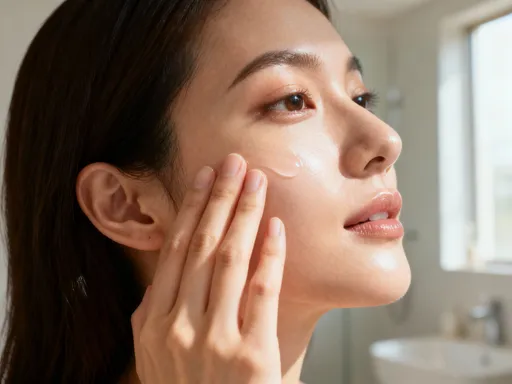
Daily moisturizing is often misunderstood. Some people believe that oily skin doesn’t need moisture, but that’s a myth. All skin types require hydration to function properly. When skin lacks moisture, it can overproduce oil to compensate, leading to clogged pores and breakouts. A good moisturizer helps lock in water, supports the skin barrier, and improves texture over time. Choose a formula suited to your skin type: lighter lotions for oily skin, richer creams for dryness. Applying moisturizer to damp skin—right after cleansing—helps seal in hydration. This simple habit not only improves comfort but also strengthens your skin’s natural defenses.
Sun protection every single day is non-negotiable. UV exposure is the leading cause of premature aging, including fine lines, dark spots, and loss of elasticity. Even on cloudy days or during winter, up to 80% of UV rays can penetrate the skin. Sunscreen isn’t just for beach days—it should be part of your daily routine, rain or shine. A broad-spectrum SPF 30 or higher is recommended. Apply it as the last step in your morning skincare, and reapply every two hours if you’re outdoors. Wearing a wide-brimmed hat or seeking shade adds extra protection. Over time, consistent sun protection prevents cumulative damage and keeps your skin looking younger, longer.
What to Add (And When): Simple Upgrades for Real Results
Once your skin is comfortable with the basics, you can consider adding targeted treatments. These are not required for everyone, but they can address specific concerns like dullness, uneven tone, or early signs of aging. The key is to introduce them gradually and one at a time. This allows you to monitor how your skin reacts and avoid overwhelming it. Jumping into multiple actives at once increases the risk of irritation and makes it difficult to identify what’s working—or causing problems.
One of the most effective additions is exfoliation. Over time, dead skin cells accumulate on the surface, leading to a dull, rough texture. Exfoliating helps remove this buildup, revealing smoother, brighter skin underneath. There are two types: physical (scrubs) and chemical (acids like AHAs or BHAs). Chemical exfoliants are often gentler and more effective, especially for sensitive skin. However, they should not be used daily. Once or twice a week is usually enough. Over-exfoliating can damage the skin barrier, causing redness and sensitivity. Always follow with moisturizer and sunscreen, as exfoliated skin is more vulnerable to UV damage.
Another valuable addition is a serum. Serums are lightweight, concentrated formulas that deliver active ingredients deeper into the skin. Popular options include vitamin C for brightness, hyaluronic acid for hydration, and niacinamide for redness and pore appearance. When choosing a serum, look for one that addresses your main concern and contains proven ingredients. Start by applying a few drops every other night, then increase frequency if your skin tolerates it. Avoid using multiple serums at once, especially those with strong actives like retinol or acids, until you understand how your skin responds.
Eye care is another optional but beneficial step. The skin around the eyes is thinner and more delicate, making it prone to dryness and fine lines. A gentle eye cream can help hydrate and protect this area. Look for formulas with ingredients like peptides, ceramides, or caffeine, which support firmness and reduce puffiness. However, if your regular moisturizer works well and doesn’t irritate your eyes, you may not need a separate product. The goal is to support, not over-treat.
It’s important to manage expectations. Skincare results take time—usually several weeks to months. Unlike makeup, which gives instant coverage, skincare works gradually at the cellular level. Track changes over time by taking monthly photos under the same lighting. Be patient and avoid chasing quick fixes. The most lasting improvements come from consistency, not intensity.
Beyond the Bathroom Mirror: How Skincare Lifts Your Whole Life
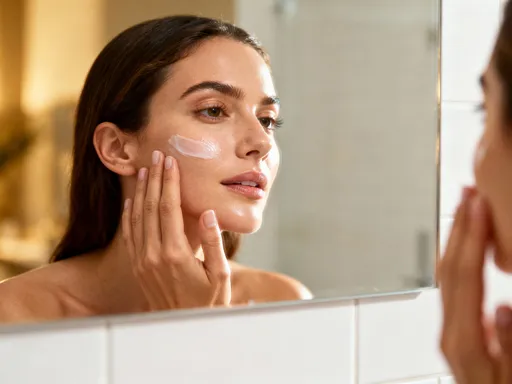
Skincare is more than a physical routine—it’s a form of mindfulness. In the quiet moments of washing your face or applying moisturizer, you create space for self-awareness and presence. For many women, especially those balancing work, family, and personal responsibilities, these small rituals offer a rare opportunity to pause and reconnect with themselves. This daily act of care sends a powerful message: I matter. I deserve attention. I am worth looking after.
This sense of self-respect translates into confidence. On days when energy is low or stress is high, having a simple routine that makes you feel put-together can make a meaningful difference. It’s not about achieving perfection in the mirror; it’s about feeling capable and grounded. When your skin feels comfortable and healthy, you’re less likely to focus on flaws and more able to engage fully in your day. This subtle shift can improve your mood, interactions, and overall outlook.
There’s also a ripple effect on other healthy habits. Women who prioritize skincare often find themselves drinking more water, sleeping earlier, or choosing nourishing foods—because they see how these choices affect their skin. Caring for your skin becomes a gateway to broader self-care. It encourages you to pay attention to how your body feels, not just how it looks. Over time, this awareness fosters better stress management, improved sleep quality, and a more balanced lifestyle.
Ultimately, skincare is not vanity. It’s an investment in well-being. It’s about showing up for yourself in a consistent, compassionate way. And that kind of care has value far beyond the surface.
Staying on Track: Realistic Tips for Long-Term Success
Maintaining a skincare routine over time requires more than motivation—it requires strategy. Life gets busy, and it’s easy to skip steps or abandon the routine altogether. To stay consistent, keep things simple and realistic. One helpful tool is a skincare journal. You don’t need anything elaborate—a notebook or digital note will do. Record the products you use, any reactions (like redness or breakouts), and how your skin feels each day. Also note external factors like sleep, stress, or diet. Over time, patterns will emerge, helping you understand what works best for your skin.
Learning to read labels can also reduce confusion. You don’t need to memorize every ingredient, but knowing a few red flags can help. For example, alcohol denat (denatured alcohol) can be drying and irritating, especially in high concentrations. Heavy fragrances, while pleasant, can trigger sensitivity in some people. If you have sensitive skin, look for products labeled “fragrance-free” rather than “unscented,” as the latter may still contain masking fragrances. Ingredients like ceramides, glycerin, and hyaluronic acid are generally beneficial and supportive of the skin barrier.
Your routine should also adjust with the seasons. In summer, you might prefer a lighter moisturizer and extra protection from sweat and humidity. In winter, colder air and indoor heating can dry out your skin, so switching to a richer cream and using a humidifier can help. Similarly, hormonal changes during different life stages—like perimenopause—can affect oil production and hydration needs. Being flexible and responsive ensures your routine stays effective year-round.
Finally, remember that progress, not perfection, is the goal. Occasional breakouts, dry patches, or flare-ups don’t mean you’ve failed. They’re normal parts of the journey. What matters is how you respond—with patience, kindness, and consistency. Celebrate small wins: a calmer complexion, fewer reactions, or simply sticking with your routine for a full month. These are signs of real progress.
Your Skin, Your Story
Great skin is not a destination; it’s a journey shaped by daily choices, self-awareness, and care. There is no one-size-fits-all solution, and that’s okay. What works for someone else may not work for you—and that’s perfectly normal. The most powerful tool you have is not a serum or a device, but your own commitment to showing up for yourself, day after day. Skincare is not about erasing imperfections; it’s about building resilience, confidence, and a deeper connection with your body.
Be patient. Be kind. Be consistent. The changes may be subtle at first, but over time, they add up. You’ll notice your skin feeling stronger, your routine becoming second nature, and your confidence growing. And perhaps most importantly, you’ll realize that taking care of your skin is one of the simplest, most meaningful ways to improve your daily life. No filters, no shortcuts—just real, lasting care. Your skin tells your story. Make it one of strength, care, and quiet pride.