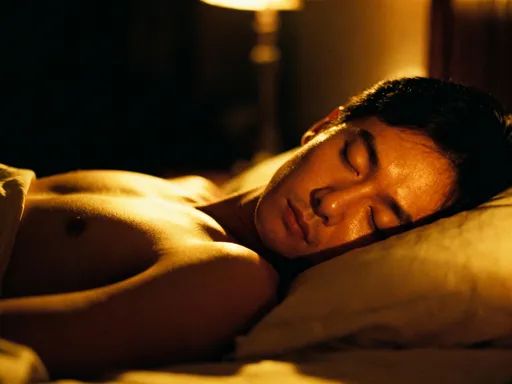
How I Finally Fixed My Sleep (And Why Exercise Was the Missing Piece)
Ever lie awake at 2 a.m., wondering why good sleep feels impossible? You’re not alone. Millions struggle with restless nights, even when they follow the usual advice. I tried everything—sleep trackers, herbal teas, screen curfews—until I discovered something unexpected: gentle movement during the day changed everything. It wasn’t intense workouts, but specific beginner-friendly exercises that quietly reset my body’s rhythm. This is how I found lasting, restful sleep without drastic changes.
The Sleep Struggle No One Talks About
For many women in their 30s, 40s, and 50s, sleep problems are a quiet burden carried through the day. You may go to bed at a reasonable hour, avoid caffeine after noon, and keep your bedroom cool and dark—yet still find yourself staring at the ceiling, mind racing with unfinished tasks or unresolved worries. This disconnect between effort and outcome can be deeply frustrating. You do everything you’re told, yet sleep remains elusive. It's not laziness or poor discipline; it's a mismatch between common advice and what the body truly needs.
The effects of poor sleep ripple through daily life in subtle but significant ways. You might feel more irritable with family members, less patient with children or coworkers, or struggle to focus during important conversations. Energy levels dip by mid-afternoon, leading to reliance on sugar or naps that disrupt nighttime rest even further. Over time, chronic sleep disruption has been linked to increased risk of weight gain, weakened immunity, and difficulty managing stress. Yet many accept this as a normal part of aging or busy life, not realizing that real improvement is possible without medication or extreme lifestyle overhauls.
What’s often missing from the conversation is the role of physical rhythm. The body thrives on predictable patterns—when to eat, when to move, when to rest. When movement is inconsistent or absent, the internal clock that governs sleep becomes less precise. Even small daily shifts, like walking in natural light or stretching before bed, can signal to the body that it’s time to wind down. For those who have tried every sleep hygiene tip without results, the missing piece may not be in the bedroom at all—it may be in how the body is used during the day.
Why Exercise Actually Helps Sleep (Science Made Simple)
At first glance, the idea that moving more leads to better rest might seem counterintuitive. After all, doesn’t exercise make you more alert? The truth is more nuanced. Physical activity supports sleep not by tiring you out, but by regulating key biological systems that influence when and how deeply you sleep. One of the most important mechanisms involves body temperature. When you engage in moderate movement, your core temperature rises slightly during the activity and then drops afterward. This post-exercise dip in temperature mimics the natural cooling that occurs in the evening as part of the sleep onset process, making it easier to fall asleep and stay asleep.
Another crucial factor is the regulation of stress hormones. Cortisol, often called the “stress hormone,” follows a natural daily rhythm—high in the morning to help you wake up, and low at night to allow for rest. However, chronic stress or irregular routines can disrupt this pattern, keeping cortisol elevated when it should be declining. Regular, gentle exercise helps normalize this rhythm by promoting a healthy cortisol curve. It doesn’t eliminate stress, but it improves the body’s ability to recover from it, reducing the likelihood of nighttime awakenings triggered by anxiety or racing thoughts.
The circadian rhythm—the body’s internal 24-hour clock—is also deeply influenced by movement, especially when paired with light exposure. Morning walks, for example, combine physical activity with natural sunlight, both of which reinforce the body’s sense of day and night. This dual signal strengthens the timing of melatonin release, the hormone responsible for sleepiness. Unlike artificial sleep aids, which force drowsiness, exercise supports the body’s natural sleep architecture, leading to more restorative deep sleep and fewer interruptions throughout the night.
The Wrong Way Beginners Approach Exercise for Sleep
Despite growing awareness of the exercise-sleep connection, many beginners fall into predictable traps that undermine their efforts. One of the most common mistakes is assuming that harder is better. Some women, eager for quick results, jump into intense workouts like high-intensity interval training or long runs, only to find their sleep worsens. Vigorous exercise, especially late in the day, can elevate heart rate and adrenaline levels too close to bedtime, making it harder to relax. The body interprets intense activity as a signal of alertness, not rest, which can delay sleep onset or cause fragmented sleep.
Another issue is inconsistency. A weekend of long walks followed by five days of inactivity does little to regulate the sleep-wake cycle. The body responds best to regular, predictable input. Sporadic exercise may offer temporary benefits, but it doesn’t create the stable physiological environment needed for sustained sleep improvement. Similarly, exercising too late in the evening—after 7 p.m.—can interfere with the natural wind-down process, even if the activity itself is gentle. Timing matters as much as type.
There’s also a tendency to overlook the importance of enjoyment and sustainability. If a routine feels like a chore, it’s unlikely to last. Many women abandon exercise because they choose activities they don’t enjoy or that don’t fit into their daily lives. The goal isn’t to become an athlete, but to incorporate movement that feels natural and supportive. This means starting small, choosing low-impact options, and focusing on how the body feels afterward—not just how many calories were burned. The right kind of exercise should leave you feeling energized during the day and ready to rest at night, not drained or sore.
The 3 Gentle Exercises That Actually Work
Not all movement is created equal when it comes to improving sleep. Three types of gentle exercise stand out for their ability to support relaxation, regulate the nervous system, and enhance sleep quality without strain: walking, light stretching, and breathing-based movement such as tai chi or gentle yoga. Each works in a slightly different way, but all share the ability to calm the body and mind in preparation for rest.
Walking, especially in the morning or early afternoon, is one of the most effective yet underused tools for better sleep. A 20- to 30-minute walk outdoors, particularly in natural light, helps synchronize the circadian rhythm. The combination of rhythmic motion and sunlight exposure signals to the brain that it’s daytime, which strengthens the contrast between wakefulness and sleep later on. Even on cloudy days, outdoor light is significantly brighter than indoor lighting and sufficient to support this effect. Walking doesn’t need to be fast or far—just consistent. A daily stroll after breakfast or lunch can set the tone for a more balanced day and a calmer night.
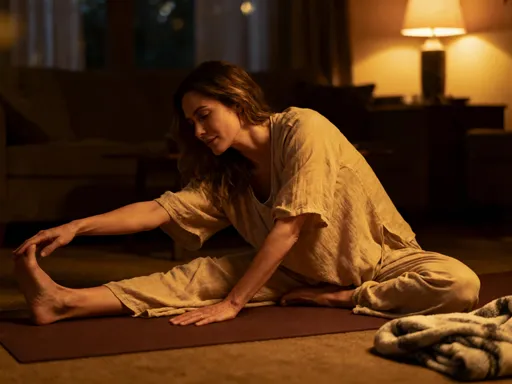
Light stretching, done either in the morning or evening, helps release physical tension that can accumulate from sitting, caregiving, or daily stress. Simple moves like shoulder rolls, neck stretches, or gentle forward bends can improve circulation and reduce muscle stiffness. When practiced before bed, stretching activates the parasympathetic nervous system—the “rest and digest” mode—which counteracts the stress response. A five- to ten-minute routine can be done on the floor or even in bed, making it accessible even on tired evenings. The key is to move slowly and breathe deeply, focusing on sensation rather than performance.
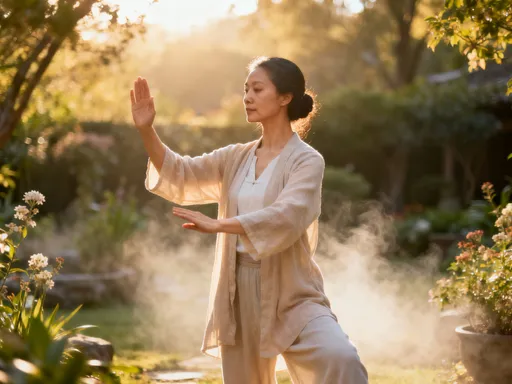
Finally, breathing-based movement practices like tai chi or gentle yoga offer a unique blend of physical activity and mental focus. These forms emphasize slow, controlled motions coordinated with breath, which helps quiet the mind and regulate the autonomic nervous system. Unlike fast-paced workouts, they don’t raise heart rate significantly but instead promote a state of relaxed alertness. Studies have shown that regular practice of these modalities can reduce insomnia symptoms and improve sleep efficiency. A 15-minute session in the evening—following an online video or using a guided app—can serve as a powerful wind-down ritual, replacing screen time with mindful movement.
Building a Realistic Routine: How to Start Small
One of the biggest barriers to success is the belief that exercise must be time-consuming or complicated. For women managing households, careers, or caregiving responsibilities, adding one more task can feel overwhelming. The solution is not to do more, but to integrate movement into existing routines in ways that require minimal planning or effort. The goal is consistency, not intensity.
A realistic weekly plan might include a 20-minute morning walk three times a week, five minutes of stretching upon waking and before bed, and a 10- to 15-minute tai chi or gentle yoga session on two evenings. These activities can be spread out and adjusted based on energy levels and schedule. For example, if a morning walk isn’t possible, a post-dinner stroll around the block can still provide benefits, as long as it’s completed at least two hours before bedtime to avoid overstimulation.
Habit stacking—pairing a new behavior with an existing one—can make adoption easier. After brushing your teeth in the morning, do three minutes of shoulder and neck stretches. After dinner, put on comfortable shoes and walk with a family member or listen to a podcast while moving. These small pairings reduce the mental load of remembering to exercise and make it a natural part of the day. Over time, these moments accumulate, creating a rhythm that supports both physical health and sleep quality.
It’s also important to let go of perfection. Missing a day doesn’t mean failure. The body responds to patterns, not single events. Even five minutes of movement counts. What matters is the overall trend—showing up regularly, without pressure to achieve a certain standard. This mindset shift—from achievement to maintenance—makes the practice sustainable and less stressful, which itself supports better sleep.
Beyond the Body: How Movement Calms the Mind
The benefits of gentle exercise extend far beyond physical regulation. One of the most profound impacts is on mental clarity and emotional resilience. Many women report that their sleep struggles are not due to physical discomfort, but to a mind that won’t stop thinking. Nighttime often becomes a stage for replaying conversations, worrying about the future, or reviewing the day’s shortcomings. This mental loop can be exhausting and deeply disruptive to sleep.
Regular movement helps break this cycle by providing a healthy outlet for nervous energy. The rhythmic nature of walking, stretching, or tai chi creates a meditative effect, similar to mindfulness practices. When you focus on the sensation of your feet hitting the ground, the stretch in your hamstrings, or the rise and fall of your breath, you anchor yourself in the present moment. This reduces rumination—the repetitive, unproductive thinking that often peaks at night. Over time, the brain begins to associate movement with mental calm, making it easier to transition into rest.
Additionally, consistent physical activity builds a sense of agency. When you take small, deliberate actions to care for your body, you reinforce the belief that you have some control over your well-being. This confidence extends to sleep. Instead of feeling helpless in the face of insomnia, you begin to see yourself as someone who can influence their rest through daily choices. This shift in self-perception is powerful. It replaces anxiety with empowerment, and helplessness with hope.
Moreover, movement can serve as a form of non-verbal self-care. In the quiet of a morning stretch or the solitude of an evening walk, you create space to reconnect with yourself. This is especially valuable for women who spend much of their time meeting the needs of others. These moments of gentle activity are not just about improving sleep—they are about honoring your own presence and worth.
Putting It All Together: A Sustainable Path to Better Rest
Improving sleep through gentle exercise is not about dramatic transformations or overnight results. It’s about creating a supportive daily rhythm that aligns with the body’s natural design. The connection between movement and rest is not new, but it is often overlooked in favor of quick fixes like supplements or sleep trackers. What sets this approach apart is its sustainability. Walking, stretching, and mindful movement are accessible, low-cost, and adaptable to nearly any lifestyle.
Progress may be gradual. Some women notice better sleep within a week of starting a walking routine, while others see changes over several weeks. Individual responses vary, and that’s okay. The key is to focus on consistency, not speed. Each small act of movement is a vote for better rest, and over time, those votes add up.
It’s also important to practice self-compassion. There will be days when energy is low, schedules are full, or motivation is missing. On those days, doing less is still doing something. A two-minute stretch or a short walk around the house maintains the habit and keeps the rhythm alive. This flexibility prevents burnout and makes the practice more resilient in the long run.
Finally, while gentle exercise can significantly improve sleep for many, it is not a substitute for medical care. Women experiencing chronic insomnia, sleep apnea, or other sleep disorders should consult a healthcare provider. This approach works best as part of a broader strategy that includes good sleep hygiene, stress management, and professional guidance when needed. The goal is not perfection, but progress—a series of small, intentional choices that lead to deeper, more restful nights. Better sleep isn’t found in a single solution, but in the quiet, consistent practice of caring for yourself, one gentle step at a time.